Introduction
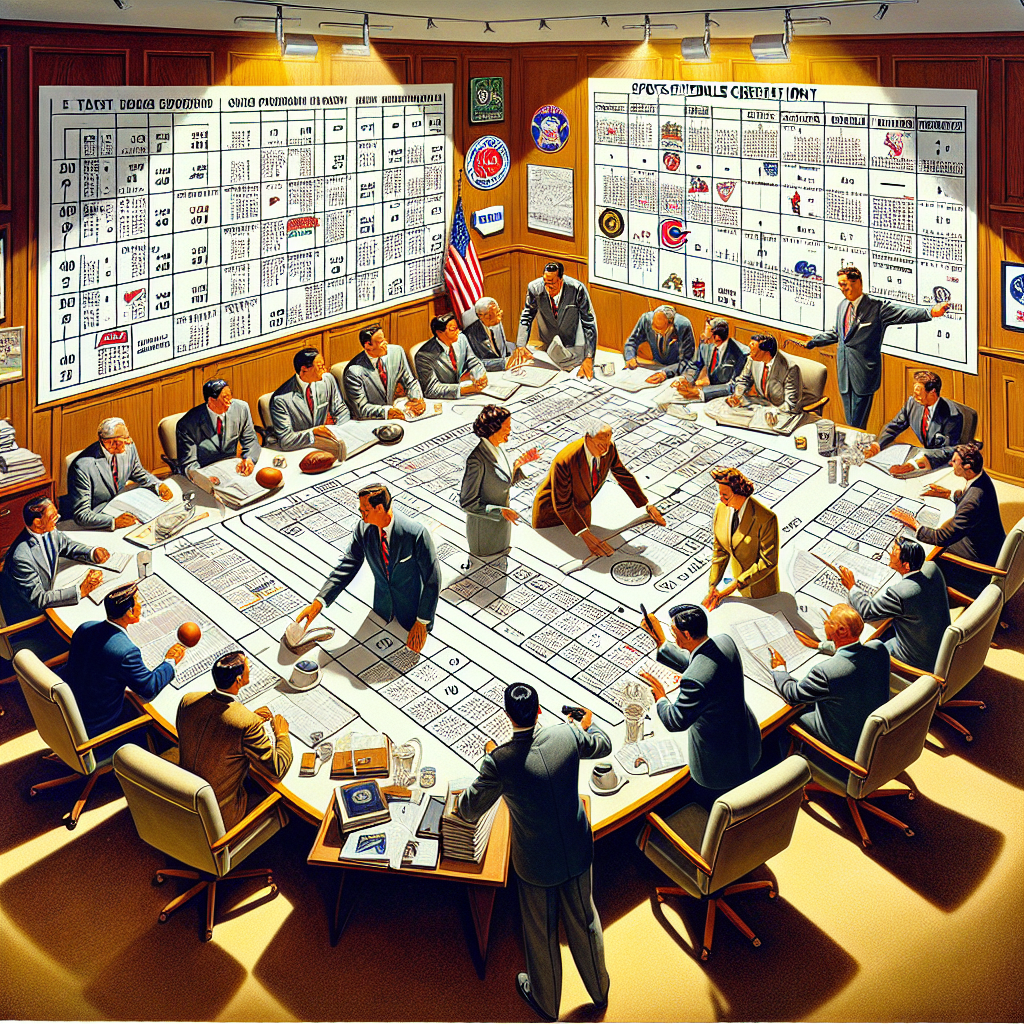
Sports schedules are much more than just dates and times; they are a complex web of considerations that encapsulate the competitive spirit of athletes, the logistical requirements of venues, the preferences of fans, and even the intricate dance of negotiations between teams and leagues. In this article, we will explore the behind-the-scenes processes involved in creating sports schedules in 2025, shedding light on various critical factors that go into this seemingly straightforward task. Understanding the intricacies of sports scheduling not only enriches our appreciation of the games but also highlights the often-overlooked efforts of many individuals and organizations.
The Complexity of Sports Scheduling
Creating sports schedules involves a multifaceted set of challenges that range from timing conflicts to venue logistics. In 2025, as sports leagues evolve to accommodate increased media coverage, live streaming options, and changing audience preferences, these complexities have become even more pronounced. Each league—whether it’s the NFL, NBA, MLB, or NHL—must contend with its unique set of variables, including the number of teams, the length of each season, and the playoff formats. This mathematical endeavor is compounded by external factors like holidays, weather conditions, and the availability of players, especially during instances of injuries or international competitions.
Additionally, teams often have their own restrictions that can interfere with scheduling. For example, clubs may request to schedule games on specific days due to local events or community engagement activities. Furthermore, there are logistical repercussions to consider; certain venues may not be available for specific dates due to other events or maintenance issues. All these components must be balanced to create a schedule that is fair, competitive, and enjoyable for fans and players alike.
Considerations for Optimal Scheduling
The creation of a sports schedule in 2025 goes beyond just lining up games on a calendar. One of the key considerations is the travel burden on teams. The geographical distribution of teams in a league can significantly affect how efficiently they can conduct their business. For instance, a team located on the West Coast may have to travel vast distances to play against opponents stationed on the East Coast. To minimize fatigue and maximize performance, leagues often work to create travel clusters, grouping games so that teams can play multiple games within a region before hopping across the country.
Moreover, media rights deals play a critical role in shaping sports schedules. In an era of intense competition for viewership, leagues engage in strategic planning to accommodate television schedules. This means prioritizing matchups that are likely to attract larger audiences. Events like classic rivalries or playoff rematches may be given prime slots during high-visibility days, such as weekends or holidays. Teams and league officials must collaborate closely with broadcast partners to ensure that schedules align with planned air times, enhancing the overall viewing experience for fans at home.
Technology and Data Analysis in Scheduling
As we advance into 2025, technology continues to revolutionize the way sports schedules are created. Leagues increasingly employ advanced data analytics and scheduling software to streamline this complex process. These technologies analyze historical data, including win-loss records and player performance metrics, to help inform scheduling decisions. By factoring in these analytics, leagues can enhance competitive balance and ensure that teams are matched up against opponents that make for intriguing contests, thereby driving fan engagement.
In addition to data analysis, the rise of artificial intelligence (AI) has transformed sports scheduling. AI algorithms can process millions of different permutations, considering factors such as venue availability, travel constraints, and broadcasting requirements in mere seconds. This significantly reduces the time it takes to create a schedule and minimizes the chances of human error. Moreover, AI can simulate various scheduling scenarios, making it easier for decision-makers to visualize potential outcomes and choose the most favorable schedule for all stakeholders involved.
Moreover, the development of mobile applications and digital platforms enables fans to stay informed about upcoming matches. Features like notifications and alerts for changes in the schedule enhance the user experience, reminding fans to tune in for their favorite teams. This level of tech integration into schedule creation and dissemination is not just about making life easier for organizers; it also elevates the fan experience and builds a more engaged audience.
Impact of Global Events on Scheduling
Another significant layer in creating sports schedules in 2025 is the growing impact of global events. As we continue to navigate the complexities of a post-pandemic world, leagues must contend with international competition schedules, including the Olympics and World Championships, which can influence the availability of players and venues. Teams now often find themselves navigating the dual commitments of domestic leagues and international duties, complicating the intricacies of scheduling.
Moreover, global events also extend to economic considerations. The 2025 sports landscape has seen a rise in sponsorship and advertising opportunities tied to international markets. Sports leagues are now more than ever aware of the potential impact of their scheduling on broader global viewership. For instance, a game scheduled during a high-visibility global sporting event may risk drawing fewer viewers, thus affecting TV ratings and revenues. Thus, leagues are working to optimize the visibility of their games in a world where sports are more interconnected than ever before.
In addition, climate change has ushered in new considerations regarding scheduling, particularly for outdoor sports like soccer and baseball. Inclement weather can disrupt plans, meaning leagues have to account for potential postponements in their scheduling. Weather forecasting technologies have improved, allowing leagues to make better-informed decisions, but the unpredictability of climate conditions still adds a layer of complexity that must be managed effectively.
Fan Engagement and Feedback in Scheduling
In recent years, especially in 2025, the power of fan engagement in the scheduling process has become increasingly apparent. With the advent of social media and dedicated fan forums, leagues now have direct channels through which they can gauge public sentiment regarding game timings and matchups. This has allowed organizations to be more responsive to fan preferences, ensuring they prioritize fan experience alongside logistical and competitive considerations.
Furthermore, fan engagement doesn’t just stop at gathering preferences; it extends into organizing events and promotions that coincide with particular games. Games are often scheduled on dates and times that align with holidays, allowing teams to capitalize on larger crowds. Special events, such as theme nights or celebrity appearances, are intricately planned with the schedule in mind, creating an overall experience that resonates with attendees. Understanding the desires and behaviors of fans empowers leagues to curate a more engaging and exciting atmosphere during matches.
Additionally, leagues take into account regional factors, ensuring that games build excitement around local rivalries or significant milestones. This keen attention to fan sentiment helps solidify the relationship between teams and their supporters, fostering loyalty and boosting attendance. Ultimately, by integrating fan feedback into the scheduling process, organizations can enhance their branding and increase overall revenue, making it a vital consideration in the creation of sports schedules.
Conclusion
Creating sports schedules in 2025 is a unique blend of art and science, requiring attention to detail, critical thinking, and a deep understanding of the intricate interactions between multiple stakeholders. With technology reshaping the landscape, data and AI play pivotal roles in how scheduling decisions are made, while factors such as travel logistics, media obligations, fan engagement, and global events add layers of complexity. Most importantly, it is the combined efforts of many dedicated individuals that bring to fruition the schedules we all follow, allowing fans to connect with their favorite teams in a meaningful way. Understanding the nuances behind sports scheduling allows us to appreciate the games we love even more.
FAQs
What is the main challenge in creating sports schedules?
The main challenge lies in balancing multiple factors such as venue availability, team travel requirements, and media broadcasting needs, all while ensuring competitive integrity and fan engagement.
How has technology changed sports scheduling?
Technology, including advanced data analytics and artificial intelligence, has streamlined the scheduling process by analyzing complex factors quickly and providing optimal scheduling scenarios, minimizing human error and decision-making time.
What impact do global events have on sports scheduling?
Global events can impact player availability, viewership, and sponsorship opportunities, forcing leagues to consider international competitions alongside domestic scheduling to maintain interest and revenue.
How do fan preferences affect sports schedules?
Leagues actively seek fan feedback through social media and engagement platforms to ensure that game timings align with fan interests, ultimately enhancing attendance and loyalty.
What role does data analysis play in scheduling?
Data analysis helps leagues assess historical performance metrics, competitive balance, and travel logistics to create schedules that optimize matchups and fan engagement.