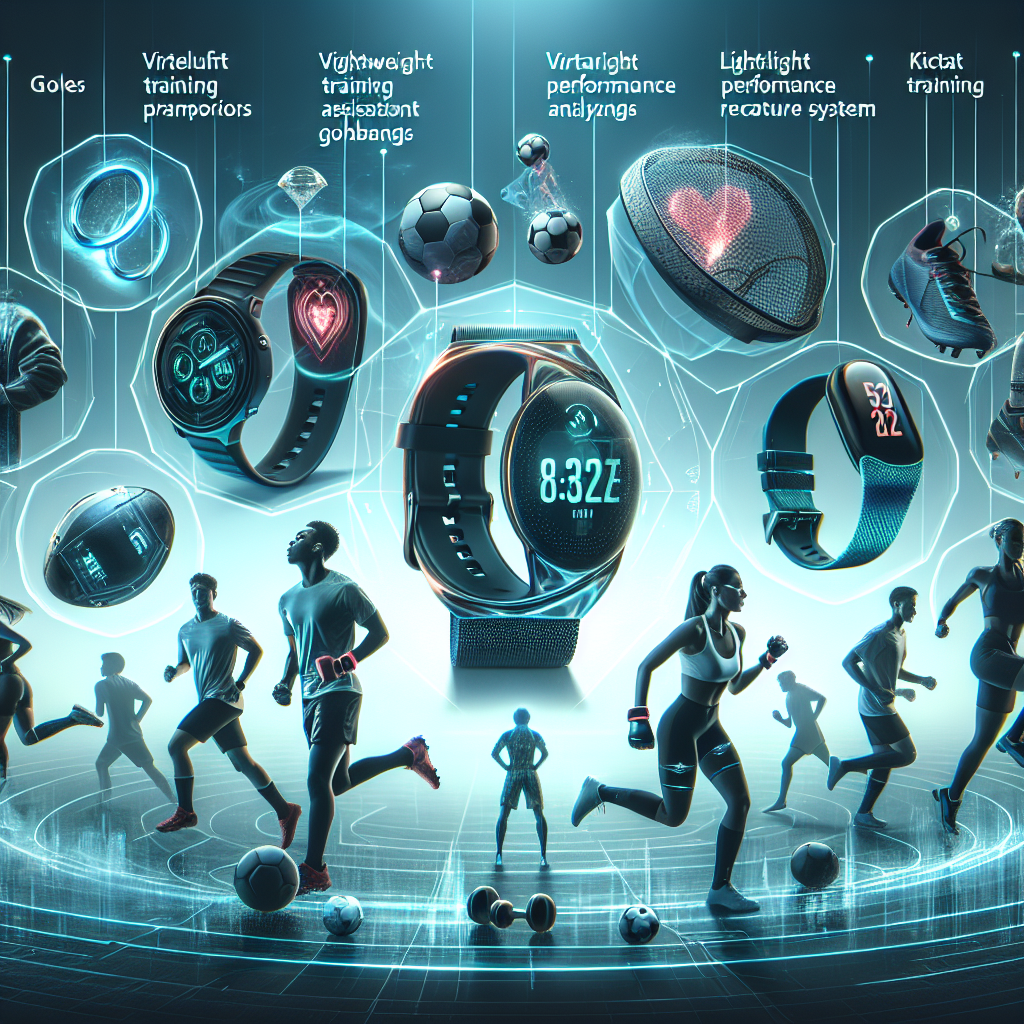
The realm of sports is experiencing a transformation driven by the rapid advancement of technology, particularly wearable technology. In 2025, the potential of wearable devices continues to redefine how athletes train, compete, and recover. With the integration of artificial intelligence, biometrics, and real-time analytics, the future of wearable technology in sports can lead to enhanced performance, injury prevention, and personalized training regimens. This article delves into the evolving landscape of wearable technology in sports, exploring its implications for athletes, coaches, and sports organizations.
Innovations in Wearable Technology for Athletes
As we venture deeper into 2025, wearable technology has evolved well beyond traditional fitness trackers. Modern devices now incorporate sophisticated sensors capable of measuring an array of metrics, such as heart rate, oxygen saturation, muscle strain, and even hydration levels. These innovations are not only focused on fitness enthusiasts but are increasingly adopted by elite athletes across various sports. For instance, smart clothing embedded with textile sensors can collect data on biomechanics, providing insights on form, posture, and fatigue. This real-time data allows athletes to make immediate adjustments during practice or competition, facilitating a higher level of performance.
Moreover, the integration of artificial intelligence is taking wearables to a new level. AI algorithms analyze massive amounts of data collected from various sensors to identify patterns and predict potential injuries. By understanding an athlete’s unique physiological responses, coaches can tailor training programs that maximize effectiveness while minimizing the risk of injury. In 2025, we see a growing trend where wearable technology encompasses a holistic approach to athlete well-being, integrating physical performance metrics with mental conditioning and recovery strategies.
The Role of Data Analytics in Sports Performance
Data analytics powered by wearable technology is transforming the sports landscape. In 2025, teams around the world are leveraging sophisticated analytics platforms to gather and interpret data captured by wearables. This allows for a deeper understanding of athlete performance, both in training and competitive environments. Coaches can now access detailed reports analyzing each athlete’s metrics over time, which aids in making informed decisions about training loads, recovery times, and nutritional needs.
Furthermore, the introduction of cloud computing has revolutionized how data is stored and accessed. With the ability to analyze performance data from multiple athletes simultaneously, coaches can spot trends and derive insights that inform team strategy and individual athlete development. In team sports, this means developing tactical approaches that leverage the distinct strengths and weaknesses of individual players. The impact of data analytics extends beyond individual performance; it is transforming game strategies, enhancing team dynamics, and influencing recruitment decisions.
Wearable Technology and Injury Prevention
One of the most significant advancements in wearable technology is its potential in injury prevention. As the technology continues to evolve in 2025, wearables are increasingly capable of predicting injury risks by continuously monitoring an athlete’s biomechanics and physiological indicators. Devices equipped with accelerometers and gyroscopes can precisely track movements and identify risky patterns that lead to injuries. This proactive approach allows coaching staff to intervene before a small issue develops into a significant problem.
Additionally, the latest research in wearable technology emphasizes the importance of recovery metrics. Wearables now measure factors like sleep quality, heart rate variability, and muscle fatigue levels, providing a comprehensive view of an athlete’s recovery process. This data helps coaches design appropriate rest schedules and rehabilitation programs tailored to their athlete’s needs, ultimately enhancing long-term health and performance. As we look ahead, the collaboration between technology developers and sports science specialists will likely lead to even more advanced injury management solutions.
The Impact of Wearable Technology on Coaching
In 2025, coaching dynamics have shifted dramatically due to the integration of wearable technology. Coaches now rely on real-time data to make nuanced decisions during training sessions and matches. Wearable devices equipped with GPS tracking allow coaches to monitor an athlete’s movement patterns, endurance levels, and overall performance while they train or compete. This instant feedback loop fosters a more adaptive coaching environment where strategies can be modified on the fly based on athlete performance data.
Moreover, the insights generated from wearables enable coaches to foster more personalized athlete development. Each athlete’s unique performance data allows coaches to tailor training programs that align with individual strengths and weaknesses. By utilizing advanced reporting features, coaches can also facilitate transparent communication with athletes, guiding them through their development journey with clear, data-driven goals. This shift toward a data-centric coaching methodology is essential for cultivating a competitive edge in the evolving world of sports.
The Future of Wearable Technology in Team Sports
Looking ahead, team sports will undoubtedly benefit from ongoing advancements in wearable technology. In 2025, it’s anticipated that more teams will adopt wearable systems that not only track individual player metrics but also analyze team performance collectively. Such systems can provide insights into team dynamics, identifying which players synergize best during gameplay. For example, analytics can reveal how certain lineup combinations affect overall team performance, allowing coaches to experiment with strategies based on empirical evidence.
Furthermore, the social aspect of wearable technology cannot be overlooked. The integration of community features within wearables fosters team solidarity and accountability, as athletes can share performance metrics and set collective goals. This social connectivity can enhance motivation and create an engaging training environment, ultimately translating into improved on-field performance.
As we progress into the future, expect to see a rise in wearable technologies that incorporate gamification elements. This would encourage athletes and teams to compete against each other while tracking their collective performance, thereby enhancing teamwork and camaraderie.
Challenges and Ethical Considerations in Wearable Technology
Despite the numerous advantages of wearable technology in sports, certain challenges must be addressed as we navigate 2025. One major concern lies in data privacy and security. As wearable devices collect vast amounts of personal data, including biometric information, there is an increasing risk of data breaches that could expose sensitive information. Sports organizations must prioritize cybersecurity to protect athlete data and ensure that proper consent protocols are established for data usage.
Moreover, the reliance on data-driven insights underscores a potential overemphasis on metrics at the expense of the human element in sports. While data can provide invaluable guidance for performance and decision-making, it cannot account for factors such as an athlete’s passion, intuition, and emotional resilience. Coaches and tech developers must collaborate to strike a balance between data-driven insights and the innate qualities that define elite athletes.
In addition, the accessibility of wearable technology can create disparities among athletes. While some have access to the latest devices and analytics, others may not, leading to an uneven playing field. As such, it is important for sports communities and organizations to work towards making these technologies more accessible to all athletes, regardless of their financial backing.
### Conclusion
The future of wearable technology in sports is promising, with innovations continuing to shape how athletes train, recover, and perform. In 2025, the integration of advanced analytics, AI-driven insights, and injury prevention strategies highlights the transformative power of wearables. As coaches leverage real-time data to create tailored training regimens, and as teams utilize collective insights for strategic advantages, the synergy between sports and technology will only increase.
While challenges exist—particularly around data security and the ethical implications of athlete monitoring—addressing these concerns will pave the way for further advancements in the field. The focus must remain on harnessing technology to enhance the human experience in sports, resulting in not only superior athletic performance but also richer and more fulfilling experiences for athletes and coaches alike.
### FAQs
What are wearable technologies in sports?
Wearable technologies in sports refer to electronic devices or clothing items embedded with sensors that track various health metrics, athletic performance, and physiological data. Examples include fitness trackers, smartwatches, and smart clothing.
How do wearables improve athlete performance?
Wearables improve athlete performance by providing real-time data on vital metrics like heart rate, speed, distance traveled, and muscle strain. This information allows athletes and coaches to make informed decisions on training adjustments and recovery strategies.
What are the risks associated with wearable technology in sports?
The primary risks include data privacy concerns, potential over-reliance on data at the expense of the athlete’s intuition and passion, and disparities in access to technology among athletes. Addressing these issues is crucial for the ethical advancement of wearable technology in sports.