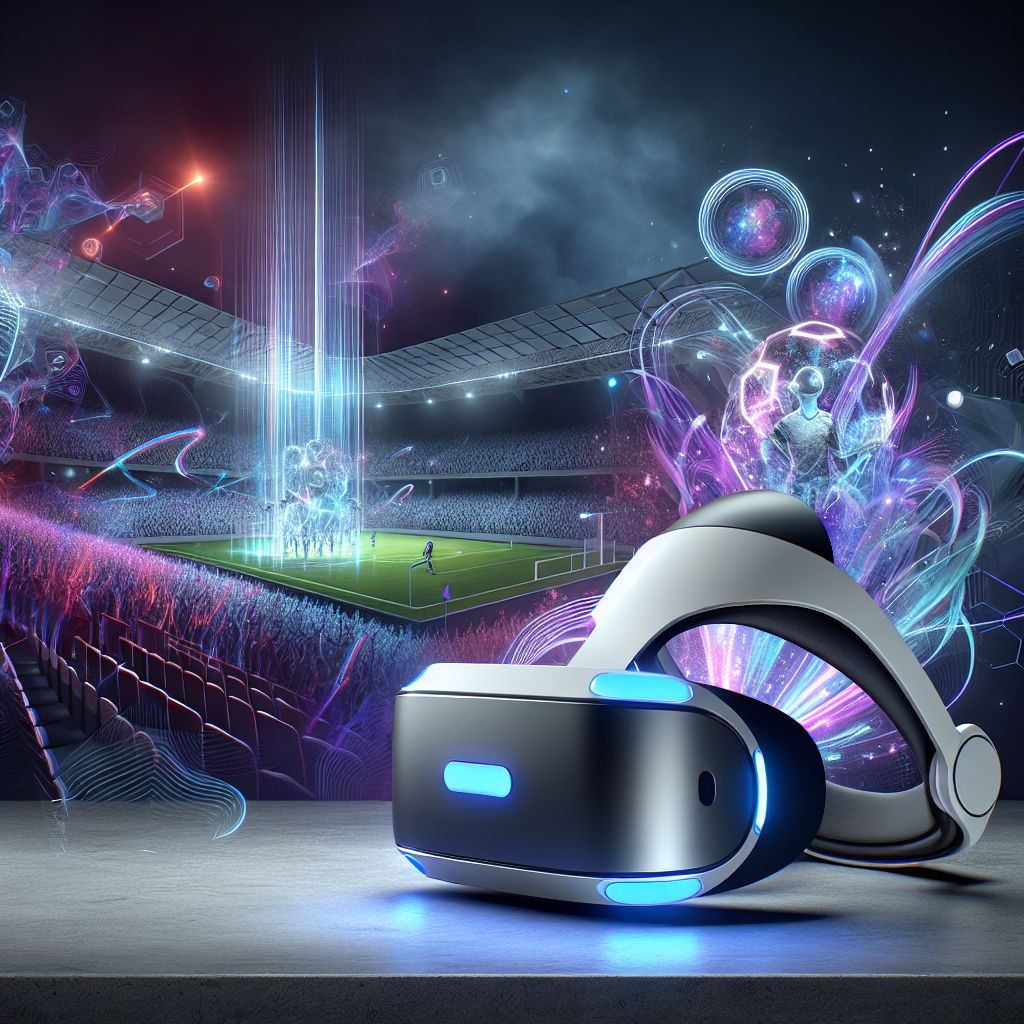
Virtual reality (VR) has taken the world by storm, revolutionizing how we experience various forms of entertainment—from gaming to films and live events. As of 2025, sports organizations are leveraging VR technology to enhance the fan experience significantly. By offering innovative solutions that bridge the gap between physical presence and virtual engagement, teams are creating immersive environments that engage fans like never before. This article delves into how virtual reality is transforming the fan experience, highlighting its benefits, recent advancements, and future implications.
Shaping Immersive Game-Day Experiences
The game-day atmosphere is paramount in sports culture, but it can often be a challenge to recreate that buzz for fans not physically present at the stadium. VR technology is making significant strides to overcome this barrier. By placing fans inside a simulated arena, organizations can offer a front-row seat to the action, allowing them to virtually interact with fellow fans and experience the excitement of a live game from the comfort of their own homes. Imagine being able to watch your favorite team play while sitting in a virtual seat next to friends who live thousands of miles away—this is no longer a distant dream but a reality in 2025.
Additionally, teams and sports organizations are utilizing VR to enhance the pre-game rituals and in-game engagement. For example, virtual meet-and-greets with players, behind-the-scenes access, and interactive VR experiences that highlight the teams’ histories and achievements can captivate fans. Such enhancements keep the excitement alive, creating a more enriched and memorable experience. This approach not only draws more fans into the fold but also boosts overall engagement with the team brand.
Event Accessibility through Virtual Reality
One of the most significant advantages of VR technology is its ability to democratize access to live events. With advanced VR headsets and streaming capabilities, fans who may otherwise be unable to attend due to distance, health constraints, or financial limitations can access events in ways that were previously unimaginable. This capability opens the door for inclusivity, allowing fans from all walks of life to enjoy sports experiences from anywhere.
Furthermore, VR gives teams and organizers a means to create special content tailored for different audiences. For instance, enhancements like VR tour experiences allow fans to delve into the team’s heritage and players’ journeys, fostering a deeper connection, even if they are geographically removed from the action. This expansion of accessibility resonates particularly well in an era where global fanships are commonplace, effectively transforming how teams engage with worldwide fanbases.
Enhancing Non-Game Day Experiences with Virtual Reality
Virtual reality is not just limited to game day; it has created exciting opportunities for fan engagement during the off-season. Teams are designing unique virtual experiences, such as interactive training sessions, skill challenges, and gamified learning modules that keep fans connected. For instance, a basketball franchise might offer a VR experience simulating shooting drills with star players leading the exercises, creating a fun and engaging way for fans to learn about the sport.
Additionally, behind-the-scenes virtual tours allow fans to explore stadiums and facilities that were once exclusive to players and staff. These experiences offer rich storytelling and engaging narratives that provide fans an insider’s view of what it takes to run their favorite sports franchise. Elements such as interactive kiosks using VR can personalize the experience further by allowing fans to engage in activities or challenges specific to their teams’ history, enhancing their connection and loyalty to the franchise.
Moreover, VR-hosted events such as live Q&A sessions, coaching clinics, or listen-ins on team strategy meetings ignite interest among fans and create more profound engagement. Such platforms help bridge the gap between fans and the sport they love, making the off-season as thrilling as the regular season.
The Future of Virtual Reality in Sports
The future of virtual reality in sports looks remarkably promising as technology continues to evolve. Innovations in VR hardware, including lighter, more comfortable headsets, and improvements in haptic feedback devices will enhance immersion levels. As these technologies become more affordable and accessible, we will likely see a dramatic increase in their adoption, making it commonplace for sports franchises to offer virtual experiences that rival physical attendance at games.
In the coming years, artificial intelligence (AI) integrated with VR technology could personalize the fan experience even further. AI can analyze user data and preferences to curate unique sporting experiences tailored to an individual’s likes and engagement history. Whether a fan prefers behind-the-scenes footage, player interactions, or in-depth analytics, AI can transform their virtual reality journey into something uniquely theirs.
Finally, the integration of social media within VR platforms will foster communal experiences, allowing fans to connect and share moments in virtual environments. As digital interaction becomes increasingly intertwined with physical events, the ability for fans to engage in these simultaneous experiences will redefine sports fandom as we know it, ensuring an active and engaged community long after the final whistle blows.
Adopting Virtual Reality in Fan Engagement Strategies
For sports organizations looking to implement VR technology, the key lies in integrating it with existing fan engagement strategies. It’s essential to create a seamless experience between traditional engagement methods and VR. The first step involves educating fans about the benefits of VR experiences to drive interest and participation. Creating previews and teasers can help generate excitement and set clear expectations for what fans can anticipate.
Secondly, collaboration with tech companies specializing in VR solutions can enhance the quality and richness of virtual offerings. Integrating high-quality graphics, user-friendly interfaces, and interactive elements will significantly improve overall user experiences. Additionally, testing these technologies during pre-season events or community outreach programs can help teams gather feedback, enabling them to refine their offerings based on fan preferences.
Finally, ongoing promotions and partnerships with brands willing to invest in the VR creation process can further enhance the fan experience. Sponsorships and collaborations can lead to unique content creation opportunities, including interactive advertisements or fan challenges, that maintain momentum and sustained interest.
Conclusion
As we progress through 2025, it is undeniable that virtual reality is revolutionizing fan experiences in sports. From enhancing game-day atmospheres and accessibility to creating engaging off-season content, VR technologies are reshaping how fans interact with their favorite teams. As technology continues to advance, the future holds even more opportunities for increased personalization and community engagement through VR platforms. This evolution not only caters to traditional fans but also attracts a new generation of sports enthusiasts, ensuring that the spirit of the game is alive and well in a digitally connected world.
FAQs
What is virtual reality in sports?
Virtual reality in sports refers to immersive experiences that use technology to simulate real-life sporting events or interactions, allowing fans to engage with their favorite teams and players in novel ways.
How does VR enhance the fan experience?
VR enhances the fan experience by providing immersive, interactive environments for fans to enjoy live games, engage with content, and explore team histories, creating deeper connections with their favorite franchises.
Is VR accessibility improving for sports fans?
Yes, advancements in VR technology are making it more accessible for sports fans worldwide. Increased affordability, combined with enhanced streaming capabilities, allows fans from various backgrounds to enjoy immersive experiences.
What is the future of VR in sports fan engagement?
The future of VR in sports fan engagement is promising, with innovations in hardware, AI, and social media integration paving the way for personalized, interactive experiences that redefine how fans connect with their favorite sports and teams.
Are there specific sports leading the way in using VR technology?
Yes, several sports, particularly football, basketball, and esports, are leading the way in utilizing VR technology to enhance fan engagement, offering unique experiences that are tailored to their audiences.