
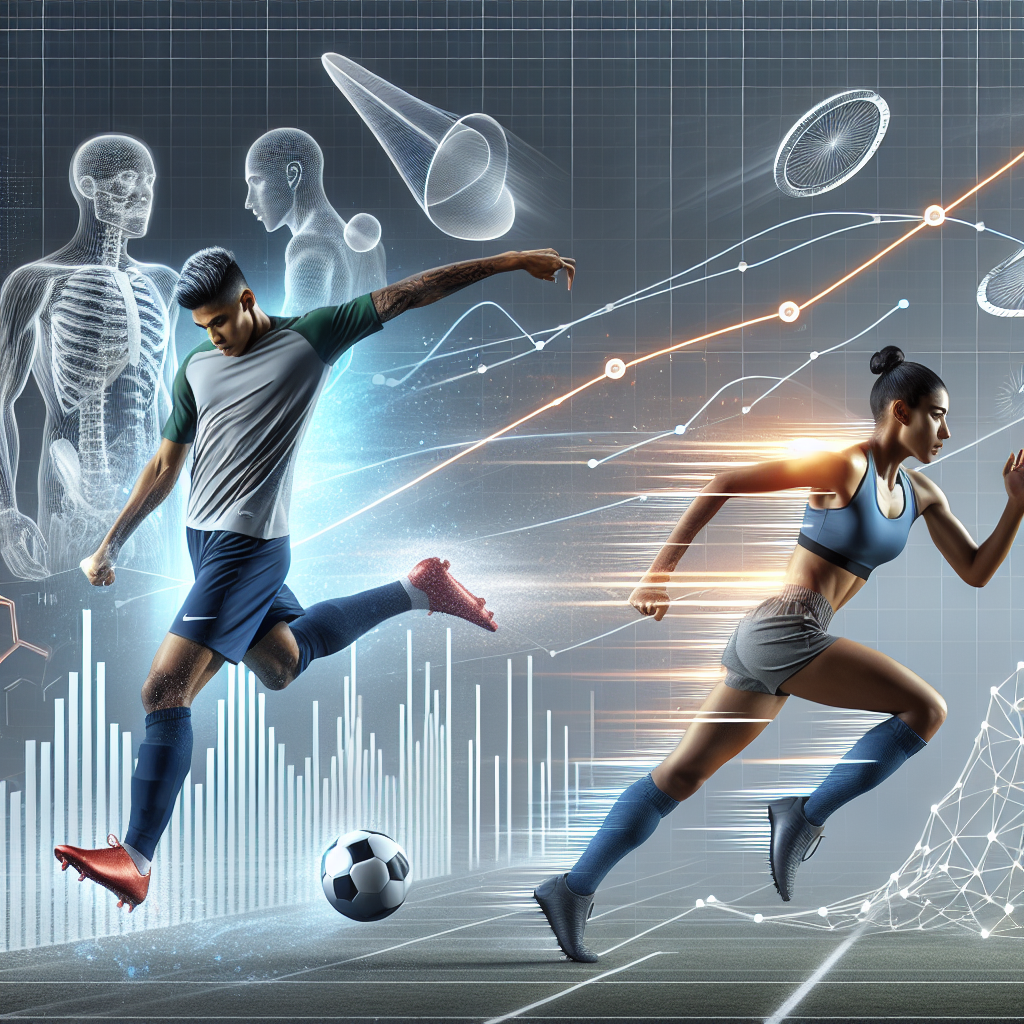
Understanding biomechanics is crucial for athletes aiming to enhance their efficiency and performance in various sports. By examining the mechanical principles that govern human movement, athletes can optimize their training regimens, improve their techniques, and minimize the risk of injury. This comprehensive guide will take you through the essential elements of biomechanics in the context of athletic efficiency and provide actionable insights to elevate your performance.
What is Biomechanics? The Science Behind Movement
:
Biomechanics is the study of the mechanical laws relating to the movement or structure of living organisms. It blends principles from physics, engineering, and biology to analyze the mechanical aspects of human movement. By understanding these principles, athletes can dissect their performance, focusing on how to utilize their bodies more effectively during competition or training.
At its core, biomechanics examines forces that act on the body and the body’s response to these forces. For instance, during running, biomechanics explores how gravity, ground reaction forces, and muscle tension interact. By applying these concepts, athletes can refine their technique to improve speed, efficiency, and power while minimizing energy expenditure. With advancements in technology, such as motion capture systems and wearable sensors, the study of biomechanics has become increasingly intricate, allowing for real-time feedback and performance analysis.
The Role of Biomechanics in Athletic Training
:
Incorporating biomechanics into athletic training presents numerous benefits, chief among them being enhanced performance through improved technique. By employing biomechanical evaluations, athletes can identify inefficient movement patterns or muscle imbalances that may hinder performance. Specifically, coaches and trainers can use sophisticated motion analysis technology to quantify an athlete’s movement mechanics, highlighting areas requiring adjustment.
Moreover, understanding biomechanics allows for tailored training programs. For instance, a sprinter might focus on optimizing their knee drive and arm swing to reduce drag and maximize acceleration. Conversely, a long-distance runner may emphasize a more energy-efficient gait to maintain speed and endurance over extended periods. Effective application of biomechanics ensures that training is not only specific to each athlete’s needs but also adaptable to changes in their performance or health status.
How Biomechanics Enhances Injury Prevention
:
In the world of athletics, injury prevention is paramount for maintaining consistent performance. Biomechanics plays an instrumental role in safeguarding athletes from the physical setbacks that can arise from improper movement patterns or overexertion. Analyzing the forces involved in various athletic activities allows for the identification of high-risk movement behaviors that could lead to injury. For instance, a biomechanical review of a football player’s tackling motion could reveal potential areas of excessive stress, leading to knee or shoulder injuries.
Additionally, with precise biomechanical assessments, athletes can develop improved strength and conditioning programs that focus on muscle groups most susceptible to injury. This knowledge enables them to fortify their bodies against common sports-related ailments such as strains, sprains, and tears. Essentially, by understanding the delicate interplay between forces and movement, athletes can proactively adapt their techniques, thus fostering long-term health and performance.
Techniques and Technologies Used in Biomechanics
:
The advancements in technology have revolutionized the field of biomechanics, providing athletes and coaches with sophisticated tools to analyze performance. Motion capture systems, which use a series of cameras aimed at interchangeable reflective markers on the athlete’s body, enable in-depth biomechanical analysis of movement patterns. This technology creates a three-dimensional model of an athlete in motion, allowing for observed dynamics such as joint angles, speed of movement, and any deviations from optimal performance.
Force plates are another critical tool, measuring ground reaction forces during various movements. By analyzing these forces, trainers can gain insight into aspects such as propulsion and stabilization during activities like jumping or sprinting. Wearable technology, such as accelerometers and gyroscopes integrated into smartwatches and fitness trackers, further aids in gathering real-time data on biomechanics during practice or competitions. These insights empower athletes to make data-informed decisions about their techniques and training regimes, ultimately fine-tuning their performance.
The Future of Biomechanics in Athletic Performance
:
Looking ahead, biomechanics is poised to evolve further, integrating with artificial intelligence and machine learning to enhance athletic training and performance. These technologies can process large datasets to reveal patterns and insights that may be missed by the human eye. This predictive capability could lead to personalized training plans that adapt in real-time as an athlete progresses, ensuring optimized performance and reduced risk of injury.
Moreover, advancements in virtual and augmented reality are set to transform coaching methodologies. Athletes can engage in simulated environments where they can practice skills, techniques, and strategies based on biomechanical feedback before applying them in real-life scenarios. By creating immersive learning experiences, the integration of these technologies can accelerate skill acquisition and decision-making abilities in high-pressure situations.
Lastly, as biomechanics research taps into areas like nutrition, recovery, and mental resilience, the multidisciplinary approach could redefine performance standards in sports. By understanding how nutrition and psychological factors influence biomechanics, a more holistic approach to training can be developed. This comprehensive method not only nurtures physical prowess but also supports mental health, resulting in sustainable athletic success.
Conclusion:
Understanding biomechanics is essential for athletes seeking to enhance their performance and efficiency. By dissecting the principles of movement and applying advanced technologies, athletes can refine their techniques, prevent injuries, and ultimately unlock their full potential. As we move toward an increasingly data-driven world, the intersection of biomechanics and technology will offer unprecedented opportunities for optimizing athletic performance.
FAQs:
What is the primary focus of biomechanics in sports?
Biomechanics in sports primarily focuses on analyzing human movement to improve performance efficiency and prevent injuries. By examining how forces affect motion, athletes can refine their techniques for better results.
How does biomechanics contribute to injury prevention?
Biomechanics helps identify movement patterns that may lead to injury, allowing athletes to adjust their techniques and conditioning programs accordingly, thereby enhancing their resilience against common sports injuries.
What advancements are expected in biomechanics technology for athletes?
Future advancements in biomechanics will likely involve the integration of AI and machine learning, real-time data analytics, and immersive technologies like virtual reality to enhance training programs and performance insights.