How the NBA is Addressing Player Safety Amid Growing Concerns
Introduction
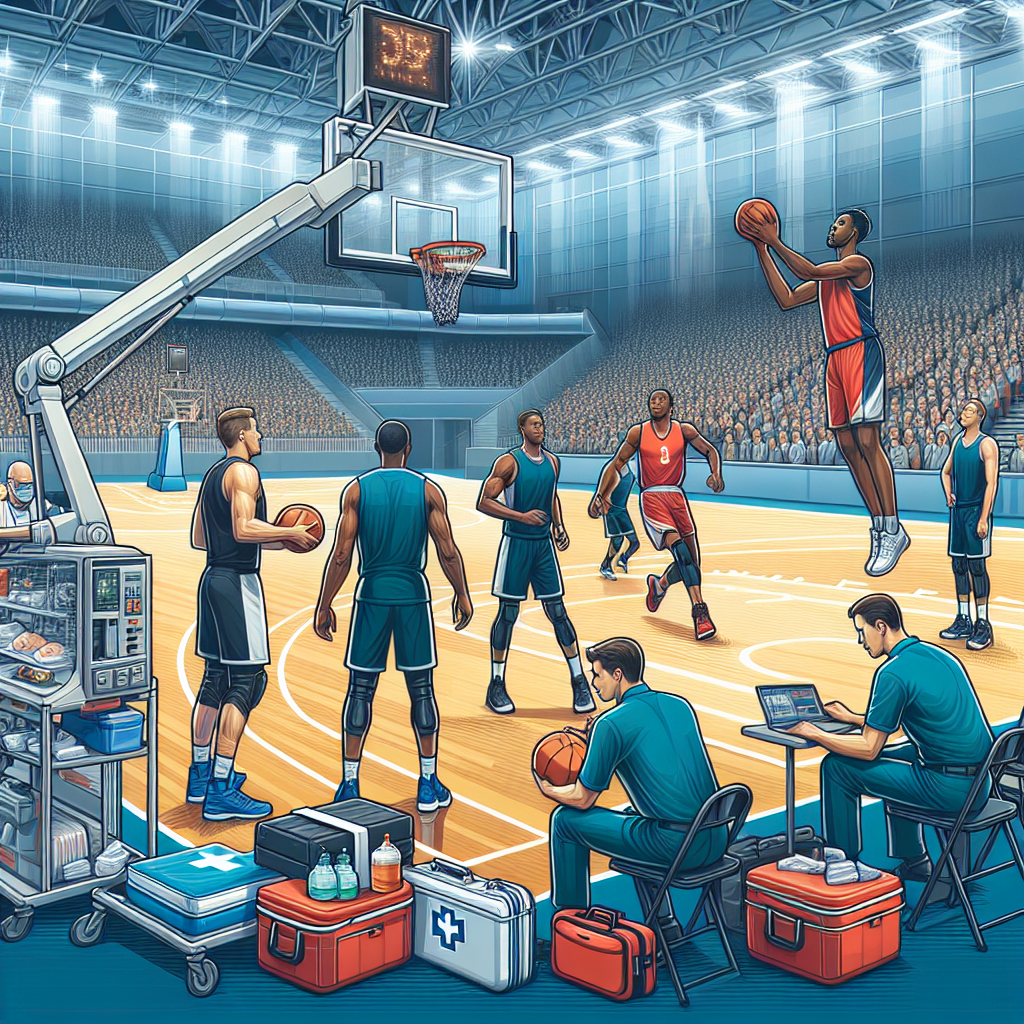
The NBA has long been at the forefront of professional sports, not only for its thrilling gameplay but also for its efforts to ensure player safety. Amid growing concerns about injuries, particularly concussions and long-term health issues, the league has taken significant steps to enhance player safety protocols in recent years. As we enter 2025, addressing player safety remains a top priority for the NBA, with new policies and technologies emerging to protect athletes. This article explores how the NBA is addressing player safety amid growing concerns, highlighting innovative strategies and ongoing challenges.
Enhancing Concussion Protocols in the NBA
In recent years, the NBA has made notable improvements to its concussion protocols to better protect players from the long-term consequences of head injuries. The league recognizes that concussions can have devastating effects, as evidenced by emerging research linking repeated head trauma to conditions such as CTE (Chronic Traumatic Encephalopathy). In response, the NBA has partnered with medical experts to revise its concussion policies, emphasizing baseline testing and strict adherence to return-to-play protocols. Players are now subject to comprehensive evaluations before being cleared to return to the game, ensuring that their health is prioritized.
Beyond immediate assessment, education has become a key element in the NBA’s strategy for tackling concussions. Teams are increasingly investing in education programs designed to inform players, coaches, and training staff about the signs and symptoms of concussions. These initiatives aim to foster a culture where athletes feel empowered to report injuries without fear of repercussions. The league is also leveraging advanced technology, such as impact sensors in practice gear and wearable technology, to monitor player health more closely and identify potential head injuries before they escalate.
Innovative Health Technology and Monitoring
As technology continues to evolve, the NBA is integrating innovative health monitoring solutions to enhance player safety. The use of advanced data analytics and biometric tracking systems allows teams to gather real-time information about player performance, fatigue levels, and overall health. For instance, wearable devices collect data on heart rate, body temperature, and exertion levels, providing critical insights that help medical staff make informed decisions about a player’s readiness to compete. These technologies are instrumental in identifying potential health risks that could lead to injuries.
In the 2025 season, several franchises have embraced artificial intelligence (AI) to analyze player data in-depth. Automated systems can detect patterns that may indicate increased injury risks, allowing preventive measures to be implemented proactively. Moreover, real-time feedback from these systems equips coaches and training staff with the necessary information to adjust practice routines and recovery protocols tailored to individual needs. This personalized approach has become a game-changer in managing player health and safety.
Workplace Safety Policies and Regulations
The NBA has also focused on enhancing workplace safety policies and regulations to create a safer environment for players and staff. In light of the pandemic and other health crises, the league has implemented stringent health and safety protocols that extend beyond the court. This includes thorough cleanliness and sanitation measures across arenas and practice facilities. With strict guidelines on hygiene, social distancing when possible, and regular health screenings, the NBA aims to prevent not only injuries but also the spread of illness among players and staff.
Additionally, the league has broadened its scope of player safety to include mental health considerations. Recognizing the increasing stress and pressure athletes face, the NBA has introduced initiatives that provide mental health resources and counseling services. Programs are in place to ensure athletes have access to mental health professionals, addressing issues ranging from anxiety to performance-related stress. By creating a holistic approach that includes both physical and mental health support, the NBA demonstrates its commitment to the overall well-being of its players.
Crisis Management and Emergency Medical Response
When it comes to player safety, having an effective crisis management strategy is vital. The NBA has implemented comprehensive emergency medical response plans to handle on-court injuries effectively. Every NBA arena is equipped with advanced medical facilities and staffed with trained personnel who are ready to respond in emergency situations. Quick access to medical care can significantly reduce recovery times and improve outcomes for injured players.
Furthermore, ongoing training for medical staff ensures they remain current with the latest best practices in sports medicine and emergency care. In 2025, the league has also embraced simulation training and virtual reality scenarios for medical personnel to prepare for high-stakes situations. These training programs help staff respond seamlessly during games or practices, ensuring that players receive prompt and effective medical attention.
The league’s commitment to crisis management also extends to improving communication protocols among coaches, players, and medical teams. Tighter coordination allows for swifter reactions during emergencies, thereby protecting player safety more effectively when unforeseen incidents occur.
Community Engagement and Advocacy for Player Health
The NBA takes an active role in community engagement concerning player health and safety. By advocating for better health policies and promoting education around athlete safety, the league aims to reach not only its players but also younger athletes and their families. The NBA has partnered with various organizations to develop outreach programs focused on injury prevention, concussion awareness, and overall athletic health.
In 2025, the league has launched initiatives targeting youth basketball programs, emphasizing the importance of safe play and injury awareness. These programs provide resources for coaches and parents about recognizing signs of injuries, emphasizing the need for a more informed youth sports culture. Through its community engagement efforts, the NBA underscores its responsibility to create safer environments for athletes at all levels, reinforcing best practices that can minimize risks while still enjoying the game.
Additionally, the NBA leverages its platform for health advocacy campaigns. Collaborations with health organizations and public service announcements help raise awareness of critical health issues, including mental health challenges athletes face. By elevating these discussions, the league reinforces its position as a leader in promoting player safety and health on and off the court.
Conclusion
As we move further into 2025, the NBA continues to set the standard for player safety amid growing concerns in professional sports. Through robust concussion protocols, innovative health technology, comprehensive workplace safety policies, and active crisis management strategies, the league demonstrates its commitment to protecting its players. Furthermore, its community engagement initiatives emphasize the need for a holistic approach to athlete health, extending beyond the court. By staying at the forefront of player safety measures and advocating for the well-being of athletes, the NBA not only secures the future of the league but also champions the health of its players, ensuring they can compete safely and effectively.
FAQs Section
What are the NBA’s updated concussion policies?
The NBA’s updated concussion policies include stricter return-to-play protocols, mandatory baseline testing, and educational programs focused on recognizing concussion symptoms. Players must be evaluated by medical professionals before being cleared to resume play.
How does technology play a role in player safety in the NBA?
Technology is essential in player safety as it involves wearable devices that monitor health metrics, AI systems that analyze injury risks, and data tracking to customize training and recovery. This innovative technology helps teams make informed decisions regarding player health.
What steps is the NBA taking to address mental health for players?
The NBA has introduced initiatives that provide mental health resources, counseling services, and educational programs addressing mental well-being. The league recognizes that mental health is just as critical as physical health and strives to support players in managing stress and performance anxiety.