Olympic Training Regimens: What It Takes to Compete
Olympic athletes are the epitome of human potential, showcasing extraordinary talent, dedication, and athleticism on the world stage. To compete at the Olympic Games, these athletes undergo rigorous training regimens that push their bodies and minds to the limit. In 2025, the standards for training have evolved significantly, incorporating advanced technologies, nutrition science, and psychological strategies to maximize performance. This article delves into what it takes to compete in the Olympics, focusing on the multifaceted training regimens that define modern Olympians.
The Foundations of Olympic Training Regimens
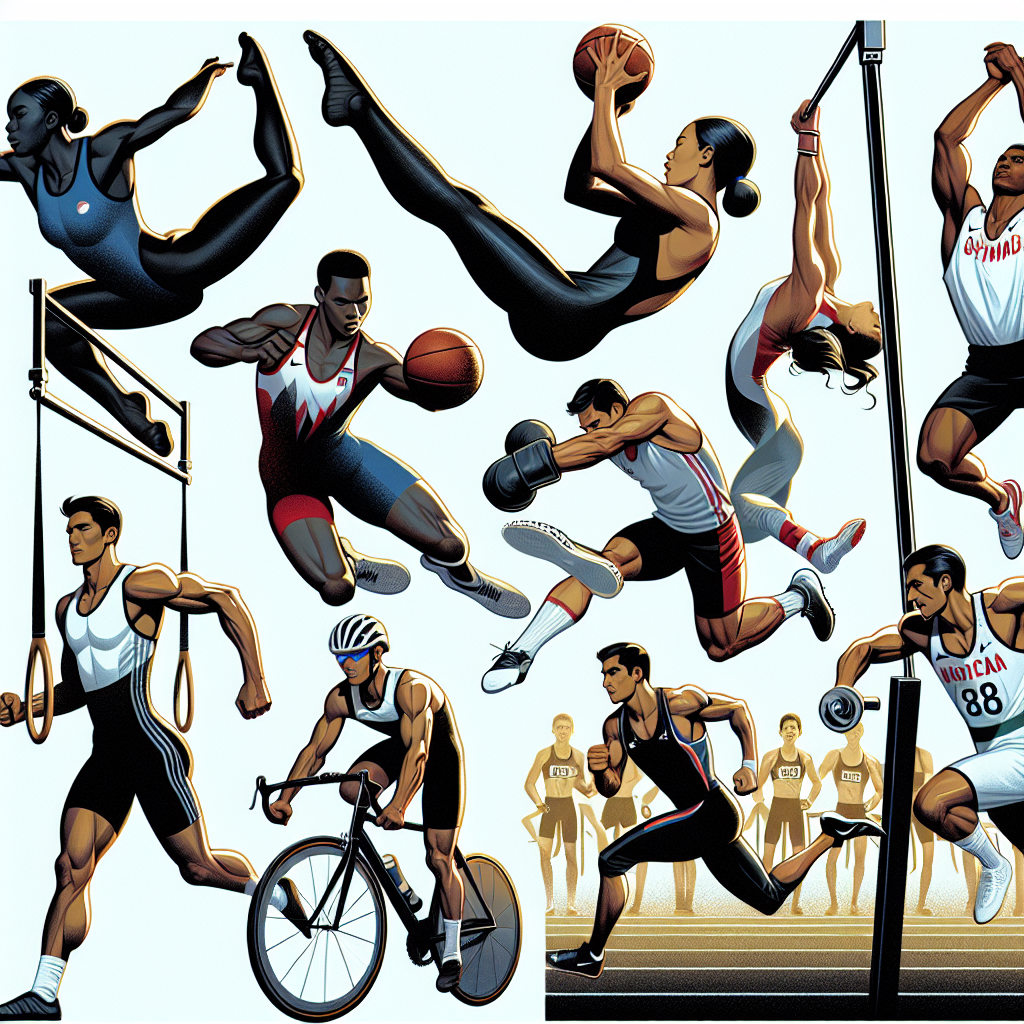
To build a solid foundation, Olympic training regimens are meticulously designed based on the sport’s specific demands. Each athlete follows a tailored program that emphasizes strength, endurance, and agility relevant to their event. For instance, a sprinter’s workout will differ significantly from a marathon runner’s routine. The base of any effective training regimen includes a well-structured plan comprising strength training, aerobic conditioning, flexibility exercises, and skill development.
Furthermore, the periodization of training is a critical concept utilized by coaches and athletic trainers. This approach involves dividing the training year into distinct phases, each focusing on preparing the athlete for peak performance at the right time, particularly during competition season. By gradually increasing the intensity and volume of workouts, athletes not only build strength but also allow their bodies adequate recovery time, reducing the risk of injury—a crucial aspect of high-performance sports training.
The Role of Nutrition in Olympic Training
Nutrition is a vital pillar of an athlete’s training regimen. In 2025, advancements in nutritional science have led to increasingly personalized dietary plans that cater to the unique needs of athletes. Elite athletes now work with sports nutritionists who design meal plans optimized for their specific training phases, considering factors like caloric intake, macronutrient ratios, and timing of meals. This individualized approach helps optimize energy levels, improve recovery, and enhance overall performance.
Moreover, hydration strategies have come to the forefront of training regimens as research highlights its crucial role in athletic performance. Dehydration can significantly hinder physical capabilities, making it imperative for athletes to maintain optimal fluid levels. Sports drinks, electrolytes, and even innovative hydration technologies are being employed to ensure that athletes are both hydrated and properly fueled, enabling them to train harder and recover faster.
Advanced Training Techniques and Technologies
In the modern era, technology has revolutionized the way athletes train. Wearable fitness trackers and performance monitoring tools are now standard practice within Olympic training regimens. These devices provide real-time feedback about heart rate, calorie burn, and muscle engagement, enabling athletes and coaches to make data-driven decisions to enhance training effectiveness. The integration of artificial intelligence and machine learning algorithms allows for detailed analysis of performance metrics and training adaptations, ensuring that each athlete can be optimized for peak performance.
In addition to wearables, cutting-edge training facilities equipped with virtual reality (VR) and augmented reality (AR) systems are becoming commonplace. These technologies allow athletes to immerse themselves in various scenarios related to their sport, whether it’s simulating a high-pressure competition or visualizing perfect technique. Such immersive experiences not only aid in skill acquisition but also boost mental resilience and confidence, which are essential attributes for Olympic success.
The Mental Game: Psychological Preparation for Olympians
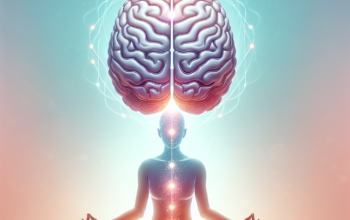
Mental toughness and psychological preparedness are increasingly recognized as essential components of Olympic training regimens. Athletes face immense pressure during competition, and those who can manage their mental state often outperform their physically superior competitors. In 2025, sports psychologists play a crucial role in preparing athletes for the high-stakes environment of the Olympics. Techniques such as visualization, mindfulness, and cognitive-behavioral strategies are employed to help athletes develop focus, reduce anxiety, and enhance performance under pressure.
Mental conditioning also encompasses goal-setting and motivation strategies. Athletes are taught to set realistic yet challenging goals, helping them maintain motivation throughout their grueling training regimens. By breaking down long-term aspirations into manageable milestones, athletes can celebrate small victories, fostering a positive state of mind and reinforcing their drive towards Olympic glory.
The Importance of Recovery and Rehabilitation
Recovery is an often underappreciated facet of an Olympic training regimen, yet it is crucial for sustaining peak performance levels. Overtraining can lead to burnout and injury, making recovery techniques paramount. In 2025, athletes utilize an array of recovery strategies, including advanced physiotherapy, cryotherapy, and even recovery-specific technologies such as pneumatic compression devices. These innovations assist in muscle repair and expedite recovery times, allowing athletes to return to training feeling revitalized.
In addition to physical recovery methods, mental recovery is equally significant. Athletes are encouraged to engage in activities that promote relaxation and stress relief, such as yoga and meditation. These practices not only aid in physical restoration but also enhance mental clarity, providing athletes with the focus they need to perform at their best.
Conclusion
Competing at the Olympic level requires extreme dedication, discipline, and a comprehensive understanding of what comprises an effective training regimen. From tailored training plans and nutrition strategies to the integration of advanced technologies and mental conditioning, modern Olympic athletes in 2025 leverage every tool available to maximize their potential. Recovery must also be prioritized to ensure sustained performance and longevity in their careers. Ultimately, the journey to the Olympics is a testament to the resilience and spirit of these extraordinary athletes.
FAQs
What are the main components of an Olympic training regimen?
An Olympic training regimen typically incorporates strength training, aerobic conditioning, flexibility training, skill development, nutrition management, and psychological preparation tailored to the specific demands of the athlete’s sport.
How do nutrition and recovery impact athlete performance?
Proper nutrition fuels training and enhances recovery, while effective recovery strategies help prevent injury and reduce fatigue, enabling athletes to train at peak levels consistently.
What role does mental preparation play in Olympic training?
Mental preparation is essential for managing competition pressure, building focus, and enhancing confidence. Techniques like visualization and mindfulness help athletes cultivate the mental resilience needed for success in high-stakes situations.
By understanding and integrating these diverse aspects of Olympic training regimens, athletes can elevate their performance and fully realize their potential on the world stage.