The Resilience Factor: Overcoming Adversity in Sports
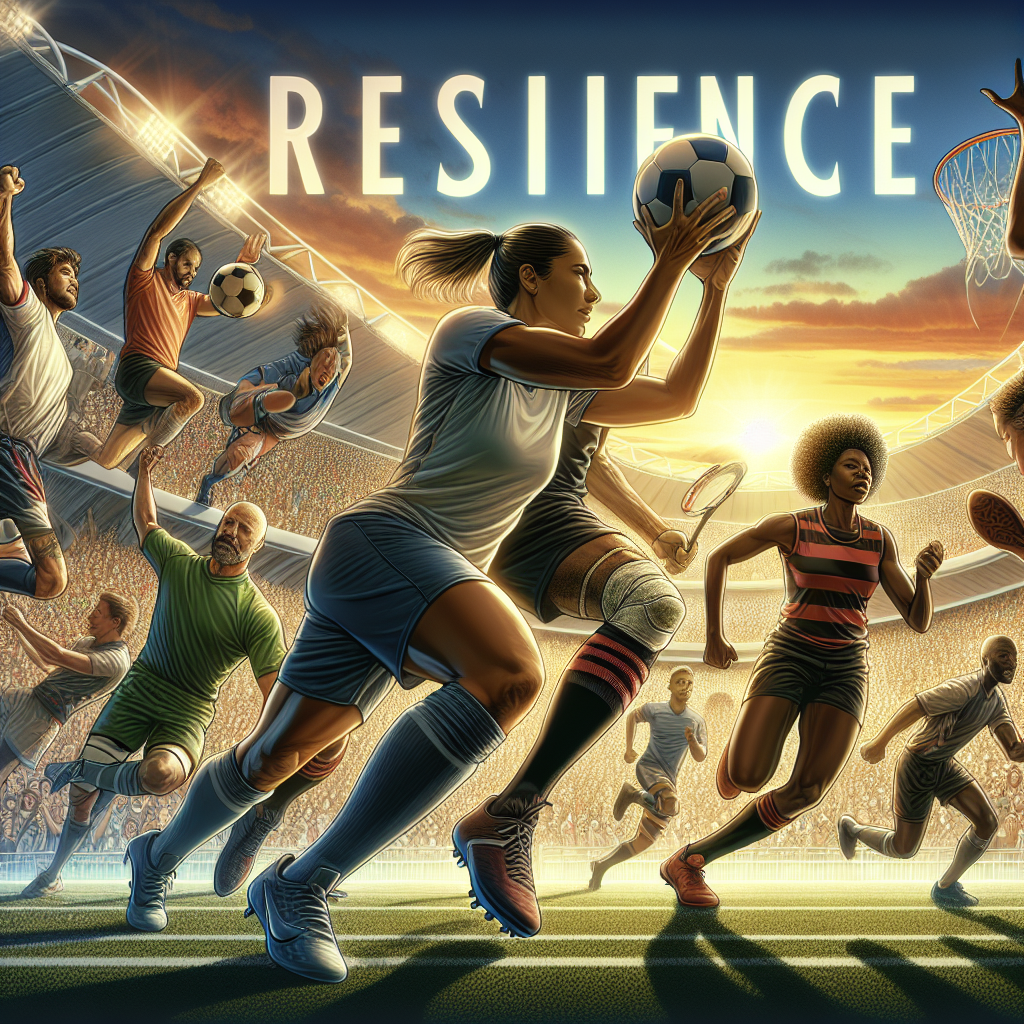
The Resilience Factor: Overcoming Adversity in Sports
In the realm of sports, the path to excellence is often laden with challenges. From injuries to unexpected losses, the journey is rarely straightforward. The “Resilience Factor: Overcoming Adversity in Sports” encapsulates not just the physical, but also the mental and emotional strength required to withstand these trials. As athletes from various disciplines continue to face unprecedented challenges, understanding the nuances of resilience can empower them to not just survive, but thrive—even in the most adverse conditions.
The Importance of Mental Resilience in Sports
Mental resilience is the cornerstone of success in sports. Unlike physical resilience, which relies on the body’s ability to recover and perform, mental resilience encompasses an athlete’s psychological fortitude. It includes their ability to stay focused under pressure, deal with failure constructively, and maintain motivation over long periods. Research conducted in 2025 highlights that athletes with higher levels of mental resilience are not only more likely to recover from setbacks but also display improved overall performance. This mental strength allows athletes to push past their limits, adapt to challenging situations, and rise above competitors who may be technically superior but lack mental toughness.
Moreover, mental resilience in athletes directly affects their training environment. A psychologically resilient athlete promotes a culture of perseverance and positivity among teammates. For instance, teams that prioritize mental health initiatives report lower burnout rates and a more cohesive group dynamic. Programs focusing on mindfulness, visualization, and cognitive-behavioral techniques are becoming standard practice in modern sports training. These strategies help athletes develop a resilient mindset that enables them to harness their inner strength even when external conditions are not favorable.
Physical Challenges: Adversities in Athletic Careers
Injuries remain one of the most significant adversities athletes face, often sidelining them during critical phases of their careers. In 2025, high-impact sports have seen an increase in injury rates, primarily due to intensified training regimens and competitive pressures. Notable cases include professional basketball players who have struggled with knee injuries, forcing them to not only confront the physical limitations but also the fear of re-injury. Overcoming such challenges requires an immense amount of resilience, both physically and mentally. The rehabilitation process can take months, and athletes must remain optimistic while facing the emotional strain that accompanies long-term recovery.
In addition to injuries, athletes often encounter intense competition that can lead to significant psychological stress. Competitive sports can strain one’s mental health, particularly during high-stakes events such as the Olympics or World Championships. Failing to meet expectations can lead to self-doubt and anxiety. Developing resilience involves creating coping mechanisms to manage stress and not allowing failures to define one’s identity. Athletes use various techniques, including goal-setting and positive self-talk, to bounce back after a poor performance, showcasing how essential resilience is in overcoming adversity.
The Role of Coaches and Support Systems in Building Resilience
The role of coaches and support systems cannot be overstated when discussing resilience in sports. In 2025, many coaches have begun integrating psychological training into their practice routines, realizing that emotional and mental preparedness is just as crucial as physical readiness. Coaches serve not merely as trainers but as mentors who guide athletes through adversity. By fostering an open environment where athletes can discuss their fears and setbacks, coaches enable individuals to confront challenges rather than avoid them. This support often leads to building a more resilient athlete, capable of weathering the storms inherent in competitive sports.
Furthermore, the influence of family and friends is crucial in cultivating resilience. Support from loved ones provides athletes with a safety net, reassuring them that they are not alone during their toughest times. Community programs and peer-led initiatives have emerged, focusing on emotional support and sharing experiences. Such environments create a network of encouragement, allowing athletes to strengthen their resilience away from their immediate competitive settings. Collectively, these support systems play a vital role in helping athletes navigate their challenges, reinforcing the idea that resilience is not just an individual trait but a collective effort.
Success Stories: Resilience in Action
Success stories of athletes who have demonstrated remarkable resilience serve as powerful examples of overcoming adversity in sports. One of the standout narratives in 2025 involves an elite gymnast who suffered a traumatic injury just months before the national championships. Rather than succumbing to despair, she utilized a combination of mental conditioning techniques and rigorous physical therapy to stage a comeback. Her journey displayed the power of resilience, inspiring both her teammates and aspiring athletes around the world. By sharing her experience through social media, she also served as a pioneer in raising awareness about mental health challenges in sports.
Similarly, in the realm of professional football, a quarterback known for his quick reflexes constantly faced criticism during a difficult season. Instead of retreating into a shell of self-doubt, he actively engaged in workshops designed to enhance mental toughness. Consequently, he turned his season around by focusing on personal growth rather than external validation. This ability to rebound from public scrutiny highlighted how resilience can foster not just personal success, but also elevate an entire team’s performance. These athletes exemplify the profound impact of resilience on an individual’s career trajectory.
Building Resilience: Practical Strategies for Athletes
For aspiring and professional athletes alike, cultivating resilience involves concrete strategies that can be integrated into training routines. One effective method is the practice of mindfulness and visualization techniques, which have gained traction in 2025. Mindfulness training helps athletes remain present, reducing anxiety and enhancing focus. Visualization, on the other hand, involves mentally rehearsing successful outcomes to prepare for high-pressure situations. By incorporating these methods into their daily routines, athletes can significantly improve their resilience against adversity.
Another practical approach is embracing a growth mindset—the belief that abilities and intelligence can be developed through dedication and hard work. Athletes who adopt this mindset view challenges as opportunities for growth rather than insurmountable barriers. They celebrate small victories and treat failures as learning experiences, which is crucial for building resilience. Additionally, creating a flexible goal-setting framework allows athletes to adapt their targets based on performance and circumstances, leading to sustained motivation amidst changing situations.
Regular reflection and assessment are also key elements in building resilience. Athletes are encouraged to maintain journals documenting not only their training progress but also their emotional states. By doing so, they can identify patterns in their emotional responses to success and failure. This self-awareness fosters improved coping strategies and a deeper understanding of one’s strengths and weaknesses. Over time, these practices result in a more resilient athlete who is better equipped to tackle challenges head-on.
Conclusion
In conclusion, resilience is an undeniable factor in overcoming adversity in sports. As athletes navigate the hurdles of injuries, competition, and psychological pressures, the ability to maintain mental and physical strength becomes paramount. Emphasizing the role of coaches, support systems, and practical strategies can further empower athletes to develop resilience. They not only build the fortitude needed to rebound from setbacks but also set themselves on paths to success in their respective sports. The resilience factor transcends merely a competitive edge; it is an integral part of an athlete’s journey, inspiring them to reach new heights and serve as a beacon of hope for others facing adversity.
FAQs
What is resilience in sports?
Resilience in sports refers to the ability of athletes to recover from setbacks such as injuries, losses, or competitive pressure while maintaining their mental and physical strength. It encompasses psychological factors that contribute to an athlete’s performance and overall well-being.
How can athletes develop resilience?
Athletes can develop resilience through various methods including mindfulness training, visualization techniques, adopting a growth mindset, and engaging in regular reflection and assessment of their emotional responses to both success and failure.
What role do coaches play in fostering resilience among athletes?
Coaches play a crucial role in fostering resilience by creating a supportive environment that encourages open communication, incorporating mental and emotional training into practice routines, and mentoring athletes to develop coping mechanisms for dealing with adversity.
Can resilience improve athletic performance?
Yes, resilience can significantly improve athletic performance by enabling athletes to handle pressure, recover from setbacks more effectively, and maintain focus on their goals despite challenges encountered during their athletic careers.
Are there any famous examples of resilience in sports?
Absolutely! Numerous athletes have displayed remarkable resilience, such as the gymnast who overcame a life-threatening injury to compete again, or the quarterback who turned around a difficult season through mental conditioning. Their journeys serve as inspirations for resilience in sports.