Navigating Fame: Athletes Talk About Life in the Public Eye
Introduction
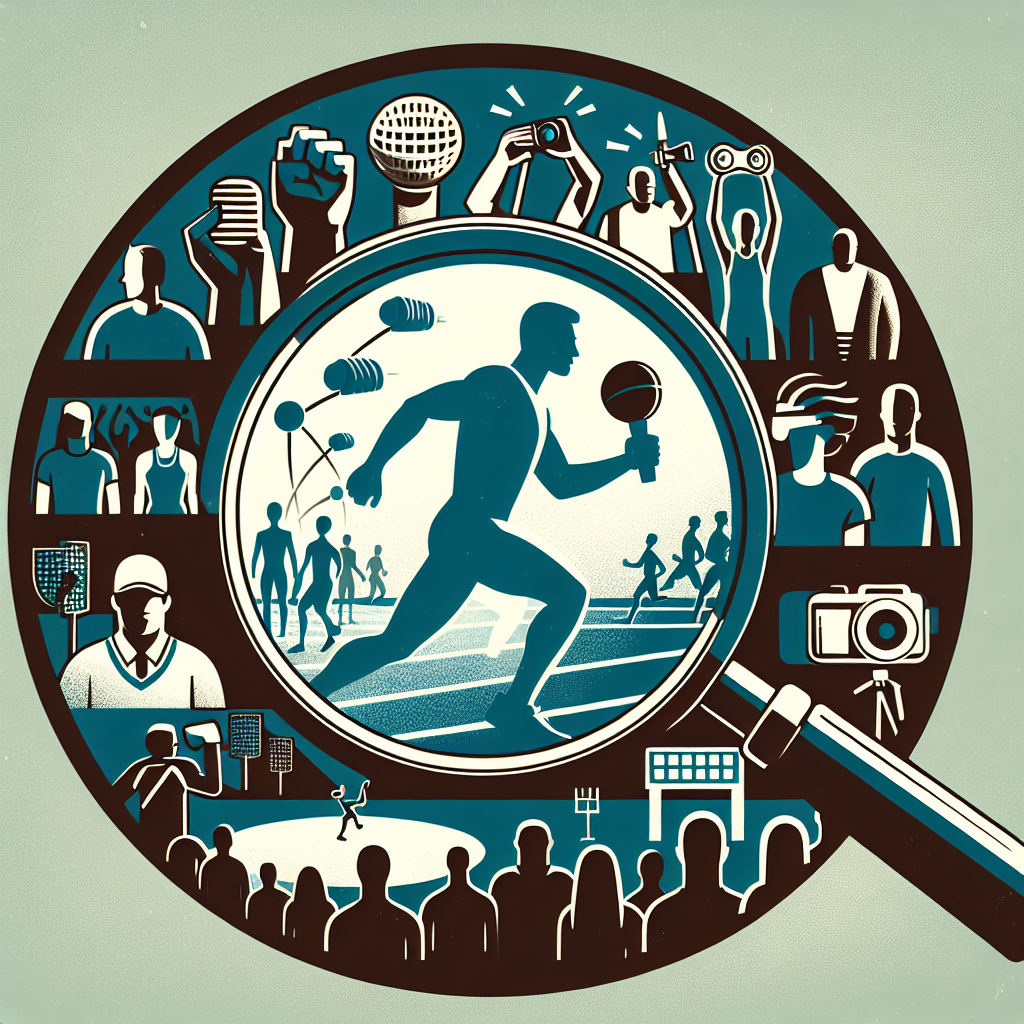
In the world of sports, fame and success often go hand-in-hand, thrusting athletes into the limelight for their extraordinary achievements. However, navigating fame is a double-edged sword, filled with both opportunities and challenges. In this article, we will explore how athletes manage life in the public eye, focusing on their experiences, struggles, and coping strategies. Through in-depth insights and personal reflections, we aim to provide a comprehensive understanding of what it truly means to be famous in the realm of sports, especially in the evolving landscape of 2025.
Understanding the Weight of Fame in Sports
Fame in sports can change an athlete’s life dramatically, often overshadowing their dedication and hard work. With millions of eyes fixed on them, athletes are expected to be role models both on and off the field. This constant scrutiny can lead to immense pressure. Take, for instance, the story of Serena Williams. By 2025, her influence has transcended Wimbledon wins and Grand Slam titles; she has become a beacon of resilience. Williams discusses how the expectations of fans and sponsors can weigh heavily, sometimes affecting mental health. She exemplified how navigating fame requires a balance between personal identity and public persona.
Moreover, the reality of fame extends beyond the accolades. As athletes earn higher visibility and status, the risk of judgment and criticism also increases. Social media platforms amplify this scrutiny, allowing fans to share their opinions instantly. Athletes may find themselves caught in a cycle of validation and stress as they seek to maintain a positive public image. These dynamics create an environment where many struggle to assert their identity amidst the fanfare, leading to challenges in their private lives. Yet, there are athletes who have learned to embrace this element of fame, using it to fuel their motivation and community outreach.
The Dark Side of Celebrity: Mental Health Challenges
As athletes share their stories, it becomes increasingly clear that the pressures of fame can take a significant toll on mental health. High-profile athletes like Michael Phelps have been vocal about their struggles with anxiety and depression, illuminating the reality that many face behind closed doors. In recent years, organizations such as the “Athlete Mental Wellness Initiative” have emerged to provide support and resources. This shift towards prioritizing mental health in sports has gained momentum in 2025, as athletes advocate for open conversations regarding emotional well-being.
Amidst the bright lights, athletes often face fear of failure and the burden of expectations, which can lead to severe anxiety. The tragic experiences of high-profile figures who have battled mental health challenges underscore the need for better support systems. As awareness grows, many athletes emphasize the importance of surrounding themselves with a trusted circle—friends, family, and mental health professionals—to help them manage the psychological demands of fame. The role of social media cannot be overlooked; while it can facilitate connection, it can also be a source of negativity, triggering self-doubt and anxiety when athletes receive harsh criticism or are cyberbullied.
Coping Mechanisms: Finding Balance in the Spotlight
To effectively navigate fame, athletes must adopt strategies to maintain balance in their lives. Many have recognized the necessity of setting boundaries to create a healthy environment. For instance, LeBron James, one of the most influential figures in sports, frequently emphasizes the importance of “turning off” from the public eye by spending quality time with family and friends. In 2025, his ongoing commitment to community engagement through initiatives like “I PROMISE School” highlights how athletes can use their platform positively while ensuring their personal lives remain insulated from the pressures of fame.
Creating personal rituals also serves as a vital coping mechanism. Athletes often rely on activities like meditation, yoga, and other mindfulness practices to stay grounded. For example, Tom Brady, who has entered a new phase of his career, integrates meditation and physical wellness into his routine, allowing him to focus and recharge. This holistic approach to health encourages many in the sporting world to prioritize mental and emotional well-being.
Furthermore, athletes increasingly seek professional help and counseling to navigate their unique challenges. Recognizing that fame can disrupt their personal lives, some stars collaborate with psychologists specializing in sports-related pressures. This approach has led to an overall shift in how athletes perceive vulnerability, acknowledging that seeking help is a strength rather than a weakness. The conversation around mental health has become a community effort supported by organizations like the National Alliance on Mental Illness (NAMI) and the Global Sports Mental Health Initiative.
Creating Positive Impact: Using Fame for Good
Many athletes leverage their fame for philanthropic initiatives, channeling their influence towards social causes and community projects. This transition reflects a growing trend where athletes recognize the potential of their platforms to foster change. In 2025, athletes like Colin Kaepernick and Naomi Osaka remain emblematic of this movement, using their visibility to raise awareness on issues such as racial injustice and mental health advocacy. Their journeys illustrate how fame can transcend personal glory to create a legacy of positive impact for society.
Athlete-led foundations have flourished in recent years, providing support for youth programs, education, and health initiatives. Programs like “Athletes for Hope” and “The Players’ Tribune” have empowered athletes to share their stories, raising awareness around important social issues. This approach not only benefits communities but also aids athletes in redefining their identities beyond the sport. They become agents of change, fostering a sense of purpose that helps them throughout their careers and beyond.
Moreover, collaborations between athletes and businesses reflect a new wave of social consciousness. Many professional athletes are partnering with companies that align with their values. For instance, partnerships focusing on nutrition, fitness, and sustainability have gained traction, showing how fame can be used to influence positive behavioral changes in society. The goal is not merely to promote products but to inspire the next generation to prioritize health, education, and ethical living.
The Evolution of Media Interaction and Athlete Autonomy
In 2025, the paradigm of media interaction is evolving—athletes are taking control of their narratives in unprecedented ways. Social media has empowered athletes to engage directly with fans, share their daily lives, and promote social causes without the traditional media filter. This direct line of communication allows athletes to present their authentic selves, cultivate their brands, and address controversies head-on. For example, gymnasts like Simone Biles and social media savvy athletes use platforms like Instagram and TikTok to connect with fans personally, creating a sense of intimacy that was often missing in years past.
However, with this autonomy comes responsibility. Athletes must navigate the fine line between transparency and overexposure. It’s become essential for athletes to curate their online presence mindfully—balancing authenticity with privacy. This evolution has led to discussions about digital wellness and online boundaries, where athletes learn to set limits on what they share. More workshops and mentorship programs are emerging, allowing athletes to learn from digital marketing experts and media professionals about managing their public personas.
The landscape of traditional media has also shifted, with many athletes opting for exclusive interviews or podcast collaborations to tell their stories on their terms. By controlling the medium and message, they can engage in deeper conversations about mental health, social justice, and other pressing issues. These narratives not only humanize athletes but also challenge the public’s perception of fame, encouraging fans to see them as multifaceted individuals.
Conclusion
Navigating fame as an athlete in the year 2025 presents unique challenges and opportunities. From the mental health struggles that come with public scrutiny to the potential for social impact, athletes are learning to embrace their influence with mindfulness and purpose. By sharing their experiences, setting boundaries, and advocating for mental health resources, they are paving the way for future generations to manage fame positively. Ultimately, the journey of navigating fame reveals that while the spotlight can be overwhelming, it also holds immense potential for growth and social change.
FAQs
What are the most significant mental health challenges faced by athletes in the public eye?
Athletes often encounter anxiety, depression, and the pressure of public scrutiny. The fear of failure and constant evaluation can lead to overwhelming stress, necessitating coping strategies and support systems.
How can athletes maintain their privacy while being in the spotlight?
Athletes can set boundaries by curating their social media presence, limiting what they share publicly, and engaging directly with fans in controlled environments. They can also choose exclusive platforms to communicate their values and stories.
What role does social media play in shaping an athlete’s public image?
Social media allows athletes to communicate directly with fans, control their narratives, and showcase their personalities and causes. However, it also exposes them to criticism and pressures regarding their public personas.
What initiatives exist to support athlete mental health?
Several organizations, such as the Athlete Mental Wellness Initiative and NAMI, provide resources and support for athletes. Many professional sports organizations are also prioritizing mental health with programs dedicated to athlete well-being.
How are athletes using their fame to promote social change in 2025?
Athletes leverage their platforms to advocate for social justice, fundraise for community projects, and support mental health awareness initiatives. Collaborations with businesses that align with their values are also becoming common, amplifying their impact.