Understanding Concussions: Risks and Management in Contact Sports
In the realm of contact sports, the issue of concussions has gained significant attention over the years. These injuries, though often underestimated, pose serious risks to athletes at all levels—from amateur leagues to the professional stage. Understanding concussions involves not just recognizing their symptoms but also acknowledging the long-term impact they can have on athletes’ health. This article delves into the risks associated with concussions in contact sports and outlines effective management strategies that can mitigate these dangers, ensuring that athletes are better protected.
What is a Concussion?
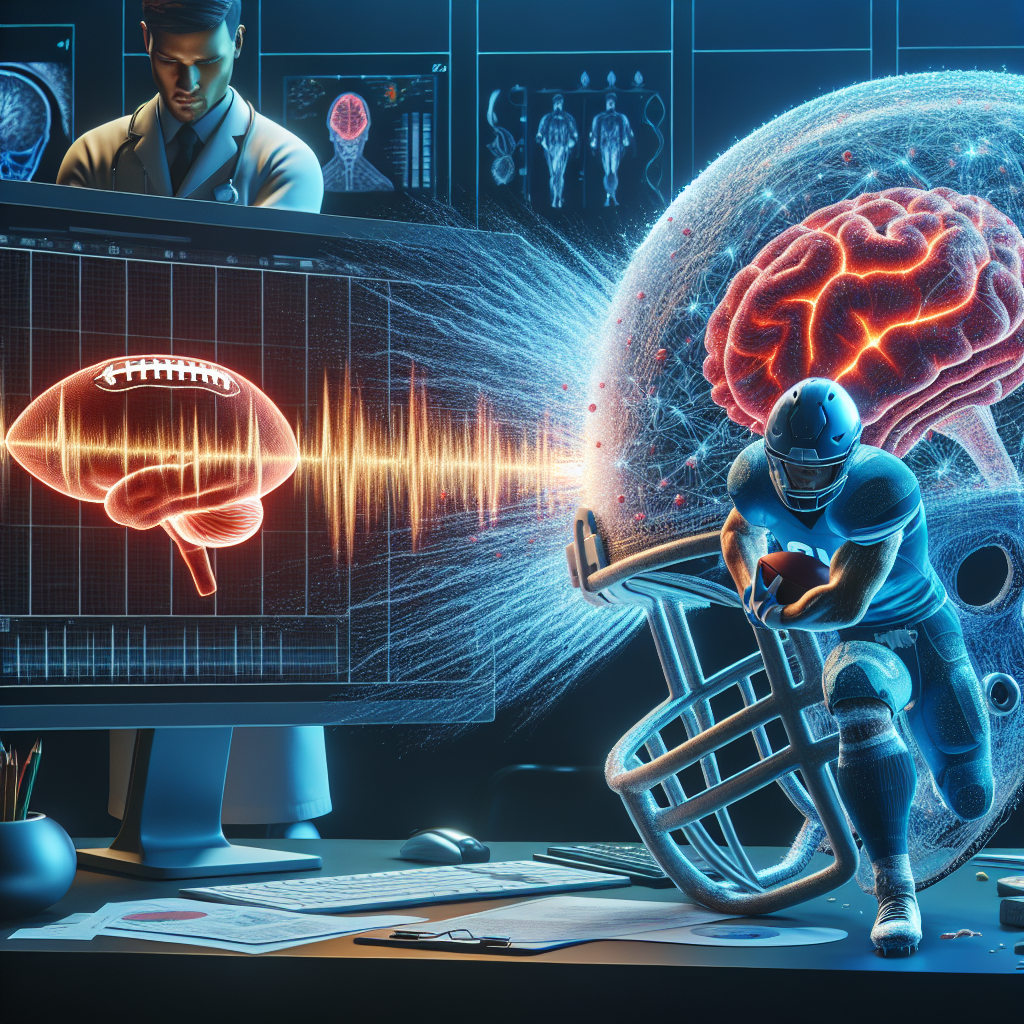
A concussion is a type of traumatic brain injury (TBI) that results from a blow or jolt to the head or body, causing the brain to move rapidly within the skull. This movement can lead to chemical changes in the brain and, in some cases, damage to brain cells. Symptoms can vary widely, ranging from headaches and confusion to memory loss and balance issues. Despite often being classified as a mild injury, the consequences of concussions can be severe, especially in contact sports where physical impacts are frequent and unavoidable.
Research from 2025 indicates that the incidence of concussions in contact sports like football, hockey, and rugby remains alarmingly high. A recent survey conducted across high school and collegiate athletes showed that over 20% of respondents had experienced at least one concussion during their sporting career. This statistic underscores the pressing need for improved awareness and preventive measures in sports teams and organizations worldwide.
Risks Factors Associated with Concussions in Contact Sports
The risks of sustaining a concussion can be influenced by various factors, including the type of sport, athlete behavior, and environmental conditions. For example, contact sports such as football and ice hockey present a higher risk due to the nature of the gameplay, which involves direct physical collisions. Athletes engaging in high-impact sports may experience repeated concussions, leading to cumulative effects and increasing the severity of subsequent injuries.
Another significant risk factor is the age of the athlete. Younger players, particularly children and adolescents, are more susceptible to concussions because their brains are still developing. Studies show that youth athletes are often unable to recognize the symptoms of a concussion—a factor that can lead to returning to play prematurely, further exacerbating the injury. Protective gear, such as helmets, is designed to reduce the risk of head injuries, yet they are not foolproof, emphasizing the need for comprehensive education about the risks of concussions among players and coaches alike.
Signs and Symptoms of Concussions
Recognizing the signs and symptoms of a concussion is critical for effective management and recovery. Common indicators include headaches, dizziness, confusion, nausea, and sensitivity to light or noise. Athletes may also experience difficulty concentrating, changes in sleep patterns, and emotional disturbances such as irritability or sadness. Given that these symptoms may not manifest immediately after the injury, monitoring athletes both during and post-game is essential.
In 2025, advancements in technology play a pivotal role in concussion management. Mobile health (mHealth) applications are being utilized by sports organizations to track players’ symptoms in real-time, improving diagnosis and management protocols. These apps allow athletes and coaches to report symptoms quickly, fostering a proactive approach to concussion safety. Coaches are increasingly trained to utilize these tools to assess athletes, ensuring that they adhere to recommended protocols before allowing a return to play.
Furthermore, one of the most alarming trends in concussions is the phenomenon known as “Second Impact Syndrome.” This arises when an athlete sustains a second concussion before fully recovering from the first, which can lead to severe and lasting consequences, including permanent brain damage or, in extreme cases, death. With increasing knowledge of this syndrome, sports programs are emphasizing the importance of recognizing and respecting the recovery period following a head injury.
Effective Management Strategies for Concussions
Management strategies for concussions have evolved significantly, particularly in the 2025 landscape of sports medicine. Immediate removal from play following a suspected concussion is the first critical step. This action should be enforced by coaches and medical personnel who are trained to recognize concussion symptoms. A strict “return-to-play” protocol is then employed, which includes a gradual increase in physical activity under medical supervision.
Once an athlete is diagnosed with a concussion, cognitive and physical rest is paramount in the early stages of recovery. This means limiting activities that require concentration, such as screen time or reading, as well as physical exertion that could exacerbate symptoms. The American Academy of Neurology suggests that once symptoms fully resolve, athletes should follow a carefully structured return-to-play progression that involves gradual increments in physical activity, monitored by healthcare professionals to ensure proper recovery.
Education also plays a vital role in effective concussion management. All stakeholders—coaches, athletes, parents, and medical personnel—should be equipped with knowledge about the seriousness of concussions. Workshops and training sessions focused on the risks and recovery processes are becoming increasingly common in sports programs. These initiatives aim to bridge gaps in understanding, reduce risk factors, and promote a culture of safety within contact sports.
Long-Term Consequences of Untreated Concussions
The long-term consequences of untreated concussions can be dire and may have profound effects on an athlete’s quality of life. Chronic symptoms, including persistent headaches and cognitive dysfunction, are often seen in individuals who do not adhere to recommended recovery protocols. A notable concern is the development of Chronic Traumatic Encephalopathy (CTE), a progressive neurodegenerative disease linked to repeated head trauma. CTE has been found in many former athletes, particularly in contact sports, and is characterized by mood swings, memory loss, and various neurological impairments.
In addition to cognitive issues, athletes who suffer multiple concussions may also experience changes in their emotional health. Anxiety, depression, and increased irritability are frequently reported, which can impact both personal and professional aspects of their lives. In 2025, there is a growing recognition of mental health challenges associated with sports-related concussions, leading to partnerships between sports organizations and mental health professionals to provide dedicated support for affected athletes.
Preventive measures are crucial in reducing the incidence of long-term consequences stemming from concussions in contact sports. As part of this growing awareness, research into helmet technology and protocols has intensified. Innovations in design aim to absorb the impact better, thus minimizing the risk of head injuries. It is essential for both players and coaching staff to stay informed about the latest advancements to ensure they are using equipment that provides the best protection.
Future Directions in Concussion Management
As we progress further into 2025, the landscape of concussion management is evolving. One promising direction is the adoption of advanced diagnostic tools, including neuroimaging techniques such as functional MRI and diffusion tensor imaging. These technologies can potentially assess brain health more accurately, allowing healthcare professionals to determine the extent of the injury and tailor treatment plans accordingly.
Additionally, artificial intelligence (AI) and machine learning are emerging fields within sports medicine, offering new ways to monitor athletes’ health and predict potential concussions. Utilizing biometric data from wearable devices can help identify risk factors and offer personalized recommendations for training loads and recovery protocols, thereby enhancing overall player safety.
Furthermore, legislation surrounding concussion management is becoming stricter in many regions. Governments and sports governing bodies are increasingly mandating concussion education and safety protocols in schools and clubs. This legal framework aims to create safer environments for young athletes, holding organizations accountable for protecting their players’ health and well-being.
In conclusion, understanding concussions and their management in contact sports is vital for safeguarding athletes from the risks associated with head injuries. The combination of education, technology, strict management protocols, and ongoing research into prevention strategies is essential to minimize the impact of concussions. As we advance into a new era of sports safety, collaboration among athletes, medical professionals, and sports organizations will be key to ensuring a safer playing field for everyone involved in contact sports.
FAQs
What are the common symptoms of a concussion?
Common symptoms of a concussion include headaches, dizziness, difficulty concentrating, confusion, nausea, and sensitivity to light or noise. Emotional disturbances like irritability and depression may also occur.
How can a concussion be diagnosed?
A concussion is primarily diagnosed based on a combination of reported symptoms and a thorough physical and cognitive assessment. Neuroimaging techniques may be used in more severe cases to evaluate brain health.
What are the recommended recovery protocols after a concussion?
Following a concussion, it is crucial to take cognitive and physical rest initially. Healthcare providers recommend a gradual return to physical activities once symptoms resolve, typically following a structured “return-to-play” protocol monitored by a medical professional.
Are concussions more severe in younger athletes?
Yes, younger athletes are generally at a higher risk for more severe effects from concussions due to their still-developing brains. They might also struggle to identify symptoms or the need for rest, making education critical.
What technologies are being used to prevent and manage concussions?
Emerging technologies include advanced neuroimaging techniques, wearable devices that monitor athletes’ physiological data, and mobile health applications for symptom tracking, enhancing concussion detection and management.