Introduction
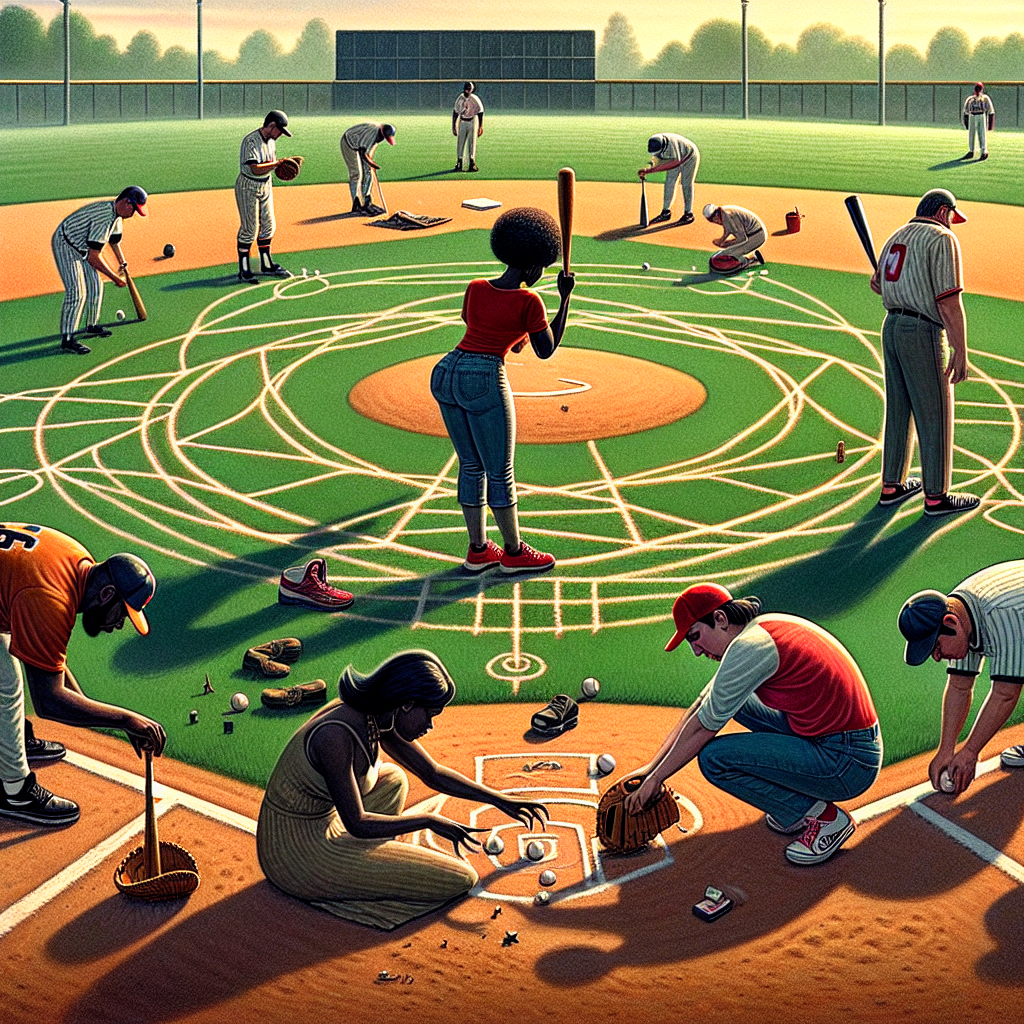
Baseball, often regarded as America’s pastime, carries a rich tapestry of rituals and superstitions that underpin its cultural significance. As we delve deeper into the significance of rituals and superstitions in baseball, it becomes clear that they not only enhance the experience for players and fans alike but also create a unique bond within the community. From pre-game routines to lucky charms, these practices offer both psychological comfort and a sense of tradition that transcends generations. This article explores the various ways in which rituals and superstitions play a pivotal role in the great game of baseball, shaping the players’ performance and the fans’ engagement.
The Role of Rituals in Baseball
Rituals in baseball serve as both personal and collective expressions of hope, belief, and dedication. Players often create specific routines that help them mentally prepare for games. For example, a pitcher may engage in a series of warm-up exercises that he performs in the same order before every game. This routine becomes a crucial part of his psychological preparation, allowing him to focus on getting into the right mindset. Furthermore, these rituals can extend to the entire team, where collective rituals, like team huddles or group chants, foster camaraderie and build a sense of unity and purpose.
Not only do personal and team rituals help in establishing mental readiness, but they also contribute to emotional stability. The unpredictability of sports can lead to anxiety and pressure. By adhering to rituals, players can exert a sense of control over their environment, which can be incredibly comforting. For instance, many baseball players are known to have specific pre-game meals or wear particular articles of clothing, trusting that these choices will influence their performance positively. In a sport defined by statistics and scrutiny, such rituals become critical elements of a player’s identity and strategy.
Understanding Superstitions in the Game
Superstitions in baseball are often rooted in history and folklore, creating an intriguing narrative that enriches the sport’s culture. From the infamous “Curse of the Bambino,” which plagued the Boston Red Sox for 86 years, to the belief in “the rally monkey,” superstitions add layers to a sport already brimming with stories. Players often adhere to these superstitions with a reverence that showcases their deep connection to the game’s history and the legends that have come before them. Such practices, whether believed to bring luck or ward off bad omens, are an integral part of the experience, influencing both player and fan behavior.
Moreover, the collective nature of superstitions strengthens community ties among fans. When a team is performing well, fans may attribute their success to specific rituals or charms, reinforcing the belief that they collectively have a role in the team’s performance. For instance, the act of wearing a particular shirt or hat during games can turn into a communal habit that unites fans while also feeding into the players’ psychology. This sense of shared belief can elevate the game experience and create lasting memories that fans cherish.
The Psychology Behind Rituals and Superstitions
Understanding the psychological underpinnings of rituals and superstitions in baseball can shed light on their significance. At the core of these practices is a phenomenon known as “magical thinking.” This psychological concept suggests that individuals believe their actions can significantly influence uncontrollable outcomes. For players, rituals and superstitions provide a way to mitigate anxiety and boost confidence as they navigate the high-pressure environment of professional baseball. By engaging in these behaviors, players might feel they are enhancing their chances of success, even if there’s no empirical evidence to support these beliefs.
Furthermore, breaking a ritual or a superstition can lead to feelings of unease and anxiety. For example, a player who has always worn a certain pair of socks during games may feel compelled to continue even if they’re physically worn out. The psychological impact of these rituals is profound; they become ingrained habits that players rely on to maintain focus and consistency. As we move into 2025, advancements in sports psychology continue to explore how vital these elements are for performance, supporting the idea that player mindset is just as crucial as physical ability.
Finally, the effects of such rituals are not limited to individual players. Teams often develop collective superstitions, such as sitting in the same sequence or performing a post-game celebration in a specific way. These shared practices contribute to team identity and cohesion, reinforcing the belief that the group can achieve more together. As research continues into group dynamics and performance psychology, the role of rituals and superstitions in fostering team spirit remains an area of significant interest and relevance.
Impact on Fan Culture
The impact of rituals and superstitions extends beyond the players, significantly influencing fan culture. Dedicated baseball fans often adopt their own set of rituals and superstitions around game day. Whether it’s wearing the same jersey for every game, performing a specific pre-game routine, or avoiding certain actions believed to jinx their team, fans invest deeply in these practices. This emotional investment fosters a sense of community, as fans gather together to uphold these traditions, ultimately enriching their experience at the ballpark.
Moreover, fans’ rituals often coincide with significant moments in the season, amplifying their emotional investment in the game. For example, during the playoffs, when every game holds immense importance, fans are likely to increase their commitment to their rituals. This engagement can lead to heightened excitement and tension among fan communities, which often enhances the overall atmosphere of the game. Consequently, rituals and superstitions become a form of social communication, allowing fans to express their dedication and support for their teams in shared, meaningful ways.
Additionally, the power of rituals can be seen in the growing influence of social media on fan culture. As baseball fans share their unique rituals and superstitions online, new trends and practices emerge, shaping contemporary fan culture. Platforms like Twitter, Instagram, and TikTok allow fans to showcase their dedication and creativity, blurring the lines between individual and collective practices. In 2025, we see a rise in hashtags surrounding fan superstitions, further integrating these symbols of hope and belief into the very fabric of baseball culture.
Rituals in Major League Baseball: Case Studies
Examining specific instances of rituals in Major League Baseball can illuminate their profound significance. One notable example is the character of “Mr. Met,” the beloved mascot of the New York Mets. Mr. Met’s antics and rituals during home games create a vibrant, entertaining atmosphere that fans eagerly anticipate. His presence serves as a comfort to fans, embodying the team spirit and becoming a talisman of good fortune. Many attendees adopt personalized rituals around Mr. Met, whether it’s a specific dance, chant, or gesture, all in hopes of securing a win for their team.
Another illustrative case is the “Walk-Off” celebration that has become a defining moment in baseball. Players have developed endearing rituals celebrating walk-off home runs, which often involve elaborate high-fives or playful dog-piling on the field. These celebrations not only provide a physical release of joy but also create a shared moment of triumph that resonates with fans, creating a ritualistic experience unique to those dramatic game endings. In 2025, teams continue to refine these rituals, using them to harness energy, build morale, and foster a winning culture.
Lastly, a significant recent ritual can be observed with the emergence of “throwback games.” Teams wear throwback jerseys, evoking nostalgia and history while engaging long-time fans and introducing younger generations to past legends. These games often carry superstitious connotations, with fans believing that honoring past achievements will lead to present success. In 2025, the trend of throwback games continues to thrive, cementing rituals into the ongoing narrative of baseball history.
Conclusion
In conclusion, the significance of rituals and superstitions in baseball presents a fascinating intersection of psychology, community, and tradition. Whether through personal routines that boost a player’s confidence, collective practices that strengthen team unity, or fan rituals that foster community bonds, these elements play a crucial role in the game. They reflect a deep-rooted belief in the power of action to influence outcomes, offering psychological comfort in an unpredictable sport. As we continue to witness the evolution of rituals and superstitions in baseball, it’s clear that their impact will remain a cornerstone of the game, enriching the experience for players and fans alike well into the future.
FAQs
1. What are some common superstitions in baseball?
Common superstitions in baseball include not stepping on the foul line when entering or exiting the field, carrying “lucky” items, and wearing the same socks or undershirt during streaks of good performance.
2. Why do players have rituals before games?
Players often engage in rituals before games to establish a sense of control and routine, helping them focus and mentally prepare for competition. These practices serve as psychological tools to enhance performance.
3. How do fan rituals affect game outcomes?
While fans’ rituals do not directly affect game outcomes, they can create an atmosphere of support and belief that boosts team morale. This communal engagement can psychologically influence both players and fans.
4. Are there any famous players known for their superstitions?
Yes, notable players like Nomar Garciaparra were famous for their rituals, such as adjusting their batting gloves and timing their steps meticulously before each pitch.
5. How can sports psychology benefit from studying rituals in baseball?
Studying rituals allows sports psychologists to understand the mental strategies athletes use to cope with pressure. Insights gained can be utilized to enhance performance, focus, and overall mental resilience in competitive sports contexts.