The Art of Storytelling in Sports Documentaries
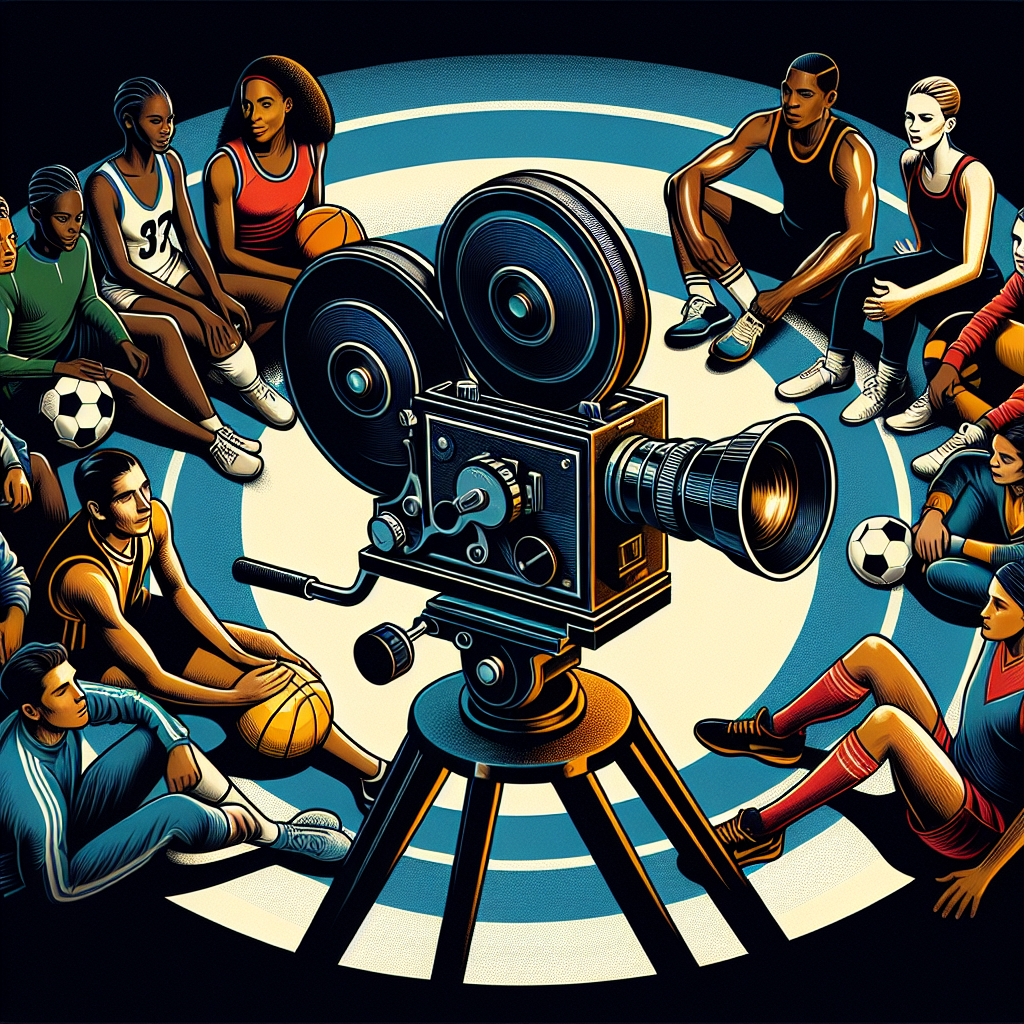
The realm of sports documentaries is a captivating frontier that has seen remarkable growth and evolution over the years. As of 2025, the art of storytelling in sports documentaries has transformed into a powerful medium that communicates not just the highs and lows of athletic endeavors but intricately weaves the compelling narratives of the athletes, the grit of competition, and the profound societal implications. Mastering this art is essential for filmmakers who want to elicit genuine emotions and foster a deeper connection with their audience, emphasizing the human experience within the world of sports.
The Importance of Narrative Structure in Sports Documentaries
Narrative structure plays a crucial role in shaping the viewer’s experience of sports documentaries. A well-defined structure is akin to a roadmap that guides audiences through the ups and downs of a sporting journey. The three-act structure, often employed in storytelling, is especially effective in this genre. The first act introduces the athlete and their initial struggles, laying the groundwork for an emotional investment. The second act presents challenges, conflicts, and a descent into adversity, while the third act often contains the triumphs that come from perseverance and hard work. This structure allows viewers to recognize patterns of resilience and ultimately rewards them with catharsis, creating a sensation that prolongs their connection with the subject matter.
Key documentaries like “The Last Dance” focusing on Michael Jordan and the Chicago Bulls provide textbook examples of how narrative structure shapes viewer engagement. By intertwining personal anecdotes with historical context, the filmmakers effectively illustrate not just the victories but the deep emotional experiences players navigated. In recent years, audiences have gravitated towards documentaries that provide not just entertainment but also profound insights into the complexities of athletic life. Thus, a thoughtful approach to narrative structure is indispensable for anyone looking to create impactful sports documentaries.
<h2<Character Development: Building Relatability in Sports Documentaries
Character development in sports documentaries is pivotal, particularly in creating relatability between the audience and the athletes. By delving into the personal lives, hardships, triumphs, and failures of sports figures, filmmakers can make their subjects more than just athletes; they become multidimensional people with relatable experiences. A filmmaker’s ability to humanize subjects can significantly impact how audiences perceive and connect with the story. This involves showcasing not only the athletes’ successes but also their vulnerabilities, fears, and the sacrifices they make along the way.
The rise of social media has also contributed to character development, as athletes today are more accessible than ever through their platforms. Documentaries can blend personal narratives with real-time social media updates, allowing viewers to see how athletes cope with fame, pressure, and public scrutiny. Documentaries like “Athlete A,” which follows the story of gymnasts who faced abuse, delve deep into the character backgrounds of the subjects, fostering empathy and understanding. Through such efforts, filmmakers can accentuate common human experiences and create narratives that resonate deeply with audiences, making the art of storytelling vital in sports documentaries.
Visual Storytelling: The Power of Cinematography in Sports Documentaries
Cinematography holds the power to elevate storytelling in sports documentaries from mere visual accounts to exhilarating emotional experiences. Through skillful camera work, lighting, and innovative editing techniques, filmmakers can capture the raw intensity and emotion of athleticism. The strategic use of slow-motion, close-ups, and aerial shots can effectively heighten dramatic moments, making viewers feel as if they are experiencing the event themselves. As technology advances, filmmakers have access to tools like drones and 360-degree cameras, allowing them to capture sports from unique perspectives, enhancing the storytelling experience.
Moreover, color grading and visual effects can significantly affect the tone of a documentary. A gritty, darker color palette might emphasize hardship, while vibrant colors can evoke triumph and joy. By carefully considering visual elements—ranging from the hearty celebrations after a winning goal to the somber expressions following defeat—filmmakers can use visual storytelling as a vehicle to convey emotional depth. Documentaries like “Free Solo,” which showcases not only the physical challenges of rock climbing but also the psychological hurdles of the climber, Alex Honnold, exemplify how cinematography can beautifully complement storytelling and create a gripping visual narrative.
In 2025, with the advent of virtual reality (VR) technology, the landscape for visual storytelling in sports documentaries continues to evolve. Filmmakers are beginning to experiment with interactive documentaries that allow viewers to choose their perspectives and engage in a more participatory experience. This innovative approach provides a fresh frontier for storytelling, transforming how audiences connect with sporting tales.
Sound Design and Music: The Unsung Heroes of Sports Documentaries
While visuals play a significant role in engaging viewers, sound design and music are often considered the unsung heroes of storytelling in sports documentaries. The right soundtrack can elevate emotional storytelling, helping to underscore moments of tension, triumph, or despair. Carefully chosen musical scores can guide the audience through a rollercoaster of emotions. This is particularly true in sports documentaries, where the air of anticipation, excitement, or disappointment can be amplified through music.
Sound design encompasses everything from ambient noises during competitions to voiceovers and interviews that enhance the narrative. Effective sound design can immerse audiences in the environment, allowing them to feel the intensity of a packed stadium, the silence of a lone athlete at practice, or the camaraderie in a locker room. Filmmakers have the ability to evoke nostalgia or anticipation through sound choices, making it crucial to the overall experience.
Documentaries released in recent years, like “Icarus” and “The Dawn Wall,” have shown the importance of impactful sound. Through clever use of music and strategic audio layering, these documentaries have created environments that draw viewers in and invoke strong emotions. In 2025, the fusion of sound engineering with sports storytelling can lead to innovative formats where music composition directly interacts with the narrative, creating a wholly unique viewing experience.
Cultural Context and Societal Impact: Shaping Narratives in Sports Documentaries
The cultural context in which sports documentaries are developed adds rich layers of meaning to the narrative. Sporting events often reflect broader societal issues, including race, class, inequality, and personal identity, making them fertile ground for storytelling. By embedding cultural aspects into the narrative, filmmakers can provide commentary on deeply rooted societal issues, provoking thought and inspiring change. This practice adds an additional layer of depth, encouraging viewers to engage with the documentary from a broader perspective.
Documentaries such as “The Last Dance,” which explores not only Michael Jordan’s career but also the cultural shifts occurring in America during the 90s, highlight how sports can act as a microcosm of society. The film’s narrative doesn’t just focus on basketball; it delves into race relations, commercialism, and the personal struggles of high-profile athletes. In 2025, the emphasis on cultural context is especially relevant as social justice movements gain momentum, encouraging filmmakers to explore how sports intersect with activism and societal change.
Furthermore, the way different cultures perceive sports also influences documentary narratives. Storytelling in sports documentaries is global, and filmmakers must consider various cultural perspectives to resonate with international audiences. Exploring diverse cultural landscapes enriches the storytelling, allowing filmmakers to present a more comprehensive view of the sports world. Through sensitive, informed narratives, documentary filmmakers can bridge cultural divides and foster empathy among global audiences.
Conclusion
The art of storytelling in sports documentaries is an intricate interplay of narrative structure, character development, visual storytelling, sound design, and cultural context. In 2025, the evolution of this genre continues to push boundaries, enriching the viewer’s experience and connecting them deeply with both the athletes and the sports they love. As filmmakers harness technological advancements and embrace complex narratives, sports documentaries will remain a vital platform for storytelling, influencing not just sports culture but society at large.
In summary, mastering the art of storytelling in sports documentaries requires an understanding of narrative techniques, character arcs, visual approaches, sound design, and cultural significance. By skillfully weaving together these elements, filmmakers can create powerful narratives that resonate, inspire, and provoke thought in audiences around the world.
FAQs
What are the key elements of storytelling in sports documentaries?
The key elements of storytelling in sports documentaries include strong narrative structure, character development, visual storytelling, sound design, and cultural context. These components work together to create engaging and emotional narratives that resonate with viewers.
How do cinematography and visual storytelling enhance sports documentaries?
Cinematography enhances sports documentaries by using camera angles, lighting, and innovative techniques to capture the intensity and emotions of athletic events. Visual storytelling provides viewers with a more immersive experience and conveys the themes and mood of the narrative.
Why is character development important in sports documentaries?
Character development is vital in sports documentaries because it humanizes athletes, making them relatable to the audience. By sharing their personal stories of triumph and adversity, filmmakers foster empathy and a deeper connection between the viewer and the subject matter.
How does sound design affect the overall impact of a sports documentary?
Sound design affects the impact of a sports documentary by enhancing emotional engagement through music, ambient sounds, and voiceovers. A well-crafted audio experience can intensify key moments, influence audience emotions, and create a lasting impression.
What role does cultural context play in sports documentaries?
Cultural context shapes the narrative of sports documentaries by reflecting broader societal issues and themes. By embedding these elements into the story, filmmakers can provoke thought, evoke discussion, and inspire change, making the documentaries more relevant and impactful.