The Olympic Spirit: Stories of Sportsmanship and Unity
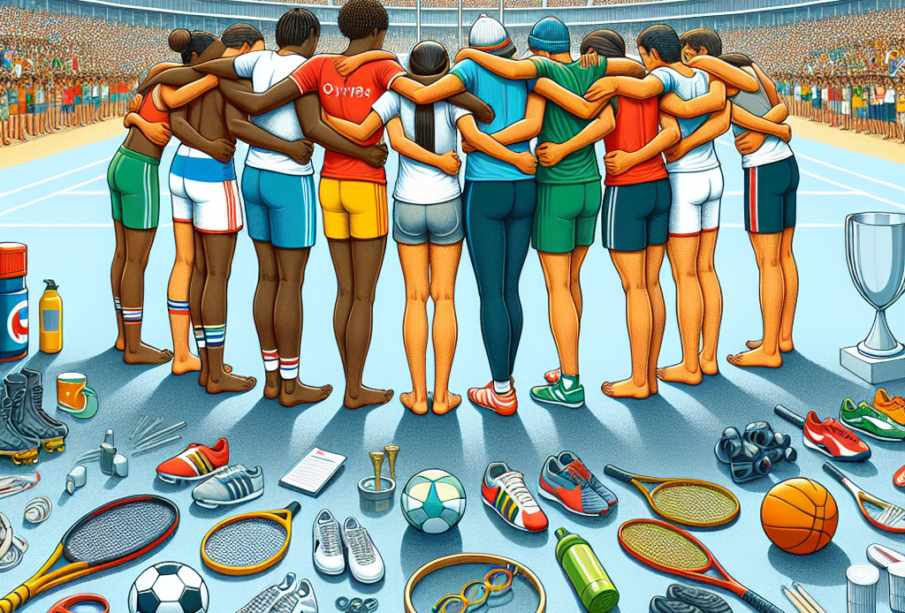
The Olympic Spirit: Stories of Sportsmanship and Unity encapsulates the essence of the Olympic Games, showcasing not just the competition but also the deeper values of camaraderie, respect, and human connection. As the world comes together every four years to witness extraordinary athletic achievements, it becomes evident that the Olympic spirit transcends competition, weaving a narrative of unity among diverse cultures. This article explores the various facets of sportsmanship and the moments that have defined the Olympic spirit through remarkable stories, pushing the boundaries of what it means to be an athlete.
The Olympic Spirit: A Historical Perspective
The Olympic Games have a profound history that dates back to ancient Greece. Initially held in Olympia in 776 BC, these games were not merely athletic contests; they were a demonstration of peace, unity, and respect among the city-states of Greece. Athletes from warring factions would halt their conflicts during the Games, fostering a spirit of cooperation that laid the groundwork for modern understanding of international sportsmanship. As the Olympics evolved over centuries, this spirit of peace became a cornerstone of the modern Olympic movement, which was revived by Pierre de Coubertin in 1896. The goal was to promote not just athleticism, but the idea of camaraderie among nations.
In the modern era, the Olympic spirit continues to echo the same values found in its ancient form. During the 2021 Tokyo Olympics, delayed due to the global pandemic, this sense of unity was palpably felt. Athletes carried the stories of resilience, showcasing their determination to overcome obstacles and embody the quintessential Olympic values of excellence, friendship, and respect. More than just a competition, the Olympics became a platform for athletes to demonstrate their shared human experience, bringing nations together in the face of adversity.
Defining Moments of Sportsmanship in Olympic History
Throughout Olympic history, instances of extraordinary sportsmanship have left an indelible mark on the Games, underscoring the spirit of unity and collaboration. One of the most significant moments occurred during the 1968 Mexico City Olympics when American athletes Tommie Smith and John Carlos raised their fists in a Black Power salute while standing on the podium after winning gold and bronze medals in the 200 meters. Their act was a powerful statement against racial injustice, showcasing how athletes can use their platform to advocate for social change. This moment not only defined their legacy but created a ripple effect, inspiring future generations to speak out against inequality.
Another inspiring instance took place during the 2000 Sydney Olympics. At the 1500m semi-finals, South African runner Héctor E. Ayala collapsed, and despite his fierce competition, fellow runner John Stephen Akhwari of Tanzania stopped to help him, ensuring he finished the race. Akhwari finished last but won a standing ovation for his display of compassion. This moment perfectly embodies the Olympic spirit, reflecting the noble concept that sometimes, the true victory lies in support and solidarity rather than medals and records.
The Role of Unity in the Olympic Movement
The Olympic Games serve as a significant platform to demonstrate unity among nations, fostering an environment where athletes from various backgrounds compete yet unite under the Olympic flag. The Olympic charter stipulates that sports should be free from politics and discrimination, promoting a peaceful coexistence that is essential in today’s polarized world. The 2020 (held in 2021) Olympics highlighted this unity, with the introduction of the Refugee Olympic Team, allowing athletes displaced from their home countries to share their experiences and challenges. Their stories resonated beyond the sports arena, transforming lives and cultures through a collective journey toward hope and resilience.
Moreover, the Olympics have increasingly included various initiatives to promote gender equality and inclusivity. The 2025 Youth Olympic Games in Dakar is set to feature a record number of female athletes, showcasing the International Olympic Committee’s commitment to empowering women in sports. Such efforts underscore the importance of diversity in dialogue and participation, further solidifying the notion that sports serve as a unifying front, breaking down barriers of culture, gender, and nationality.
To truly encapsulate the Olympic spirit, one needs to understand the importance of regional and cultural representation. At the 2024 Paris Olympics, athletes from different corners of the globe will tell their tales, sharing their unique traditions and values while competing fiercely for glory. Such cultural exchange enriches the experience for both competitors and spectators, proving that sports embody the epitome of human connection, transcending geographic and political boundaries.
Olympic Legacy: Inspiring Future Generations
The legacy of sportsmanship and unity in the Olympics is not only present during the Games but continues to inspire future generations. Initiatives such as the Olympic Ambassador Program encourage young athletes to embody the principles of respect and fairness in their sporting careers. By sharing stories and experiences, Olympic athletes foster a sense of responsibility among youth, illustrating how sports can change lives and communities. This initiative emphasizes that the Olympic values should extend far beyond the tracks and fields and into the heart of society.
The impact of the Olympic spirit is also reflected in global cooperation beyond simply sports. Through international collaborations and partnerships, nations can acknowledge their differences while working towards creating positive environments for youth through sports. For instance, the Olympic Truce initiative, which encourages a ceasefire during the Games, underscores the potential for dialogue amid conflict, reinforcing the belief that collaboration is possible even where divisions exist. Young global citizens influenced by the Olympic spirit stand as advocates for peace, setting the groundwork for a more unified future.
Additionally, the Olympic spirit reinforces the idea of lifelong engagement in sports as a community-building tool. Programs in schools and local communities encourage participation in sports, fostering teamwork, discipline, and resilience among children and young adults. The aim is to create a culture of sportsmanship that mirrors the values exhibited during the Olympic Games, motivating not just athletes but entire generations to embrace respect, friendship, and mutual support.
Looking Ahead: The Future of Sportsmanship and Unity in the Olympics
As we look towards the future, particularly the upcoming 2026 Winter Olympics in Milan-Cortina, it’s crucial to sustain the Olympic spirit that champions sportsmanship and unity. The world continues to face challenges and divides that can be bridged through the values enshrined in the Olympics. As new generations of athletes emerge, the expectations for them to carry the Olympic torch of unity are greater than ever. Embracing the concepts of inclusivity and advocacy, the celebration of sports becomes a platform for addressing global issues.
The emergence of technology and social media has also transformed how athletes connect with each other and their audience. Platforms like Twitter, Instagram, and TikTok allow athletes to share their training, personal stories, and messages of solidarity in real-time. These channels not only foster a sense of community among athletes but also allow fans to engage meaningfully with the Olympic movement. As such, future Olympians are empowered to use their influence constructively, echoing the sentiments of sportsmanship and human connection beyond the confines of the stadium.
Furthermore, the global pandemic has introduced significant changes to the landscape of athletic competition. Innovations, such as virtual competitions and hybrid events, are likely to shape future Olympic Games, making them even more accessible to participants and audiences worldwide. The potential for a wider reach can help further the narrative of unity, ensuring that the Olympic spirit resonates across borders and backgrounds, who are collectively tuned into the values of perseverance and respect.
In conclusion, The Olympic Spirit: Stories of Sportsmanship and Unity highlight a legacy that is not simply marked by medals but is characterized by human connection, integrity, and the power of sports to influence change. As athletes continue to inspire and motivate us, the narrative of the Olympics remains an unwavering testament to our capacity for unity and resilience in the face of adversity.
FAQs
What is the significance of the Olympic spirit?
The Olympic spirit embodies ideals such as sportsmanship, unity, respect, and friendship, aiming to foster connections among athletes and nations, transcending rivalry.
How has sportsmanship been exemplified in Olympic history?
Notable moments of sportsmanship include Tommie Smith and John Carlos’s protest in 1968 and John Stephen Akhwari’s act of helping a fellow competitor in 2000, showcasing compassion over competition.
What initiatives promote unity in upcoming Olympic Games?
The Refugee Olympic Team and increased participation of women athletes are examples of initiatives promoting unity and inclusivity, aiming to represent diverse backgrounds and experiences.
How do future Olympics address global issues?
Future Olympics, through their initiatives and platforms, aim to tackle global issues like inequality, conflict, and climate change, emphasizing the role of sports in advocacy and community building.
How can the Olympic spirit influence future generations?
By promoting values of respect, teamwork, and fairness in sports, the Olympic spirit inspires young athletes and communities to create positive change and foster unity beyond borders.