The Anatomy of Political Corruption: Understanding Its Root Causes
Introduction
Political corruption is an intricate web woven from various socio-political and economic factors. As we navigate through 2025, the global political landscape remains fraught with challenges, highlighting the urgent need to understand the anatomy of political corruption. By dissecting its root causes, we can take significant steps towards eradicating this ailment that plagues governments around the world. The study of corruption not only reveals the mechanisms through which it operates but also fosters a deeper understanding of its consequences on society and governance.
Understanding Political Corruption: Definitions and Forms
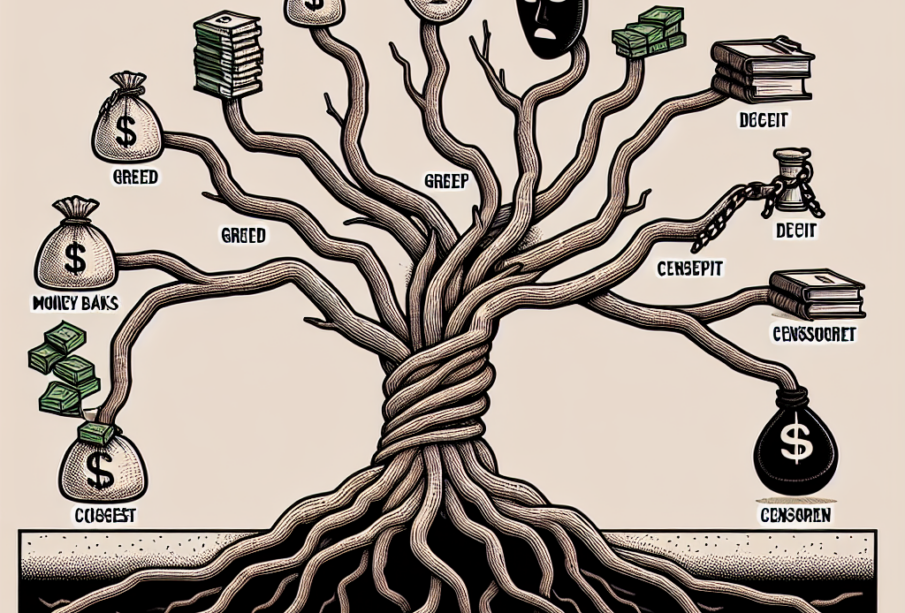
Political corruption is characterized by the misuse of power by government officials for illegitimate private gain. This broad definition encompasses various forms, including bribery, embezzlement, nepotism, and favoritism. Bribery involves offering, giving, receiving, or soliciting something of value to influence the actions of an official in their public capacity. Embezzlement refers to the misappropriation of funds placed in one’s trust, while nepotism is when officials favor relatives or friends in professional decisions. Favoritism can manifest in various administrative processes where personal relationships unjustly influence outcomes.
The various forms of political corruption disrupt the balance of governance and erode public trust. In today’s interconnected world, the repercussions extend far beyond individual nations. Corruption undermines democracy, perpetuates inequality, and stunts economic growth. As we explore the root causes of political corruption, it is vital to understand the specific cultural, legal, and institutional contexts that cultivate such behavior. The prevalence of corruption varies by region and is shaped by historical legacies, political systems, and the level of societal engagement in governmental processes.
The Legal and Institutional Context of Political Corruption
The legal framework governing political conduct significantly influences the prevalence of corruption in a given society. Strong legal frameworks that promote transparency, accountability, and checks and balances can deter corrupt practices. However, in many countries, weak legal institutions and inadequate enforcement mechanisms create an environment where corruption can thrive. Corrupt officials often exploit loopholes in the law, rendering existing regulations ineffective. The lack of independence in the judiciary and law enforcement further exacerbates the issue, as corrupt officials may evade justice through systemic manipulation.
Institutional corruption often arises from a lack of accountability within government agencies. When public institutions are not held accountable for their actions, it generates a culture where unethical behavior becomes normalized. This situation is compounded in nations with a history of political instability, where institutional frameworks may be compromised or even co-opted by powerful interests. Developing robust institutions that uphold the rule of law and promote ethical standards is vital to mitigating the risk of political corruption.
The Socioeconomic Factors Behind Political Corruption
Socioeconomic disparities are significant drivers of political corruption. In societies with high levels of poverty and inequality, citizens may resort to corrupt means as a survival strategy. For example, individuals may bribe officials to access basic services, thereby perpetuating a cycle of corruption. This situation creates a belief that corruption is a necessary evil for those who feel marginalized and powerless. Consequently, such social dynamics can lead to widespread acceptance of corrupt practices, undermining the integrity of governance systems.
Moreover, the relationship between economic development and political corruption is complex. In many emerging economies, rapid growth without the accompanying institutional development can create ripe conditions for corruption. As markets open up, and wealth is generated, the potential for greed and manipulation increases. A study conducted in 2025 revealed that countries that experience rapid economic growth often see an uptick in political corruption if adequate regulatory measures are not instituted. Thus, for economic initiatives to be sustainable, they must be underpinned by transparent governance and a commitment to reducing corruption.
The Role of Culture in Political Corruption
Cultural norms and values play a significant role in shaping attitudes toward corruption. In societies where bribery and favoritism are normalized, individuals may perceive corrupt practices as acceptable, thus perpetuating the cycle of corruption. Cultural relativity often glosses over unethical behavior, painting it as a customary practice rather than a criminal act. For instance, in certain cultures, personal relationships may take precedence over formal procedures, leading to an ingrained acceptance of nepotism and corruption.
Education and awareness can alter these perceptions, fostering a culture of accountability and transparency. Engaging citizens and promoting civic responsibility can lead to a collective rejection of corrupt practices. In 2025, several countries have launched educational initiatives aimed at raising awareness about the adverse effects of corruption on democracy and economic development. These programs are crucial in nurturing a new generation that values ethical governance, thus laying the groundwork for reducing political corruption in the long run.
Globalization and Political Corruption
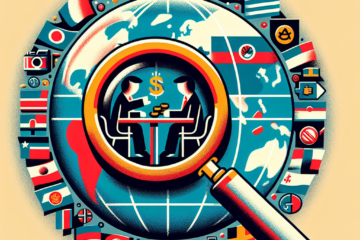
Globalization has revolutionized the way nations interact, but it has also given rise to unique challenges in combating political corruption. The interconnected nature of the global economy means that corrupt practices in one country can have far-reaching consequences. For instance, transnational corporations may resort to bribery to secure contracts in foreign markets, perpetuating a cycle of corruption that crosses borders. In 2025, many international regulatory bodies are stressing the importance of cooperative frameworks to tackle corruption on a global scale, advocating for stronger laws and collaborative investigations.
Additionally, as societies become more integrated through technology and communication, the opportunity for corrupt activities can increase. Cyber corruption, which includes online bribery and the misuse of public resources through digital platforms, is a growing concern. Governments must adapt their approaches to address these changing dynamics, ensuring that regulations keep pace with the evolving nature of corruption. By utilizing technology to enhance transparency and accountability, policymakers can play a proactive role in curbing corrupt practices in an increasingly globalized world.
Conclusion
The anatomy of political corruption is complex, revealing the interplay of various factors that contribute to its occurrence. Understanding the root causes—from legal and institutional frameworks to cultural norms and socio-economic conditions—is crucial in the fight against corruption. As we move further into 2025, it is imperative that both citizens and governments cultivate a collective commitment to transparency and integrity. By addressing the fundamental causes of corruption, nations can protect democracy, enhance governance, and promote equitable economic growth. The path to eliminating political corruption is challenging, but with concerted efforts and global cooperation, it is not insurmountable.
FAQs
What are the main forms of political corruption?
The main forms of political corruption include bribery, embezzlement, nepotism, favoritism, and graft. Each involves the abuse of power for personal gain and can manifest in various ways within governmental systems.
How does political corruption affect economic development?
Political corruption creates a barrier to economic development by discouraging investment, increasing the cost of doing business, and perpetuating inequality. It can lead to the misallocation of resources and stunted growth due to a lack of trust in institutions.
What steps can be taken to combat political corruption?
Combating political corruption requires a multi-faceted approach, including enforcing stringent laws, promoting transparency, fostering civic engagement, and reforming institutions to enhance accountability and integrity in governance.
How does culture influence political corruption?
Culture shapes attitudes towards corruption; societies where corrupt practices are normalized may see higher levels of acceptance. Education and civic engagement can help shift these cultural perceptions toward a more ethical governance model.
What role does globalization play in political corruption?
Globalization can exacerbate political corruption by facilitating transnational corruption schemes and making it easier for corrupt practices to cross borders. However, it also provides opportunities for international cooperation and regulatory frameworks to combat corruption more effectively.