Harnessing Visualization Techniques to Improve Sports Outcomes
Introduction
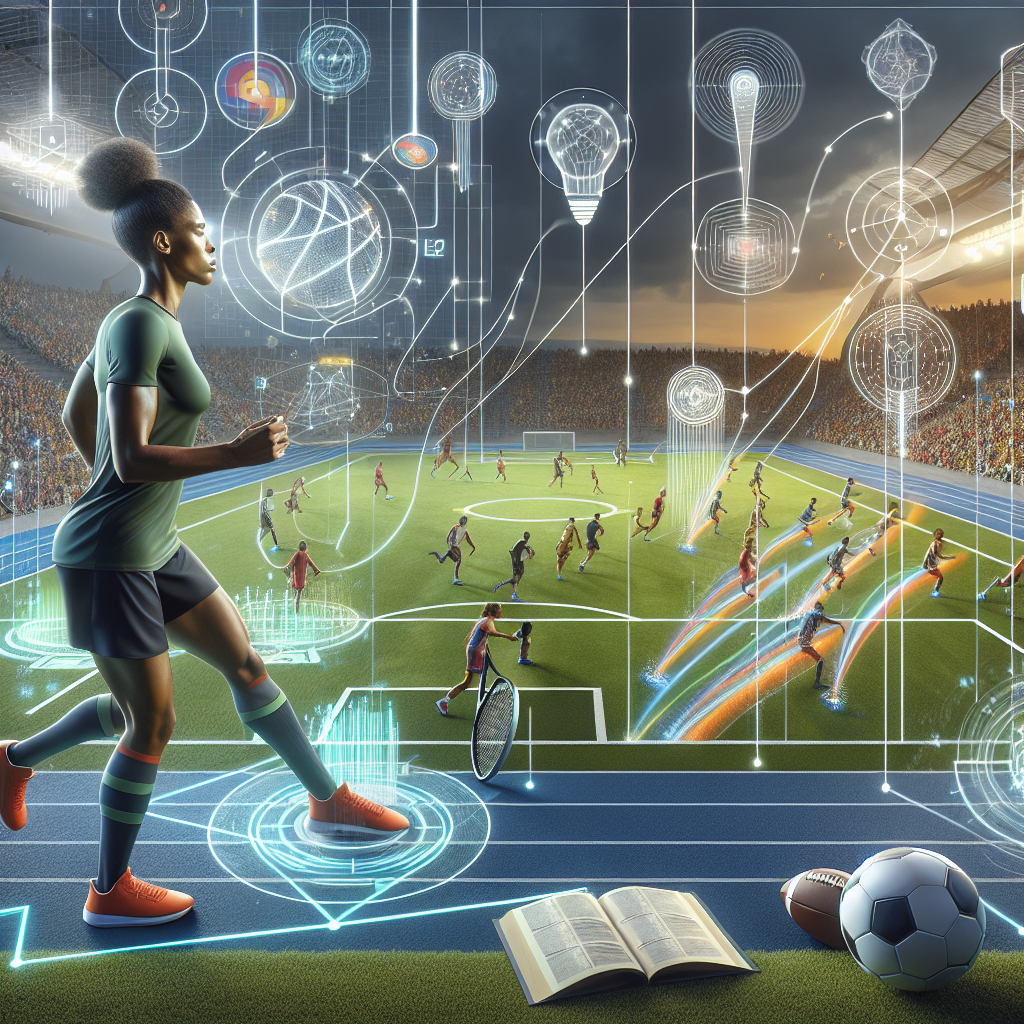
In the fast-paced world of sports, athletes are constantly seeking ways to enhance their performance and achieve greater outcomes. One powerful strategy gaining traction in 2025 is harnessing visualization techniques to improve sports outcomes. Visualization is a mental training tool that involves creating vivid mental images of success, which can lead to enhanced focus, confidence, and overall performance. As athletes and sports teams increasingly adopt this technique, it’s becoming clear that mastering the art of visualization can make the difference between victory and defeat.
The Science Behind Visualization Techniques in Sports
Visualization techniques are deeply rooted in psychological research, showcasing how mental imagery can significantly impact physical performance. Studies indicate that when athletes visualize themselves executing a skill successfully, they activate the same neural pathways as when they physically perform the action. This means that mental rehearsal can enhance muscle memory and motor skills, leading to improved real-world outcomes. By systematically incorporating visualization into their training regimens, athletes can experience increased confidence, reduced anxiety, and heightened focus during competitions.
Moreover, visualization doesn’t merely serve as a rehearsal tool but also plays a crucial role in mental conditioning. In 2025, sports psychologists emphasize the importance of integrating these techniques into everyday training. This involves not only picturing the execution of skills but also envisioning routines, strategies, and even overcoming obstacles. The practice of daily visualization can fortify an athlete’s mental resilience, preparing them for the challenges that lie ahead. As a result, athletes who engage in consistent visualization often report improved performance and a greater sense of control during high-stakes competitions.
Effective Visualization Strategies for Athletes
To truly harness the power of visualization, athletes must adopt specific strategies tailored to their unique sports and personal preferences. One effective method is the guided imagery technique, where athletes mentally walk through competitive scenarios under the guidance of a trained professional or a self-directed script. This guided experience helps in vividly imagining success, fostering a sense of accomplishment and readiness. Moreover, using multisensory cues — such as smells, sounds, and feelings associated with successful performances — can deepen the impact of the visualization experience, thereby solidifying the connection between mental imagery and physical execution.
Another promising strategy is the use of visualization journals. Athletes can maintain a journal to document their visualization sessions, noting not only the scenarios they envision but also their emotional states and physical responses. This practice encourages reflection and allows for adjustments in technique for subsequent sessions. In 2025, many top athletes are integrating technology into this process, using apps to record their visualization experiences and track their performance metrics over time. This innovative approach creates a feedback loop that enhances self-awareness and promotes growth, ensuring athletes remain focused on their goals.
The Role of Coaches in Enhancing Visualization Skills
Coaches play an essential role in fostering a culture of visualization within their teams. By introducing visualization techniques into training programs, coaches can empower athletes to leverage their mental skills alongside physical abilities. In practice, this could involve incorporating visualization sessions into regular training, where athletes visualize not only their individual roles but also their team dynamics during competition. Such collaborative visualization strengthens team cohesion and builds a shared vision of success, ultimately translating into enhanced performance on the field.
Furthermore, coaches must also be adept at guiding athletes on how to adopt a positive mindset when visualizing. The mental imagery should reflect realistic achievements while simultaneously encouraging a growth mindset that embraces challenges. In 2025, innovative training for coaches includes workshops focused on shared best practices for visualization, emphasizing the pivotal link between mental preparation and performance outcomes. By creating an environment supportive of visualization techniques, coaches can elevate their athletes’ performance levels significantly, demonstrating that mental training is as critical as physical training.
Common Challenges in Visualization and How to Overcome Them
Despite the numerous benefits of visualization techniques, athletes often face challenges in effectively incorporating them into their training. One common obstacle is the inability to maintain focus during visualization sessions. Distractions, whether from external environments or internal dialogues, can hinder the effectiveness of mental imagery. To address this, athletes can cultivate mindfulness practices such as meditation or breathing exercises, enhancing their ability to concentrate during visualization. Additionally, setting a dedicated space and time for visualization, free from distractions, can lead to more productive sessions.
Another significant challenge is the tendency to visualize negative outcomes, which can create a sense of anxiety and self-doubt. Athletes may unwittingly conjure images of failure rather than success, undermining their confidence. To counter this, it’s essential to reinforce positive imagery by selecting specific moments of past successes to visualize or utilizing affirmation techniques that embed positive beliefs into visualizations. In 2025, psychological tools, such as cognitive-behavioral strategies, are increasingly being employed by sports psychologists to preemptively identify and mitigate negative thought patterns, paving the way for constructive visualization experiences.
The Future of Visualization Techniques in Sports Training
As we move further into 2025, the integration of advanced technologies into sports visualization techniques is becoming a reality. Virtual reality (VR) and augmented reality (AR) are emerging as powerful tools that allow athletes to experience high-pressure scenarios within controlled environments. These technologies provide immersive experiences that enhance the effectiveness of visualization, enabling athletes to mentally rehearse various competitive situations with precision. At the intersection of sports and technology, VR and AR not only bolster muscle memory but also allow for immediate feedback, refining performance even further.
Moreover, personalized visualization practices are gaining prominence thanks to advancements in artificial intelligence. Coaches and sports psychologists are increasingly utilizing AI-driven analytics to tailor visualization techniques to individual athletes based on their performance data. These innovations allow for more nuanced understanding and segmentation of athletes’ mental and physical profiles, paving the way for highly customized visualization strategies. In this dynamic landscape, athletes are being empowered to take ownership of their mental training, facilitating a proactive approach to optimizing their performance.
Conclusion
Harnessing visualization techniques to improve sports outcomes is gaining recognition as an essential element of athletic training. As we approach the end of the 2025 season, athletes who prioritize mental conditioning alongside their physical development are likely to lead the pack. From understanding the science behind visualization techniques to employing effective strategies and overcoming challenges, the integration of visualization into sports training is a promising frontier. With the ongoing role of coaches and the promising future facilitated by technology, the potential for athletes to harness visualization effectively has never been greater.
FAQs
What is visualization in sports psychology?
Visualization in sports psychology refers to the practice of creating mental images of successful performance which can help athletes improve their focus, confidence, and overall performance.
How can visualization techniques help in competitive sports?
Visualization techniques help athletes rehearse their skills mentally, which activates the same neural pathways as actual performance, improves muscle memory, reduces anxiety, and builds confidence.
What are some common challenges athletes face with visualization?
Common challenges include difficulty maintaining focus during sessions and the tendency to visualize negative outcomes, which may lead to anxiety. Mindfulness practices and positive imaging can help alleviate these issues.
Can visualization replace physical practice?
While visualization is a powerful tool, it should complement rather than replace physical practice. The most effective performance enhancement comes from a combination of mental and physical training.
How can coaches implement visualization techniques in training programs?
Coaches can integrate visualization by including it as part of regular training routines, guiding athletes through imagery exercises, and nurturing a positive mindset for effective visualization practices.