How Robotics is Shaping the Future of Sports Training

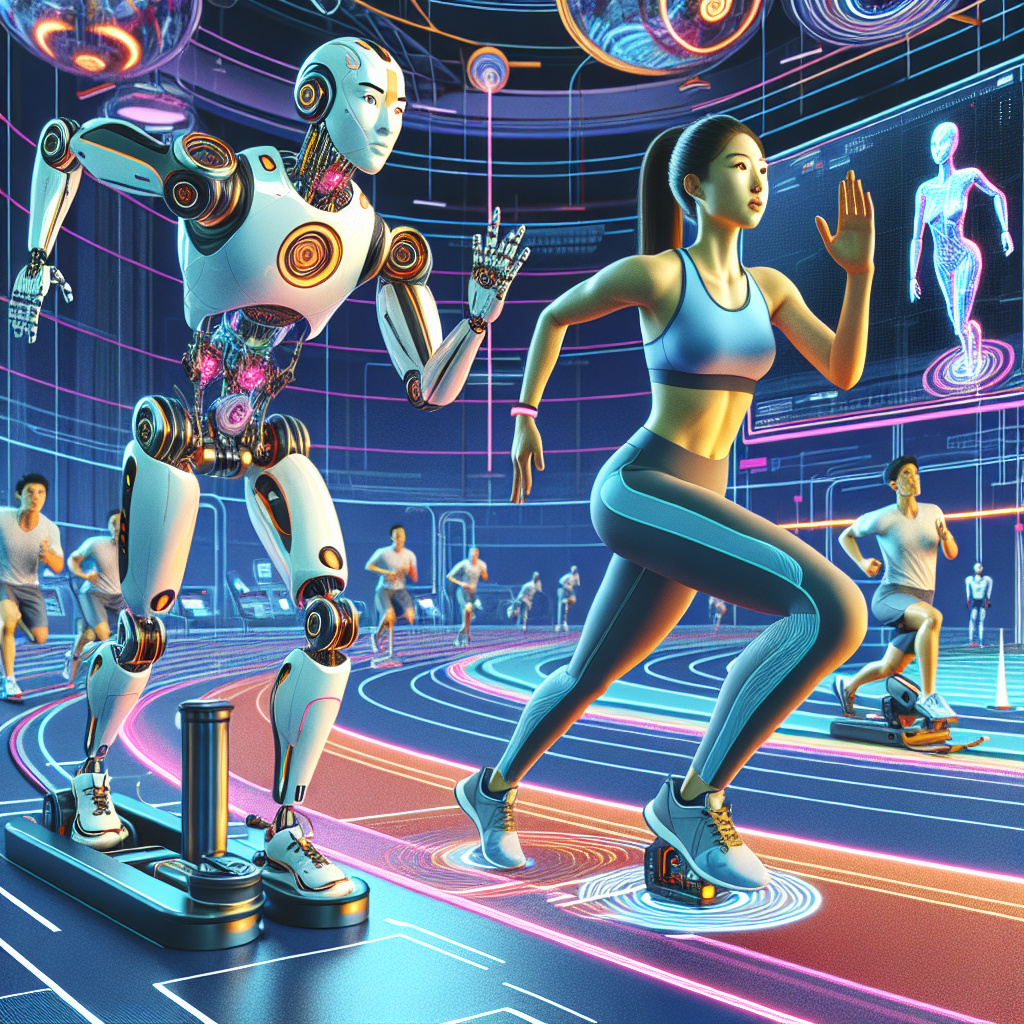
How Robotics is Shaping the Future of Sports Training
In the dynamic world of sports, continuous advancement is key to maintaining peak performance and competitiveness. The advent of robotics is revolutionizing sports training, paving the way for innovative methods to enhance athlete performance. By leveraging cutting-edge robotic technologies, trainers and athletes are now able to analyze, simulate, and improve performance with unprecedented accuracy. As we look into 2025, it’s clear that robotics is not just an enhancement but a fundamental transformation in how athletes train, preparing them for the challenges of modern sports.
Revolutionizing Training Techniques with Robotics
The integration of robotics in sports training represents a significant leap from traditional methods. Through advanced robotics, athletes can engage in precision drills that were previously unimaginable. These systems can simulate real-game conditions, allowing athletes to practice specific scenarios repeatedly. For instance, robotic arms are employed to mimic opponents’ movements, helping athletes refine their reaction times and strategic responses. By adjusting parameters like speed and difficulty, trainers can create customized training programs that meet the specific needs of each athlete.
Moreover, wearable robotic devices and exoskeletons are also gaining traction within the sports community. These devices are designed to enhance strength and mobility, providing athletes with the support needed to execute complex movements with enhanced power and reduced risk of injury. This blending of human capability with robotic assistance not only raises the physical bar for athletes but also fosters a safer training environment. Athletes can train longer and harder without the concern of overexertion or injury, as robotic systems are designed to adapt to the user’s capabilities.
Data-Driven Insights for Performance Optimization
One of the most powerful aspects of robotics in sports training is the ability to gather and analyze vast amounts of data. Robotic wearable devices equipped with sensors can track numerous performance metrics, such as speed, heart rate, and muscle exertion levels, in real-time. This data provides trainers with deep insights into an athlete’s performance, enabling them to make informed decisions about training regimens. In 2025, we see a proliferation of AI-driven analytics that sift through this data to identify patterns and predict outcomes, allowing athletes to train more efficiently.
Furthermore, robotic systems are capable of real-time feedback during training sessions. For instance, some advanced training modules offer immediate corrections on an athlete’s technique, which can significantly decrease the time required to master a skill. By utilizing advanced visual and auditory cues, robots can communicate effectively with athletes, guiding them towards optimal performance. This immediacy in feedback creates an environment that fosters rapid learning and adaptation.
Enhancing Rehabilitation and Recovery in Sports
Injuries are an unfortunate reality in the world of sports, but robotics is also transforming the rehabilitation process. Robotic rehabilitation systems specializing in physical therapy help athletes recover from injuries more effectively. These systems utilize precise movements and monitoring technologies to ensure that rehabilitation exercises are performed correctly and safely. By analyzing athletes’ movements during recovery, therapists can modify rehabilitation programs in real-time to promote faster and more effective healing.
Additionally, robotic athletic trainers can simulate resistance and offer guided workouts that are tailored specifically to the athlete’s recovery needs. For example, robotic devices may automatically adjust resistance levels based on real-time readings of muscle tension, ensuring that the workload is always optimal. This data-driven, customizable approach to rehabilitation minimizes the risk of re-injury and accelerates the path back to peak performance.
Moreover, the psychological aspect of recovery is significant. The presence of robotic rehabilitation companions provides emotional support and motivation to athletes during their recovery journey. Knowing that they are supported by advanced technology can boost athletes’ morale, leading to a more positive mindset and a greater willingness to engage in their recovery protocols.
Innovative Coaching Tools through Robotics
As coaching evolves, the role of robotics in delivering effective training strategies has become increasingly relevant. Robots are being used to automate the repetitive tasks involved in coaching, allowing human coaches to focus more on strategic planning and athlete development. With robotic systems capable of executing drills autonomously, coaches can oversee multiple athletes simultaneously, enhancing training efficiency.
Additionally, coaching robots equipped with AI are emerging as valuable tools for personalizing training experiences. With the ability to analyze an athlete’s performance metrics, these robots can adjust training programs based on individual performance and potential. This tailored approach replaces the one-size-fits-all strategy that traditional coaching often employed, thereby optimizing the development of each athlete’s skills.
Furthermore, the integration of virtual and augmented reality with robotics facilitates immersive training experiences. Coaches and athletes can engage in simulated environments where they can practice against virtual opponents, creating scenarios that test strategic thinking and enhance tactical awareness. This combination of robotics and immersion is pushing the boundaries of traditional sports training and redefining how athletes prepare for competition.
The Future of Sports Training: Ethical Considerations and Accessibility
As robotics becomes more prevalent in sports training, it’s crucial to consider the ethical implications of these advancements. Issues such as the accessibility of technology, fairness in competition, and the potential physical and psychological effects on athletes must be addressed. In 2025, discussions surrounding regulatory frameworks for robotic training tools are gaining traction, focusing on ensuring that technology serves to enhance fairness and equity in sports.
Moreover, accessibility remains a pressing concern. The initial costs associated with advanced robotic technologies can be prohibitive for many athletes and training programs. However, as technology evolves and becomes more widespread, there is hope that these innovations will become more affordable and accessible to a broader range of athletes, from amateur levels to elite professionals.
In addition, embracing advanced robotics training can help promote inclusivity within sports. For athletes with disabilities, specialized robotic systems can provide opportunities to train and compete at levels previously thought unattainable. By continuing to push the boundaries of what is possible with robotics, the sports community can foster equal opportunities for all athletes, regardless of their physical abilities.
Conclusion
In summary, the emergence of robotics is fundamentally reshaping sports training in ways that enhance performance, optimize recovery, and create more efficient coaching methods. As we progress through 2025, we can anticipate an increase in the integration of robotics across all levels of sports, providing athletes with tools they need to succeed. While there are ethical considerations around accessibility and competition fairness, the benefits of integrating robotics into sports training are undeniable. This ongoing evolution promises to redefine how athletes prepare for competition, pushing the envelope further in pursuit of excellence.
FAQs
1. What types of robots are used in sports training?
Robots such as training simulators, robotic arms for skill practice, exoskeletons for strength enhancement, and rehabilitation robots for injury recovery are commonly used in sports training.
2. How does robotics enhance athletic performance?
Robotics enhances athletic performance by providing precise data analysis, real-time feedback, custom training programs, and simulated conditions that allow athletes to refine their skills.
3. Are robotic training systems suitable for all sports?
While most sports can benefit from robotic training systems, the specific application may vary. Sports like basketball, soccer, and tennis have seen significant advancements, while others may still be in exploration stages.
4. What role do AI and data play in robotic sports training?
AI helps analyze performance data collected by robotic systems, allowing for personalized coaching strategies and immediate feedback during training sessions, optimizing athletes’ development.
5. Can robotics be beneficial for athletes recovering from injuries?
Yes, robotic rehabilitation systems aid in recovery by ensuring exercises are performed correctly and effectively, reducing the risk of reinjuries and speeding up the rehabilitation process.