Sports Performance: The Intersection of Genetics and Training
Introduction
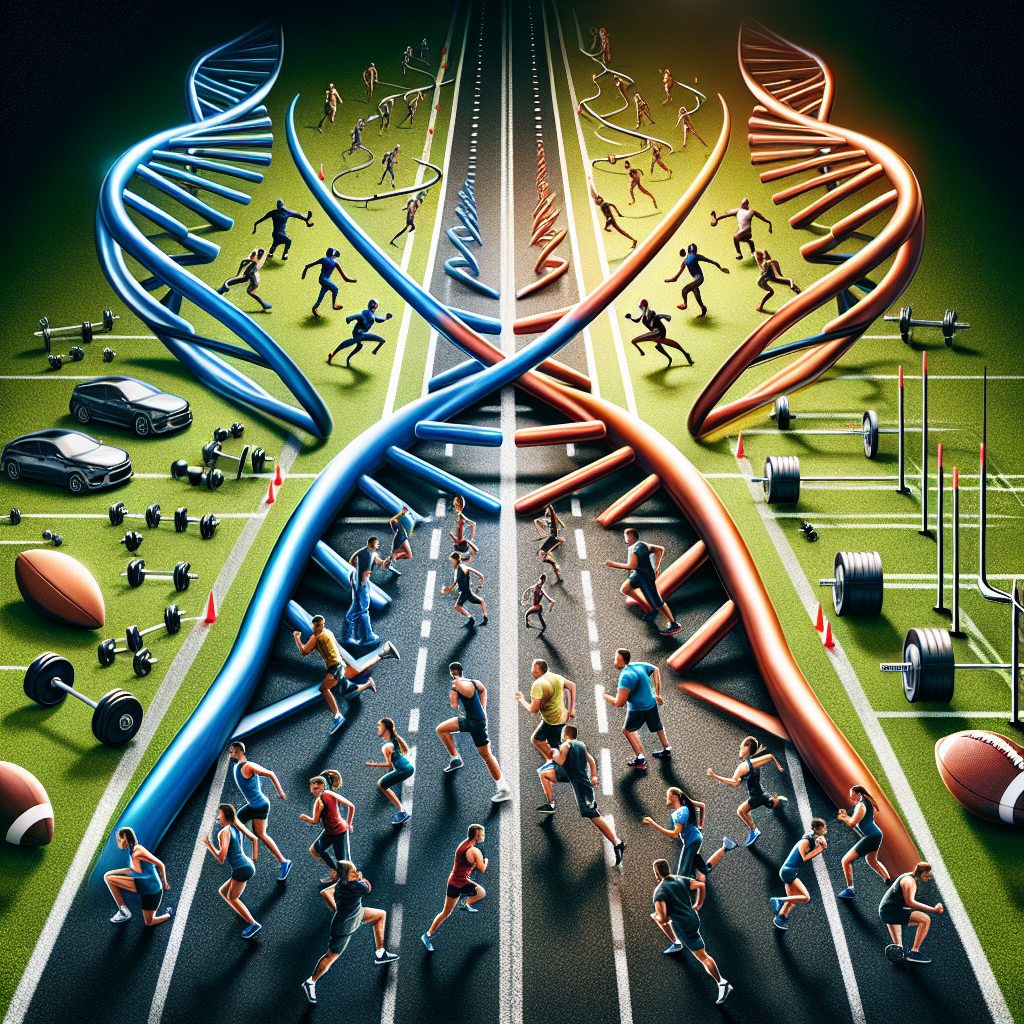
In the ever-evolving world of sports performance, the intricate relationship between genetics and training has garnered tremendous attention. As sports science continues to advance, understanding how genetic predispositions and training techniques work together to enhance athletic performance remains a crucial area of research. From elite athletes aiming for Olympic glory to weekend warriors seeking personal bests, the dynamics of how genetics and training converge play a significant role in achieving excellence in sports performance.
The Role of Genetics in Athletic Performance
Genetics forms the foundation for many physical traits that contribute to athletic ability. Certain genetic markers can provide insights into an athlete’s predisposition for endurance, power, or overall physical prowess. For instance, research has identified specific genes, such as ACTN3, that are linked to fast-twitch muscle fiber distribution. Athletes with a higher prevalence of this gene are often found to excel in explosive sports like sprinting or weightlifting due to their muscle composition, which favors quick, powerful bursts of energy. Conversely, slow-twitch muscle fibers are associated with endurance activities like marathons and cycling, indicating that the genetic background plays a substantial role in shaping an athlete’s suitability for specific sports disciplines.
Moreover, genetic variations can influence recovery rates, cardiovascular efficiency, and even adaptability to various training regimens. This biological variability explains why two athletes undergoing the same training program may achieve different results. Some may thrive, experiencing rapid improvements in their performance, while others struggle to make significant gains. The understanding of these genetic predispositions is critical for coaches and sports professionals, who can tailor training programs to better suit the individual needs of athletes, ultimately leading to a more effective path to peak performance.
The Science of Training Adaptation
Training adaptation is a dynamic process that involves physiological changes in the body as it responds to increased physical demands. When athletes engage in specific training regimens, their bodies undergo structural and functional adaptations, enabling them to perform at higher levels. The principles of progressive overload, specificity, and recovery are pivotal in designing effective training programs that maximize athletic output. For example, a well-structured strength training program progressively increases resistance, prompting muscle fibers to adapt by growing stronger and larger over time.
Additionally, the concept of training volume and intensity is vital for optimizing performance and preventing injury. Too much intensity without adequate recovery can lead to overtraining syndrome, characterized by fatigue, decreased performance, and a higher risk of injuries. Consequently, recognizing how different athletes respond to various training stimuli—particularly in conjunction with their genetic backgrounds—is essential for creating optimal training plans that promote long-term growth and performance improvements.
The Interaction Between Genetics and Training
The interplay between genetics and training can be likened to a finely tuned machine, where both components need to function harmoniously for peak performance. The impact of genetic factors on training outcomes often reveals why personalized training plans are becoming more prevalent in modern sports science. Customized programs that account for individual genetic profiles allow athletes to leverage their strengths while mitigating the impact of their weaknesses. For instance, athletes identified as having a genetic predisposition for endurance may benefit from a training plan emphasizing aerobic conditioning, while those with a strength-oriented genetic profile may focus on power-based training.
Emerging technologies, including genetic testing and data analytics, are reshaping how athletes and coaches approach training. In 2025, these tools have become increasingly accessible, enabling more athletes to gain insights into their genetic predispositions. By leveraging this information, coaches can make informed decisions about training strategies, leading to improved performance outcomes. This integration of genetics and training not only empowers athletes but also fosters a deeper understanding of what it takes to excel in their respective sports.
Furthermore, research is exploring the influence of environmental factors on genetic expression, often referred to as epigenetics. Training can lead to changes in gene expression, ultimately altering how the body adapts to physical stressors. This understanding suggests that while genetics provide a framework for athletic potential, the right training environment can unlock hidden capabilities, making the relationship between genetics and training even more complex yet fascinating.
The Future of Personalized Training Techniques
As we progress further into 2025, the future of personalized training techniques is looking more advanced than ever. With the advent of wearable technology, data collection is at an all-time high, enabling athletes and coaches to track performance metrics in real-time. This data-driven approach allows for immediate adjustments to training regimens based on individual responses, such as heart rate variability, fatigue levels, and performance outcomes. This continuous feedback loop ensures that athletes are training optimally and can adapt their techniques based on both genetic predispositions and physical responses.
Moreover, biomechanical analysis and virtual reality training are emerging as significant tools in the sports performance toolkit. Through meticulous analysis of movement patterns, coaches can identify areas for improvement and refine techniques that align with an athlete’s unique biomechanical profile. Additionally, virtual reality training environments can simulate competition scenarios, allowing athletes to practice and perfect their skills in a controlled setting that takes their personal abilities into account.
As research progresses, the potential for integrating genetic insights with psychological factors, such as motivation and mental resilience, is gaining traction. Understanding how genetic predispositions might influence an athlete’s mindset and response to challenges will create a holistic approach to training that encompasses both physical and mental components, ensuring that athletes are well-equipped to handle the pressures of competitive sports.
The Impact of Nutrition and Recovery on Performance
While genetics and training are pivotal in determining sports performance, nutrition and recovery figure prominently in the equation as well. Nutritional strategies tailored to individual genetic profiles can enhance performance and overall health. For instance, some athletes may metabolize carbohydrates more efficiently, while others may thrive on a higher fat diet. Personalized nutrition plans that consider genetic predispositions can optimize energy levels, recovery times, and even immune function, thus providing a more comprehensive approach to sports performance.
Recovery protocols also hinge on genetic factors. Emerging research suggests that genetic markers can indicate how well an athlete recovers from intense training sessions. Personalized recovery strategies, which may include tailored hydration plans, sleep optimization techniques, and even specific recovery modalities like massage or cryotherapy, can bolster performance by ensuring athletes are ready for the next training cycle. In 2025, ongoing research is further uncovering how genetic testing can guide recovery protocols, helping athletes recover faster and more effectively.
Finally, the synergy between nutrition, recovery, genetics, and training sets the stage for a new era in sports performance. Athletes who can proactively address each aspect of their regimen are better positioned to push their limits and achieve their goals. As these approaches continue to evolve, it’s clear that the future of sports performance lies in a personalized framework that embraces the complex interplay between genetics, training, nutrition, and recovery.
Conclusion
The intersection of genetics and training reveals a compelling landscape for understanding sports performance. As we delve into 2025 and beyond, the advancements in genetic research, personalized training approaches, and nutritional strategies continue to reshape the athletic world. By recognizing the fundamental role genetics plays and leveraging tailored training regimens, athletes can unlock their full potential, setting new standards in performance across sports disciplines. With the ongoing integration of cutting-edge technology and research, the future holds promising possibilities for maximizing athletic success.
FAQs
What are the key genetic factors influencing sports performance?
Key genetic factors include muscle fiber composition, cardiovascular efficiency, and metabolic responses to training. Specific genes, like ACTN3, can indicate predispositions for different athletic characteristics.
How can athletes leverage their genetic information for better performance?
Athletes can utilize genetic testing to inform tailored training and nutrition plans that align with their unique strengths and weaknesses, maximizing their potential in specific sports.
What role does nutrition play in sports performance in relation to genetics?
Nutrition plays a crucial role in maximizing athletic performance, and personalized nutrition plans based on genetic profiles can optimize energy levels, recovery, and overall health.
How do recovery strategies differ based on genetic predispositions?
Genetic predispositions can affect how quickly and effectively athletes recover, allowing for personalized recovery strategies that may include tailored hydration, sleep optimization, and the use of specific recovery modalities.
How is technology shaping the future of personalized training?
With the rise of wearable technology and data analytics, athletes can receive real-time feedback on performance metrics, facilitating immediate adjustments to training protocols for maximum effectiveness.