The Evolution of Performance Monitoring Wearables

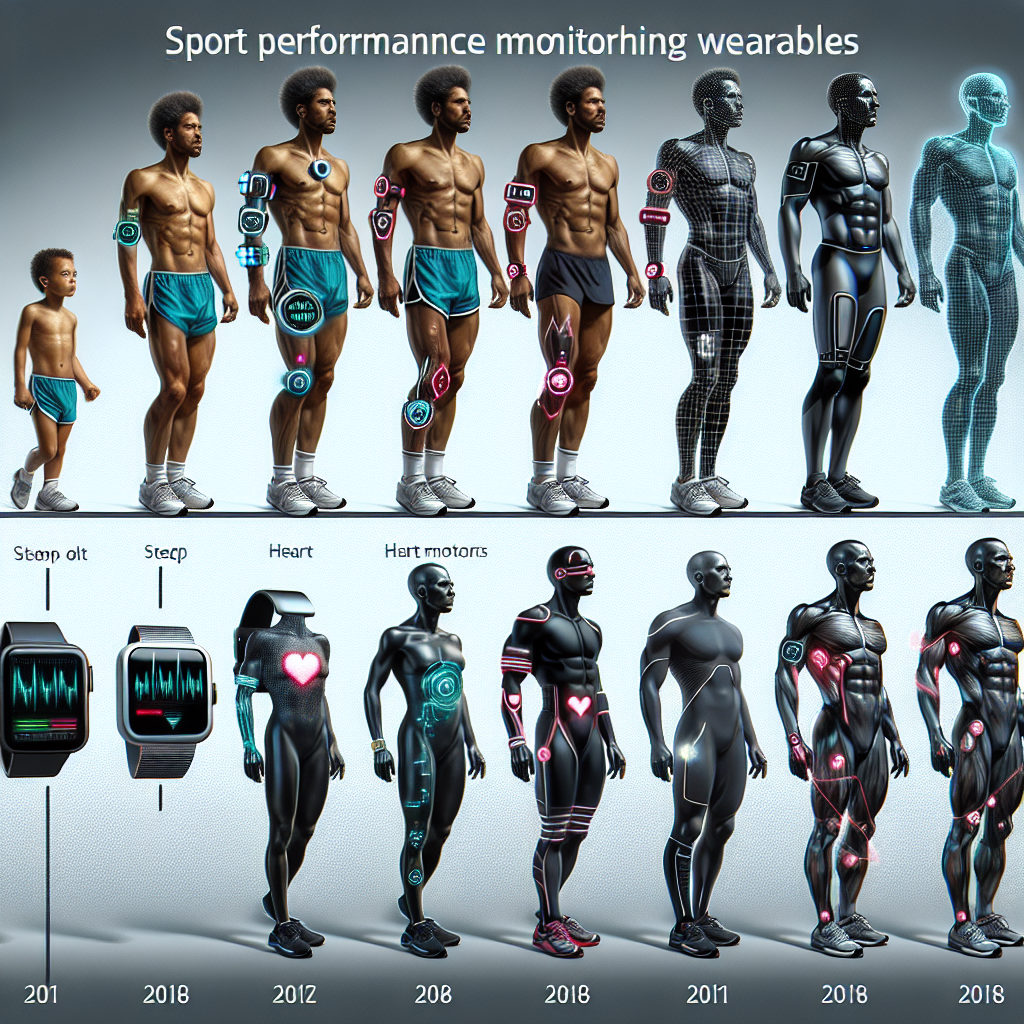
The world of performance monitoring wearables has experienced a profound evolution over the past few decades. As of 2025, these devices have transformed from simple fitness trackers into sophisticated tools that monitor various health metrics and enhance athletic performance. This article takes you through the journey of performance monitoring wearables, highlighting key advancements, emerging technologies, and their impact on health and fitness.
The Rise of the Fitness Tracker: A New Era in Wearable Technology
The inception of fitness trackers in the early 2000s set the stage for the evolution of performance monitoring wearables. These devices initially offered basic features, such as step counting and calorie tracking, appealing primarily to fitness novices. Companies like Fitbit pioneered this market, introducing devices that were user-friendly and accessible to a wider audience, which sparked significant interest in personal health management. By integrating Bluetooth technology, these early wearables connected seamlessly to smartphones, allowing users to track their progress in real-time and encouraging a more active lifestyle.
As the appeal of fitness trackers grew, manufacturers focused on enhancing device functionality. The introduction of heart rate monitoring, sleep tracking, and GPS capabilities transformed these gadgets into comprehensive fitness assistants. These innovations enabled users to gain deeper insights into their physical health and performance, fostering a culture of fitness enthusiasm that persisted through the years. As technology progressed, wearables became more sophisticated, including features such as VO2 max estimates, blood oxygen level tracking, and advanced workout analytics, setting the stage for the next leap in performance monitoring devices.
The Impact of Smartwatches on Performance Monitoring
As the wearables market matured, smartwatches emerged, offering a remarkable convergence of fitness tracking and mobile technology. Leading tech giants like Apple and Samsung released smartwatches that boasted vibrant screens and a wide range of applications beyond fitness. This meant that users could not only monitor their workouts but also receive notifications, control music, and utilize various apps, all from their wrists. The multitasking ability of smartwatches significantly broadened the consumer base, making these devices attractive to non-athletes who still sought to monitor their overall health.
In 2025, smartwatches have evolved further, now integrating advanced sensors capable of physiological monitoring that goes beyond traditional metrics. Current models can assess stress levels through heart rate variability, conduct electrocardiogram (ECG) tests, and monitor hydration levels. Such features allow users to make informed decisions about their health and fitness regimens. Furthermore, the incorporation of artificial intelligence allows these wearables to provide personalized workout recommendations, adapting in real-time to a user’s performance and recovery, which enhances the overall effectiveness of training programs.
Integration of AI and Data Analytics in Wearables
In recent years, the role of artificial intelligence (AI) and data analytics has been pivotal in optimizing performance monitoring wearables. These advancements allow for the collection and analysis of vast amounts of data, empowering users with informed insights about their health. By utilizing machine learning algorithms, modern wearables can identify patterns in user behavior and physiological responses over time, providing tailored feedback for improved performance. This capability is especially beneficial for athletes aiming to fine-tune their training regimens and maximize their competitive edge.
Advanced analytics also enable predictive modeling, which can forecast potential health issues based on historical data. For instance, wearables equipped with AI can assess training loads and recovery patterns, predicting when an athlete may be at risk of overtraining or injury. Additionally, user interfaces have improved, allowing for intuitive dashboards that summarize complex data in understandable formats. This ensures that users, whether amateur enthusiasts or elite athletes, can easily interpret their metrics to make informed decisions regarding their training and overall health.
Wearables are not limited to personal use; their integration into professional sports has revolutionized performance monitoring. Teams and coaches utilize these devices to gather real-time data during training and competitions, allowing for a strategic approach to performance enhancement. In 2025, we see wearables playing a significant role in sports analytics, helping professionals gain insights into player performance and recovery, thus elevating the standard for athletic excellence.
The Future of Performance Monitoring Wearables
As we look ahead to the future of performance monitoring wearables, several trends are emerging that are expected to shape the landscape significantly. One of the most promising areas is the development of biowearables, devices that monitor physiological parameters through non-invasive methods, such as skin sensors that track glucose levels or advanced biometric feedback using nano-technology. Such innovations could transform chronic disease management, making it easier for users to maintain their health in real time.
Furthermore, the market is witnessing a surge in eco-friendly wearables. As consumers become increasingly conscientious about sustainability, manufacturers are focusing on creating wearables from recyclable materials and incorporating energy-efficient technologies. This shift signals not only a commitment to environmental responsibility but also provides a unique selling point in a crowded market. Companies looking at this angle are likely to attract a growing demographic of eco-aware consumers who also prioritize health and fitness.
Additionally, the integration of social networking features in performance monitoring wearables is gaining traction. As the sense of community plays a critical role in motivating individuals, wearables with social capabilities allow users to share their achievements, challenges, and fitness milestones with friends and family. This social aspect fosters a supportive environment, encouraging consistent engagement with fitness goals and healthy lifestyles. Overall, the future of performance monitoring wearables is not only about improved technology but also about creating an interconnected community that champions health and well-being.
Performance Monitoring Wearables in Health Management
Despite their origins in fitness and athletic performance, wearables in 2025 have proven invaluable in health management. From chronic disease monitoring to preventative health care, these devices are making significant strides in how individuals approach their well-being. For instance, wearables equipped with continuous glucose monitoring have become essential for people with diabetes. This feature allows users to track their blood sugar levels in real-time and make prompt adjustments to their diet and medication, significantly improving their quality of life.
Moreover, the utility of wearables extends to mental health management. Devices can now monitor physiological indicators associated with stress and anxiety, such as heart rate and sleep patterns. With this data, users are better equipped to manage their mental well-being. Apps that accompany these wearables often provide breathing exercises and mindfulness prompts based on real-time physiological feedback, fostering a holistic approach to health that combines both physical and mental wellness.
As healthcare systems begin to embrace telemedicine and remote monitoring, wearables play a foundational role in bridging the gap between patients and healthcare providers. In 2025, many clinics utilize wearable data to conduct virtual consultations, enabling personalized treatment plans based on accurate, real-time health metrics. This fosters a proactive approach to health care, providing effective monitoring and timely interventions, which ultimately reduces hospital visits and associated healthcare costs.
Sustainability and Ethical Considerations in Wearable Technology
With the rapid advancement of performance monitoring wearables, sustainability and ethical issues have gained prominence, prompting both consumers and manufacturers to reconsider their approaches. As the wearables market flourishes, the environmental impact of producing and disposing of electronic devices is becoming a growing concern. In 2025, industry stakeholders are prioritizing sustainability by implementing circular economy principles, which involve designing wearables for longevity, repairability, and recyclability. These initiatives not only minimize electronic waste but also align with the principles of responsible consumption.
Ethical considerations also encompass data privacy and security. With wearables collecting sensitive health and personal data, the responsibility lies with manufacturers to implement stringent security measures to protect user information. In recent years, legislation related to health data protection has become more robust, ensuring that users’ data rights are upheld. Consumers are increasingly aware of how their data is used and shared, making it imperative for wearable companies to adopt transparent data policies and foster trust through secure practices.
Additionally, inclusivity in wearable technology is becoming more crucial as the market caters to diverse populations. Manufacturers are increasingly focusing on designing wearables that accommodate various body types, fitness needs, and technical literacy levels. This inclusive approach ensures that performance monitoring wearables are accessible and beneficial for everyone, promoting a healthier society across demographics and empowering individuals to take charge of their health.
Conclusion
The evolution of performance monitoring wearables has been nothing short of remarkable, transforming from basic fitness trackers into essential tools for health management and performance optimization in 2025. From the rise of smartwatches and the integration of AI and data analytics to the promising future of biowearables and sustainability initiatives, these devices continue to revolutionize personal health monitoring. As the boundaries between technology and health blur, individuals can now make informed decisions and lead healthier lives supported by advanced wearable technology.
FAQs Section
What are the main functions of performance monitoring wearables?
Performance monitoring wearables typically track various health metrics such as heart rate, sleep patterns, physical activity, and sometimes even blood oxygen levels and glucose levels. They often connect to smartphones to provide real-time feedback and insights.
How have performance wearables evolved in recent years?
In recent years, wearables have evolved from simplistic fitness trackers to sophisticated devices featuring advanced metrics and AI capabilities that provide personalized insights and feedback tailored to the user’s health and performance goals.
Are performance monitoring wearables safe to use?
Yes, performance monitoring wearables are designed with user safety in mind. However, it’s essential to follow the manufacturer’s guidelines and be cautious about data privacy, ensuring that users understand how their information is collected and managed.