The Evolution of Sport Science and Its Impact on Performance

The Evolution of Sport Science and Its Impact on Performance
The landscape of sport science has dramatically evolved over the past few decades, transforming how athletes train, psychologists approach mental fitness, and nutritionists devise eating plans. As of 2025, the integration of technology and innovative methods has revolutionized performance metrics, enhancing both athletic potential and wellness. Understanding this evolution helps us grasp how these advancements shape not only the future of professional sports but also recreational athletics.
The Foundations of Sport Science
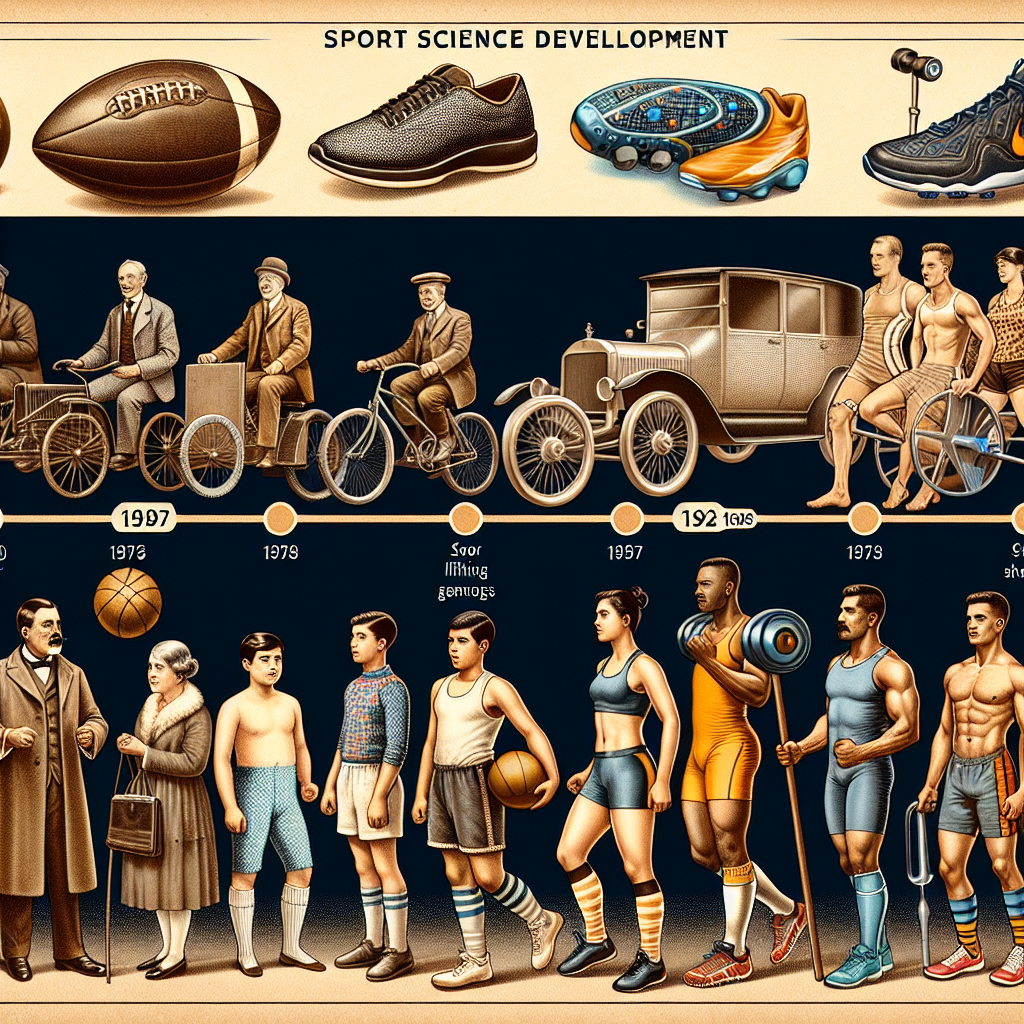
The origins of sport science can be traced back to the 19th century, when physical education began to gain recognition in academic curricula. This era laid the groundwork for a systematic approach to understanding athletic performance. Initially, sport science primarily focused on physiology and biomechanics. Researchers studied muscle function and movement mechanics, allowing coaches to optimize training regimens tailored to individual athletes.
As research evolved, disciplines such as psychology, nutrition, and sociology began to integrate into sport science. By the late 20th century, metrics of performance were not merely quantitative but also qualitative. Psychologists studied the mental aspects of sports, leading to a better understanding of stress management and motivation. This holistic approach has informed athlete training, making it clear that physical prowess alone is insufficient for peak performance.
Modern Advancements in Training Techniques
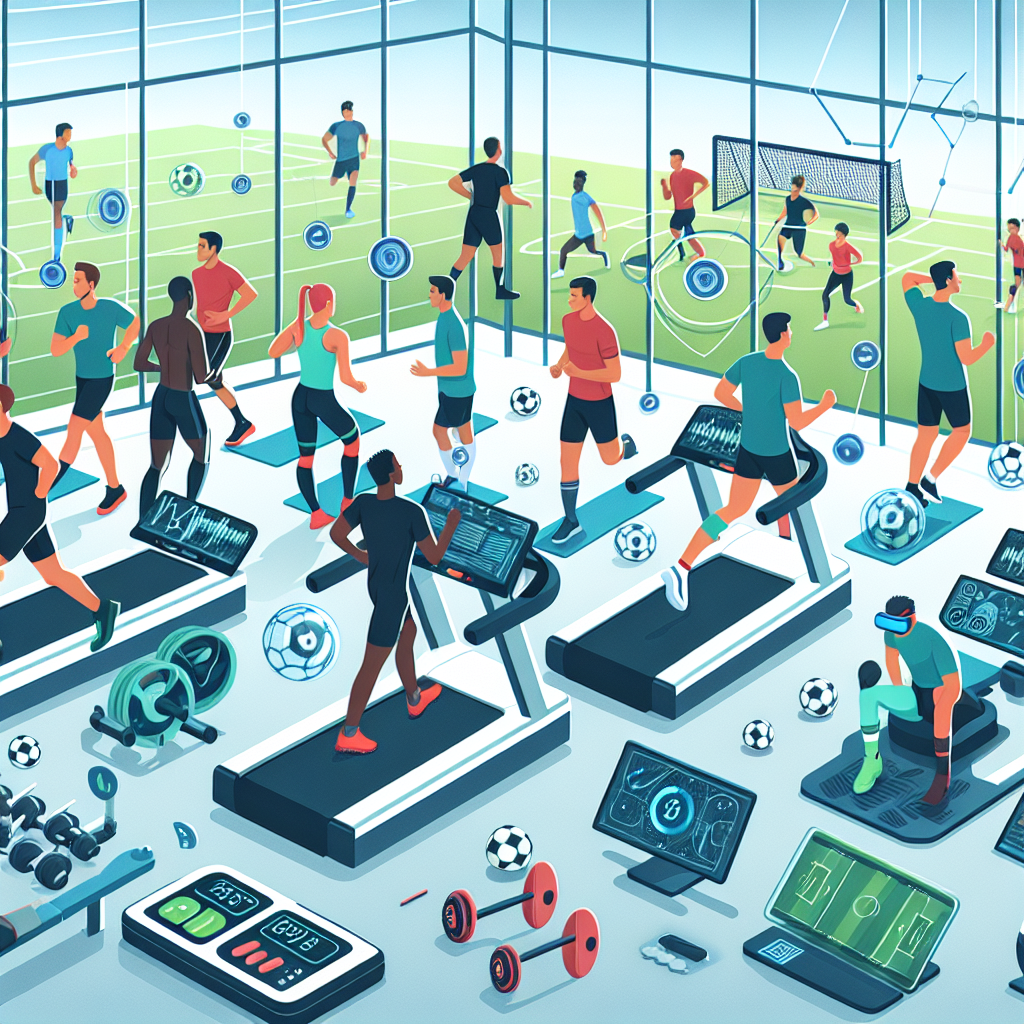
In the 21st century, wearables and high-tech equipment have completely transformed training methods. Athletes now utilize wearable technology to monitor heart rates, oxygen levels, and even sleep patterns. This data collection process provides a comprehensive overview of an athlete’s performance and recovery, enabling personalized training regimens. Coaches can analyze real-time data, making immediate adjustments to training plans that best suit individual athlete needs.
Moreover, techniques such as virtual reality (VR) training are setting new benchmarks in preparing athletes for competition. VR allows athletes to experience different environments and scenarios, enhancing their mental preparedness and tactical decision-making skills. Utilizing immersive simulations not only boosts confidence but also augments physical training, providing realistic experiences without the physical toll of traditional practice.
The Role of Nutrition in Athletic Performance
One of the most profound evolutions in sport science is the recognition of nutrition as a cornerstone of athletic performance. Personalized nutrition plans are now common, relying on the unique metabolic needs of each athlete. These custom diets help optimize performance while ensuring quicker recovery times. Nutritionists use advanced technology, such as DNA testing and metabolic profiling, to create tailored strategies that fuel performance.
As we move into 2025, the trend of plant-based diets among athletes is gaining traction. Research continues to show that well-structured plant-based diets can improve energy levels and recovery while reducing inflammation. The plant-based movement also emphasizes sustainability, aligning athletic choices with environmental consciousness—an increasingly important factor in our modern world. This holistic view of health and performance aligns with the principles of sport science, demonstrating that what we consume is just as important as how we train.
Psychology and Mental Training in Sport Science
Mental resilience is increasingly recognized as a critical component of athletic success. Sport psychology has evolved into a vital discipline, focusing on strategies to enhance mental toughness, improve focus, and manage stress. The role of mental training, such as visualization techniques and mindfulness practices, has become mainstream among top athletes. These methods train the mind in much the same way athletes train their bodies, ensuring that they can perform confidently under pressure.
As of 2025, the introduction of mental health resources within sport organizations underscores the importance of mental well-being in athletic performance. Programs aimed at reducing stigma and providing professional support are becoming standard in all sports realms, from grassroots to elite competitions. Not only does this foster a healthier sporting culture, but it also allows athletes to prioritize their mental health without fear of repercussions, ultimately optimizing performance.
Technology’s Influence on Performance Analysis
The incorporation of analytics in sports has changed how performance is evaluated. Advanced video analysis and motion capture technologies allow coaches to scrutinize every movement of athletes, providing insights that were previously impossible to obtain. These analytical tools assess biomechanics in real-time, improving techniques and reducing injury risks by highlighting flaws in movements.
Artificial intelligence (AI) plays a pivotal role in performance analysis as well. Coaches and trainers can now leverage predictive analytics to forecast training outcomes, athlete fatigue, and injury risks based on historical data. This shift from post-performance analysis to predictive insights empowers coaches to make data-driven decisions, optimizing both training and game strategy while ensuring athletes stay in peak condition throughout the season.
The Future of Sport Science: Trends to Watch
As we venture further into 2025, the future of sport science is heavily intertwined with advancements in technology and data science. Innovations like blockchain are making their way into sports, ensuring secure athlete data management and contract efficiency. With the rise of e-sports, sports science will also adapt to include virtual athletes, exploring how principles of performance apply in competitive gaming.
Moreover, the focus on interconnectivity within athletic ecosystems will grow. Coaches, trainers, nutritionists, and psychologists will increasingly work together, utilizing shared platforms for a comprehensive approach to athlete management. This level of collaboration enhances the support system for athletes, fostering an environment where all aspects of performance are valued equally, extending the legacy of sport science into the realms of mental health and emotional well-being.
Conclusion
The evolution of sport science has undeniably transformed the landscape of athletic performance over the years. From foundational principles in physiology and psychology to modern advancements in technology, nutrition, and performance analysis, the multidisciplinary approach has enhanced athlete capabilities significantly. As we look toward the future, the importance of mental resilience and collaborative strategies will redefine how athletes prepare for competition, ensuring that sport science continues to have a lasting impact on performance.
FAQs
What is sport science?
Sport science is a multidisciplinary field that integrates knowledge from various domains such as physiology, biomechanics, psychology, and nutrition to improve athletic performance and overall health.
How has technology changed sport science?
Technology has revolutionized sport science through the use of wearable devices, data analytics, and virtual training environments, enabling personalized training, performance evaluation, and mental preparation.
Why is nutrition important in sports?
Nutrition provides the necessary energy and nutrients athletes need to perform at their best, aids in recovery, and helps prevent injuries. Personalized nutrition plans are essential in optimizing performance.
What role does psychology play in sports?
Psychology is crucial in sports for developing mental resilience, focus, and confidence. Mental training techniques can significantly enhance an athlete’s ability to perform under pressure.
What are future trends in sport science?
Future trends include the integration of AI and blockchain technology, improved interdisciplinary collaboration, and a greater emphasis on mental health and wellness in athlete performance.