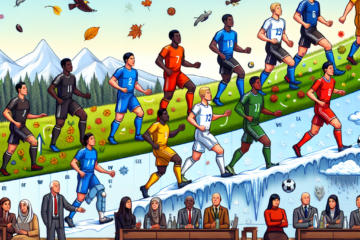
The Evolution of Sports Schedules Over the Decades


The world of sports is not just defined by the athletes and the games they play; it is also deeply influenced by the structures that support them, primarily the sports schedules. Over the decades, the evolution of sports schedules has dramatically transformed how fans engage with their favorite teams and how sports organizations operate. In this article, we will explore the profound changes in sports scheduling from the late 20th century to the present day, emphasizing the factors that have driven these changes, including advancements in technology, cultural shifts, and economic considerations.
The Historical Context of Sports Scheduling
Understanding the evolution of sports schedules requires delving into their historical roots. In the early 20th century, sports leagues operated on rigid calendars dictated by seasonal changes and local customs. For example, Major League Baseball (MLB) teams primarily played from late spring through the summer months, allowing games to be played in favorable weather conditions. Each team followed a fairly predictable routine, which helped to build a rhythm among fans and players alike.
However, as professional sports began to flourish in the mid-20th century, schedules began to adapt to the demands of an expanding audience. The introduction of television changed the game significantly; networks sought broadcasting rights, which spurred leagues to reconsider their traditional schedules. The 1970s marked a pivotal moment when the National Football League (NFL) expanded its seasons and added Monday Night Football, a game-changing strategy to cater to prime-time television audiences. This innovation set the stage for the commercialization of sports, which began to heavily influence scheduling practices.
The Impact of Television on Sports Scheduling
Television has been a driving force in the evolution of sports schedules. In the 1980s and 1990s, as cable television options surged, leagues began to rethink the timing of games to maximize viewership and advertising revenues. The NFL, for example, expanded its regular season and introduced the Wild Card playoff system, which aimed to generate interest and keep fans engaged for longer periods. Similarly, the NBA adjusted its game times to accommodate viewership trends, resulting in high-profile games being scheduled during prime-time slots.
As the new millennium approached, the growth of global sports broadcasting networks transformed viewing habits. Events like the FIFA World Cup and the Olympics began to emphasize primetime scheduling, transcending geographical boundaries to reach audiences worldwide. Consequently, leagues had to adjust their timetables to cater to fans who wanted to watch live sports at convenient times in their regions. This shift emphasized the importance of flexibility in managing sports schedules to meet the demands of a diverse global audience.
The Role of Digital Media and Streaming Services
Entering the 2020s, the digital revolution further reshaped sports scheduling. With the rise of streaming platforms, sports organizations began to prioritize flexibility and accessibility in their schedules. Fans are no longer reliant solely on traditional television broadcasts; they now expect on-demand access to games. As a result, leagues like the NBA and NHL developed partnerships with streaming services, offering exclusive content and scheduling games that catered to audiences who prefer viewing on multiple devices.
In 2025, we see leagues actively leveraging data analytics to refine their scheduling strategies. Organizations use viewer data to identify peak viewing times and adjust their schedules accordingly. By analyzing fans’ online behavior, they can predict when audiences are most receptive to game-related content, leading to more strategically placed matches. This data-driven approach reflects a significant shift in how sports schedules are created, allowing for personalization and enhanced fan engagement.
Fan Engagement and Sports Scheduling
The evolution of sports schedules also aligns closely with changing fan engagement strategies. Historically, teams predominantly focused on in-person attendance for revenue generation. However, the digital landscape has prompted a shift in priorities. In 2025, teams are focusing on creating a comprehensive fan experience extending beyond the physical stadium. Interactive features in app-based ticket purchasing, social media engagement during games, and platforms that allow fan voting on game times and events have all become integral to scheduling decisions.
Moreover, sports organizations recognize the importance of keeping fans engaged during the off-season. Flexible schedules that enable offseason tournaments and promotional events help maintain enthusiasm, especially in an era where fan loyalty can easily shift. For example, the NBA’s Summer League and the NFL’s offseason workouts are meticulously scheduled to captivate audiences and keep their favorite teams in the conversation.
Future Trends in Sports Scheduling
As we look ahead, several trends indicate how sports scheduling will continue to evolve. One major trend is the increase in international games and tournaments. Leagues are expanding their horizons, hosting matches overseas to tap into global markets. The NFL’s International Series exemplifies this focus, where regular-season games are played in cities like London and Mexico City, necessitating adjustments in game scheduling to accommodate travel and local fan engagement.
Climate change and the need for climate-conscious scheduling are also emerging as pivotal considerations. For leagues reliant on outdoor venues, the timing of games may adapt to ensure they are played during favorable weather conditions, preserving both player safety and viewer satisfaction. In 2025, teams may increasingly prioritize playing games in covered or climate-controlled environments during extreme weather periods, changing how schedules are planned.
Finally, the integration of augmented and virtual reality technologies presents exciting possibilities for the future of sports schedules. With advancements in immersive fan experiences, scheduling might evolve to include more interactive facets, such as virtual watch parties synchronized with live games. This innovation could redefine the very concept of sports timekeeping in a way that fosters community, enhancing viewer experiences while adapting to traditional schedules.
Conclusion
The evolution of sports schedules over the decades has been a fascinating journey driven by technological advancements, cultural shifts, and commercial demands. From the rigid seasonal schedules of the early 20th century to the flexible digital age of 2025, sports organizations have continually adapted to enhance fan engagement and meet the needs of a global audience. As we move forward, the trends of internationalization, environmental considerations, and emerging technologies will undoubtedly shape the future of sports scheduling, creating new opportunities and challenges for both fans and leagues alike.
FAQs
What has driven the evolution of sports schedules over the decades?
The evolution of sports schedules has been driven by several factors, including the rise of television broadcasting, advancements in digital media, and changing fan engagement strategies.
How has technology influenced sports scheduling?
Technology has influenced sports scheduling by allowing teams and leagues to analyze viewer data, optimize game times for maximum audience reach, and offer content on streaming platforms that cater to diverse viewing preferences.
What is the impact of international games on sports scheduling?
International games necessitate adjustments in scheduling to account for travel logistics and local fan engagement, expanding the reach of leagues into global markets and enhancing their audience base.
How do teams keep fans engaged during the off-season?
Teams keep fans engaged during the off-season by hosting events, interactive social media content, and tournaments that maintain interest and excitement around the team, ensuring fans remain connected year-round.
What future trends can we expect in sports scheduling?
Future trends in sports scheduling may include increased international games, climate-conscious scheduling practices, and the integration of augmented and virtual reality technologies to enhance fan experiences.