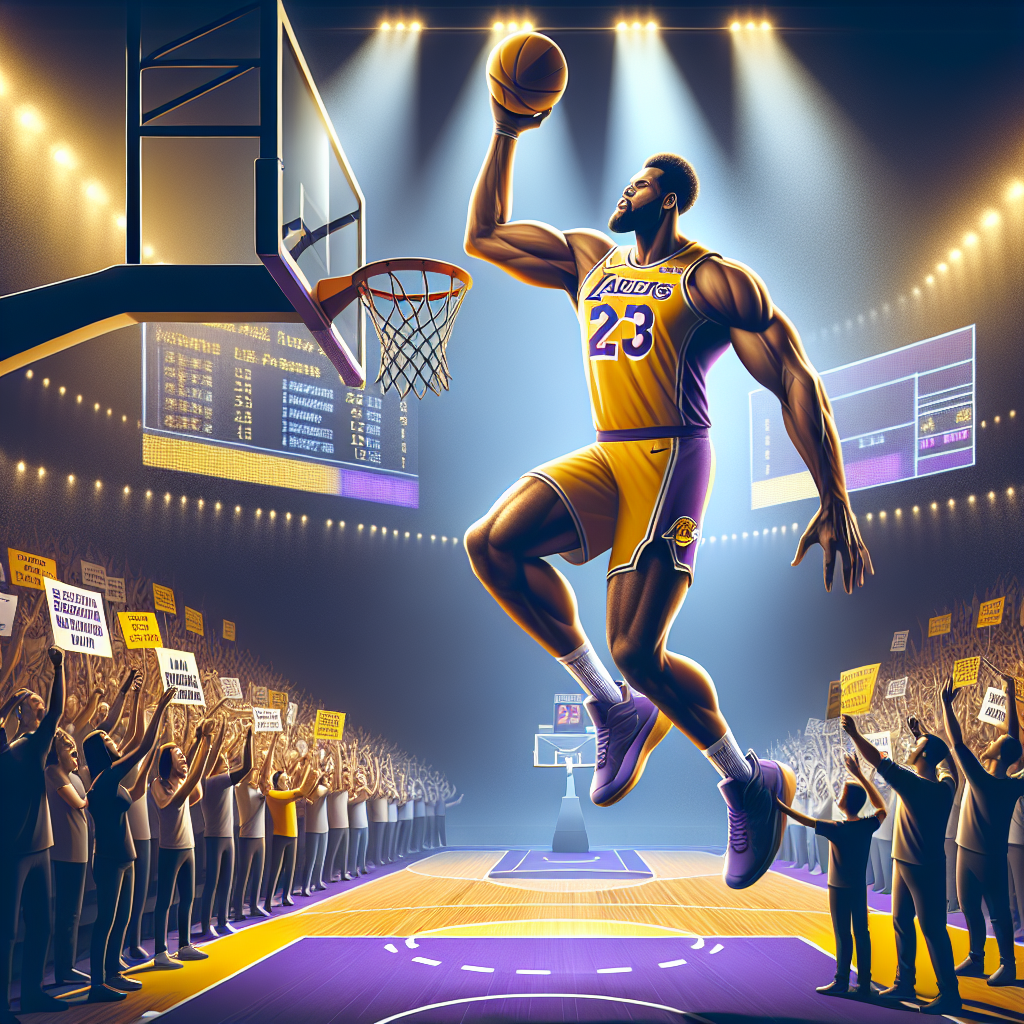
The Future of Sports Scheduling in a Post-Pandemic World

The Future of Sports Scheduling in a Post-Pandemic World
In the year 2025, the world of sports is experiencing a paradigm shift that reshapes how events are scheduled and organized. The COVID-19 pandemic exposed vulnerabilities in existing sports scheduling models and pushed stakeholders to rethink traditional practices. With advancements in technology, changes in audience behavior, and the demand for flexible options, the future of sports scheduling is set to become more dynamic, responsive, and inclusive. This article explores the various dimensions of sports scheduling in a post-pandemic world and how it affects all facets of the industry.
The Rise of Flexible Scheduling in Sports
In recent years, flexibility has become a vital aspect of sports scheduling, greatly influenced by ongoing changes in audience demand and the lessons learned from pandemic constraints. Sports leagues are shifting towards more adaptable schedules that allow for changes in response to unforeseen circumstances, such as weather disruptions, health regulations, or audience attendance levels. For instance, the use of “as-needed” scheduling allows events to be postponed or rescheduled with minimal disruption, ensuring that teams can maintain competitiveness without sacrificing fan engagement.
Moreover, the adoption of data analytics is revolutionizing how sports organizations approach scheduling. By leveraging advanced algorithms, sports leagues can analyze factors like fan demographics, geographic interest, and even climate conditions to optimize game timings. This data-driven approach helps in determining the best time slots for games, maximizing both viewership and attendance. Festivals or doubleheader games could be creatively scheduled on weekends when there is higher potential audience engagement.
Technology’s Role in Sports Scheduling
The incorporation of technology into sports scheduling marks a crucial development in the post-pandemic landscape. Artificial intelligence and machine learning are now at the forefront, enabling advanced predictive capabilities that anticipate shifts in fan behavior. This means that leagues can dynamically adjust schedules based on real-time data and feedback from fans, ensuring a responsive and engaging experience. The evolution of mobile apps and real-time notifications also enhances the spectator experience, as fans can receive instant updates regarding game timings and locations right on their smartphones.
Furthermore, virtual reality (VR) and augmented reality (AR) are redefining the viewing experience, influencing how and when fans choose to engage with sports. Organizations are experimenting with interactive scheduling formats that allow fans to vote on game times, especially for significant matchups or rivalry games. This not only augments viewer satisfaction but also drives ticket sales and in-game spending, creating a win-win scenario for franchises and fans alike.
Global Events and Cross-Regional Scheduling
Global sporting events are increasingly facing the challenge of cross-regional scheduling, which has become more complex as a direct consequence of the pandemic. Organizers are now tasked with coordinating schedules that account for time zones, team travel logistics, and varying health regulations across different countries. In 2025, the importance of streamlined scheduling for global events cannot be overstated. Major tournaments are leaning on collaborative tools that allow organizers from diverse regions to communicate efficiently and establish optimal schedules that harmonize with local customs and audience availability.
Additionally, the rise of niche sports has led to a more heterogeneous approach towards scheduling. Events like esports tournaments or extreme sports competitions are capturing the attention of younger audiences, necessitating alternative scheduling strategies that appeal to these demographics. Segmenting events based on target audience preferences is another innovative tactic being employed to improve attendance and participation rates. Sports organizations must now consider how these various factors intertwine and develop a scheduling strategy that addresses the broad spectrum of sporting interests both locally and globally.
Fan Engagement and Community-Centric Scheduling
As the sports landscape evolves, engaging fans and local communities has emerged as a fundamental facet of scheduling. By prioritizing community needs and preferences, sports teams can foster a deeper connection with their audience. Community-centric scheduling involves aligning game timings with local events, holidays, and family-friendly opportunities. This approach boosts attendance and creates a sense of belonging among fans, helping teams build loyal followings in their respective markets.
Moreover, incorporating feedback mechanisms such as surveys and polls can empower fans to voice their preferences regarding game timings and match formats. Leagues are turning to social media platforms, where they solicit fan input through polls or discussions, ultimately influencing the scheduling of future games. This participatory approach not only drives engagement but also helps in building a passionate and invested fan base that feels a genuine connection to the sport.
Sustainability in Sports Scheduling
Sustainability is becoming an increasingly important consideration in the scheduling of sporting events, driven by an awareness of environmental impact and the need to promote responsible practices. In 2025, leagues are exploring sustainable scheduling methods to reduce their carbon footprint associated with team travel and event organization. For example, scheduling games in clusters or at centralized locations allows teams to minimize travel distances while fostering fan participation and community engagement.
Additionally, organizations are implementing “green” event practices, such as utilizing renewable energy sources, waste reduction initiatives, and sustainable transportation options for fans attending games. By incorporating sustainability into scheduling, sports franchises not only contribute to global environmental goals but also resonate with a growing demographic that prioritizes eco-friendly practices. This holistic approach instills a sense of responsibility and awareness in both fans and organizations, reinforcing the significance of sustainability within the sports industry.
Conclusion
The future of sports scheduling in a post-pandemic world is shaped by adaptability, technology, community engagement, and sustainability. As we navigate 2025 and beyond, flexible scheduling is essential for addressing the new landscape of sports, where audience expectations and health considerations are paramount. Technology will continue to play a pivotal role, driving innovation in fan engagement and data analytics to optimize scheduling strategies. Global events require meticulous planning, while a focus on community-centric approaches enhances the connection between teams and their supporters.
Sustainability will also shape the future of sports scheduling, influencing decision-making processes and fostering responsible practices within the industry. Understanding and navigating these dynamics will be critical for sports organizations aiming to thrive in this rapidly evolving landscape. The journey ahead promises a more connected, responsive, and responsible sports world, enriched by the lessons learned from recent global challenges.
FAQs
1. How has the COVID-19 pandemic changed sports scheduling?
The COVID-19 pandemic forced sports organizations to reconsider traditional scheduling practices, emphasizing flexibility and adaptability to accommodate health regulations, audience demand, and logistical challenges.
2. What technology is being used to improve sports scheduling in 2025?
Sports organizations are leveraging artificial intelligence, machine learning, and predictive analytics to create adaptive scheduling models that respond to real-time data and fan preferences.
3. What is community-centric scheduling?
Community-centric scheduling involves aligning game times and events with local preferences, initiatives, and holidays to enhance fan engagement and foster a loyal community following.
4. How does sustainability factor into modern sports scheduling?
Sustainability in sports scheduling entails practices that minimize the environmental impact of events, such as reducing travel emissions, utilizing sustainable energy sources, and implementing eco-friendly event practices.
5. How can fans participate in the scheduling process?
Sports teams are increasingly soliciting fan opinions through polls and surveys conducted on social media platforms, allowing audiences to influence game times and formats, enhancing their engagement with the sport.