The Growing Influence of Green Politics Worldwide


Introduction
As we embark on 2025, the growing influence of green politics worldwide is shaping not only national policies but also influencing global dialogue on sustainable development and climate change. With the world increasingly aware of environmental crises such as climate change, biodiversity loss, and pollution, green politics has emerged as a powerful force in contemporary governance. This shift is evident through the rise of Green parties, grassroots movements, and corporate sustainability initiatives, all demanding urgent action. This article delves into the various aspects of green politics, exploring its rapid growth, underlying motivations, and profound implications for global society.
The Rise of Green Parties Worldwide
In recent years, green political movements have gained prominence across various nations. From the European Green Party in Europe to the Greens in Germany and the Green New Deal initiatives in the United States, these parties are increasingly becoming mainstream political players. In 2025, the integration of environmental policies into broader political agendas reflects a significant shift in public consciousness. Research reveals that voters are increasingly prioritizing climate action in their electoral choices, leading to surprising electoral successes for green parties in countries like Sweden, New Zealand, and Canada.
This rise is not merely a trend but a reflection of growing awareness and concern over environmental issues. Citizens are demanding transparency, accountability, and stronger environmental regulations from their leaders. As a result, traditional political parties are being forced to incorporate green policies into their platforms, creating an environment where green politics can flourish. This newfound focus is leading to more comprehensive climate agreements, investments in renewable energy, and sustainable development initiatives across the globe.
Grassroots Movements and Their Impact
Alongside formal political parties, grassroots movements play an essential role in the growing influence of green politics worldwide. Activism from organizations such as Fridays for Future, Extinction Rebellion, and various local initiatives have mobilized millions globally, raising awareness about the urgency of climate crises. These movements, characterized by their passion and commitment, emphasize the need for immediate action today rather than later. By engaging younger generations, they have created a sense of urgency that permeates through traditional political channels, putting pressure on governments worldwide to act.
The effectiveness of grassroots movements extends beyond mere awareness. They have successfully pressured corporations to alter their practices, prompting shifts toward sustainability in the business sector. For instance, companies are increasingly adopting carbon-neutral goals in response to consumer demand influenced by these movements. This trend is evident in industries ranging from fashion to technology, where sustainability has become a vital aspect of corporate identity. The intersection of grassroots activism and corporate responsibility highlights the profound influence these movements have exerted on shaping policies and practices globally.
The Role of Technology in Promoting Green Politics
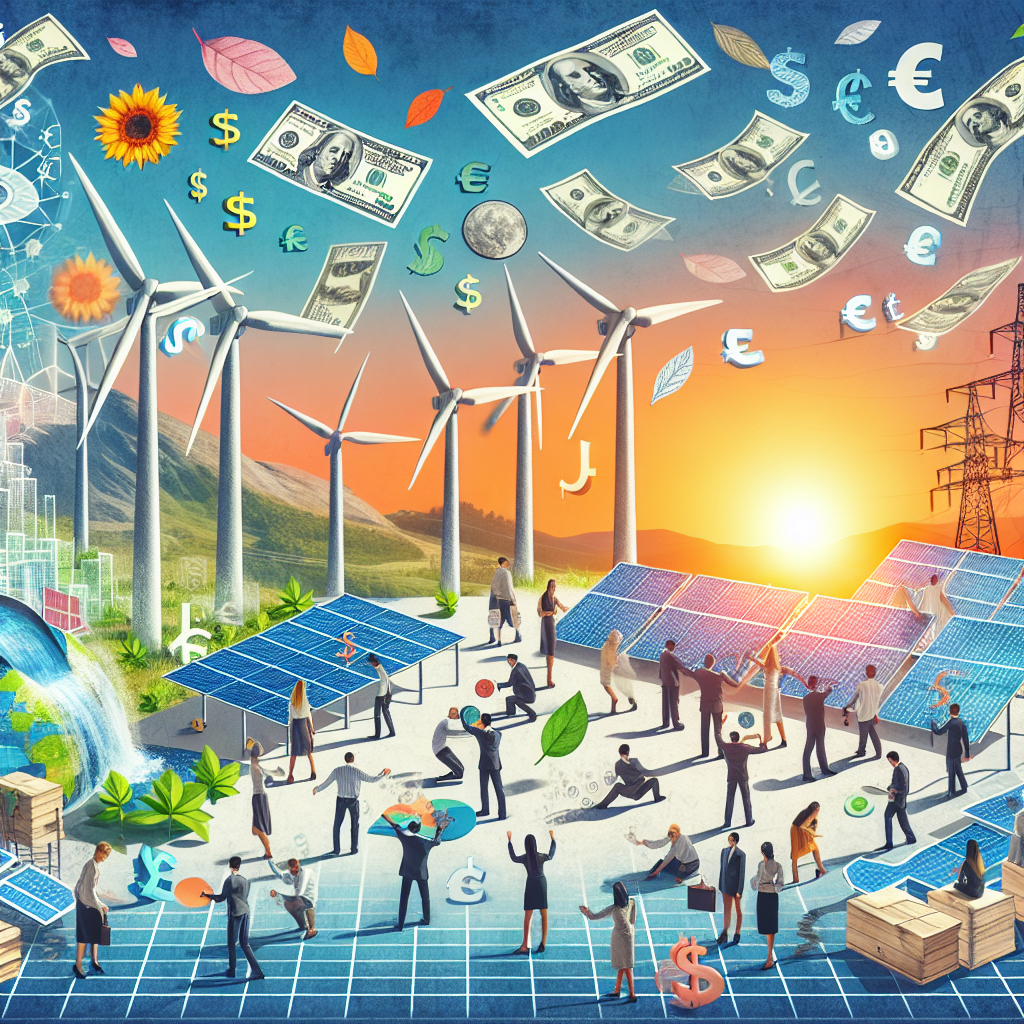
In contemporary society, technology emerges as a pivotal force in promoting green politics. Innovations such as renewable energy (solar, wind, hydro) are becoming more accessible and affordable, revolutionizing energy consumption worldwide. By 2025, countries are investing heavily in smart grids and decentralized energy systems that allow communities to harness renewable resources effectively. This shift signifies not only an environmental imperative but also an economic opportunity, creating jobs while mitigating climate impacts. The integration of technology in green politics allows for more efficient monitoring of carbon footprints and resource consumption, empowering individuals and organizations to make sustainable choices.
Moreover, technology facilitates better communication and collaboration among stakeholders. Social media platforms, in particular, have become invaluable tools for activists, allowing them to organize, mobilize, and share information rapidly. The ability to connect people and ideas globally has amplified the reach of green movements, enabling them to gain traction and influence policies in diverse regions. By using digital campaigns, these movements can spread awareness and drum up support for environmental reforms, making technology a crucial ally in the growth of green politics worldwide.
Global Cooperation on Environmental Issues
As the urgency of environmental challenges continues to grow, countries recognize the importance of collaborative efforts to tackle these issues. International agreements like the Paris Agreement and subsequent climate summits emphasize the necessity of collective action against climate change. As of 2025, nations across the globe are working together to commit to net-zero emissions goals and establish frameworks for climate finance. This collaborative spirit represents the acknowledgment that climate change is a borderless crisis, necessitating unified action for effective mitigation and adaptation.
Furthermore, global cooperation extends beyond governmental agreements to include partnerships with non-governmental organizations (NGOs) and private sectors. Initiatives such as the UN’s Sustainable Development Goals (SDGs) have galvanized stakeholders from all sectors to work towards a more sustainable future. By fostering dialogue and cooperation among governments, organizations, and communities, the green politics movement can achieve significant progress in addressing complex environmental challenges. This collaborative approach reinforces the idea that green policies are not just essential for individual nations but for the global community as a whole.
The Economic Dimensions of Green Politics
One of the most compelling aspects of the growing influence of green politics is its economic implications. In 2025, a substantial shift is observed in how nations approach their economies, increasingly aligning growth with sustainability. Investments in green technologies are not just seen as environmental necessities but as strategic economic priorities. Renewable energy industries, sustainable agriculture, and eco-friendly technologies are creating millions of jobs, leading to a greener economy. Governments are incentivizing businesses to go green, implementing policies that favor sustainable practices, and transitioning toward a circular economy model.
Additionally, the financial sector’s response to climate risks is leading to a considerable reallocation of investments. Green finance is on the rise, with banks and investment firms focused on funding sustainable projects and initiatives. Innovative financing mechanisms like green bonds and climate adaptation funds are gaining traction, supporting the development and implementation of eco-friendly projects globally. By linking economic growth to green policies, governments are positioning themselves to not only combat environmental issues but also secure a competitive advantage in the future economy. This trend illustrates that green politics is not merely an ideological stance but an economic imperative.
Conclusion
In summary, the growing influence of green politics worldwide is an unmistakable movement shaping the political, social, and economic landscapes of our time. Through the rise of green parties, grassroots activism, technological advancements, global cooperation, and economic transformations, green politics is establishing itself as a key player in driving sustainable change. As we move deeper into 2025, it becomes increasingly clear that the integration of environmental concerns into all facets of governance is not just unavoidable but essential for the survival and prosperity of our planet. This transformative journey toward a sustainable future will require collective efforts, innovative thinking, and unwavering commitment from governments, businesses, and citizens alike.
FAQs
What is green politics?
Green politics refers to a political ideology focused on environmental issues, advocating for sustainable practices, and encompassing social justice and grassroots democracy. It emphasizes the necessity of addressing climate change and preserving the environment as central to political discourse and policy.
Why has green politics gained popularity in recent years?
The popularity of green politics has surged due to increasing awareness of climate change, environmental degradation, and biodiversity loss. Grassroots movements, along with a shift in public sentiment and the rise of social media, have propelled these concerns to the forefront of political agendas globally.
How is technology influencing green politics?
Technology plays a crucial role in advancing green politics by making renewable energy more accessible, enabling better data collection and monitoring, and facilitating communication among activists. Innovations in clean technology are essential for transitioning to sustainable practices across various sectors, including energy, transportation, and agriculture.
What role do grassroots movements play in green politics?
Grassroots movements are instrumental in promoting green politics by organizing community action, raising awareness about environmental issues, and pressuring governments and corporations to adopt sustainable practices. Their impact is evident in driving public discourse and influencing legislative agendas.
How can global cooperation address environmental issues?
Global cooperation is essential for addressing environmental challenges as climate change knows no borders. Collaborative agreements, such as the Paris Agreement, enable countries to align their efforts, share resources, and create binding commitments to tackle climate issues collectively. This cooperative approach enhances the effectiveness of climate action at a global scale.