The Intersection of Political Journalism and Activism


The Intersection of Political Journalism and Activism
In the rapidly changing landscape of 2025, political journalism and activism are more intertwined than ever before. With the rise of digital media, the barriers separating reporters from activists have blurred, giving way to a new breed of activist journalists who are not only informing the public but also sparking movements. This article explores how the evolution of political journalism reflects a broader engagement in activism, shaping narratives and mobilizing communities around crucial issues that affect society today. In understanding this intersection, we delve into the roles, challenges, impacts, and current trends driving these two spheres.
The Evolving Role of Political Journalism
Political journalism in 2025 has transformed significantly from its traditional role of merely reporting facts and events. Nowadays, it frequently combines in-depth analysis and investigative reporting with a distinct advocacy angle. Journalists are stepping outside their conventional boundaries to engage with social movements, often taking stances on critical issues such as climate change, healthcare reform, racial justice, and economic inequality. This evolution towards activism has prompted media outlets to alter their journalistic practices to become advocates for systemic change.
This shift can be attributed to multiple factors including technological advancements, audience expectations, and the urgent nature of global problems. Journalists are increasingly utilizing social media platforms not just for reporting but also for mobilizing support and facilitating public discourse. In this interconnected environment, audiences expect journalists to provide not only information but also context and solutions. Thus, modern political journalism is characterized by a commitment to transparency, inclusivity, and storytelling that energizes audiences and calls them to action.
The Impact of Digital Media on Activism
The rise of digital media has profoundly influenced both political journalism and activism, creating a synergistic relationship that enhances the reach and effectiveness of both. Social media platforms like Twitter, Facebook, and TikTok allow journalists to disseminate information rapidly while simultaneously engaging with followers and activists. This immediacy helps to highlight urgent issues as they develop in real-time, transforming journalistic coverage into an active dialogue.
Moreover, digital media has democratized the field of journalism, enabling grassroots activists to become their own news sources. With the ability to share stories directly with their followers, activists are leveraging platforms to challenge mainstream narratives and highlight marginalized voices. This reciprocal relationship enriches political journalism by providing diverse perspectives and amplifying voices that might otherwise go unheard. The 2025 landscape reflects a more participatory form of journalism, one that is inherently tied to social movements and public engagement.
Challenges Facing Activist Journalism
Despite its potential for fostering change, activist journalism in 2025 faces numerous challenges. One significant issue is the phenomenon of misinformation, which has rapidly spread across social media platforms. Journalists committed to activism must navigate the delicate balance of sharing urgent messages while ensuring their information is verified and credible. This task becomes increasingly complex in a digital environment where sensationalism can dominate, and fact-based narratives can be overshadowed.
Another challenge is the backlash against activist journalism. Many journalists encounter criticism for perceived biases, particularly in polarized political climates. Accusations of partisanship can undermine the credibility of the activist journalist, forcing them to defend their objectivity while also addressing the concerns of a divided audience. Overcoming this skepticism requires a sustained commitment to ethical journalism standards and transparency in reporting practices.
Furthermore, financial pressures in the media industry often hinder the capacity for in-depth investigative journalism. With declining revenues, many news outlets cut resources for thorough reporting, pushing journalists to prioritize speed over substance. This undermining of journalistic integrity makes it difficult for activists to gain the robust, well-researched support they need for their causes. The challenge lies in fostering an environment where resources are allocated to support impactful journalism that aligns with activist goals.
The Role of Grassroots Movements in Shaping Coverage
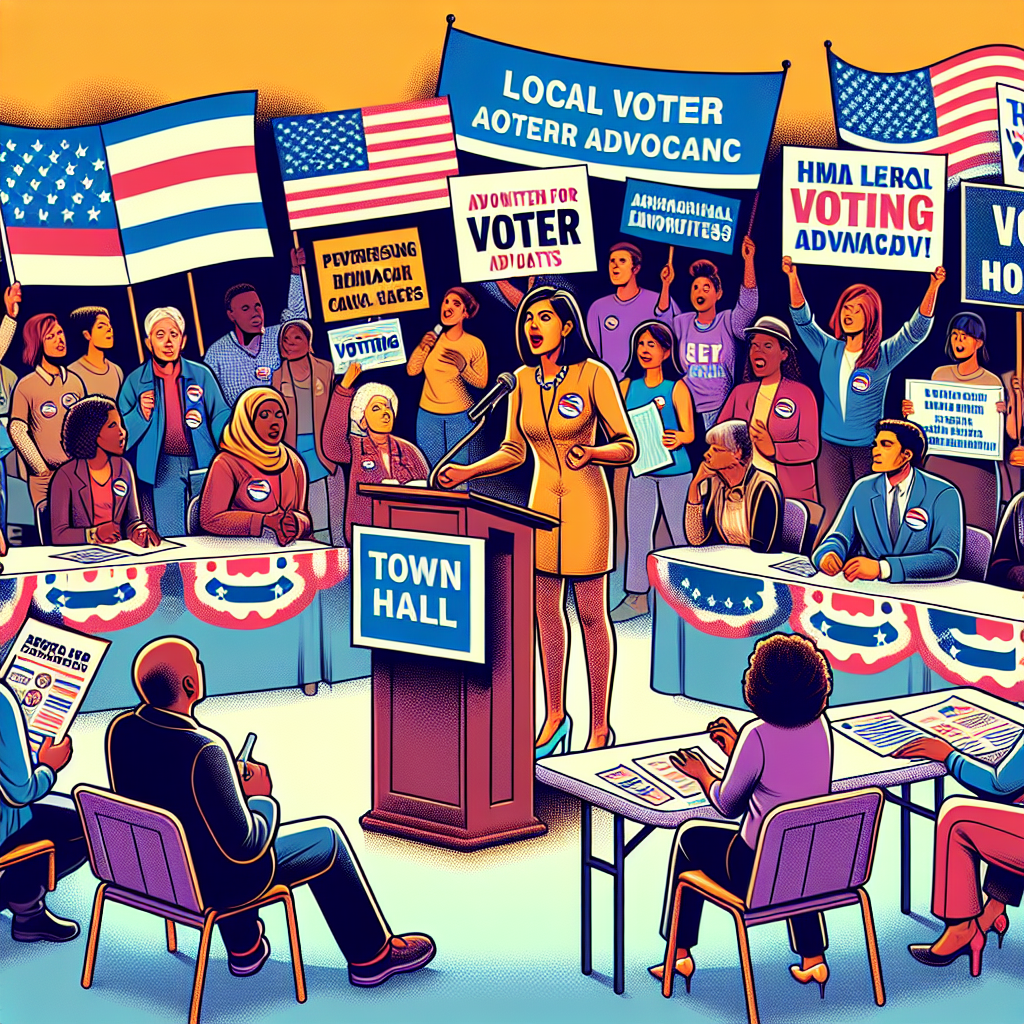
Grassroots movements have become pivotal in shaping the coverage of political issues in 2025. As activists harness the power of collective action, they not only push for change but also directly impact journalistic narratives. Movements such as climate strikes, anti-racism campaigns, and labor rights actions rely on media attention to galvanize public support and political action. Journalists are often compelled to align their coverage with these movements, recognizing the critical role of citizen-led initiatives in driving change.
These movements also challenge the norms within traditional newsrooms by insisting on more inclusive reporting practices. Activists advocate for representation across gender, race, and socioeconomic backgrounds in media narratives. This demand for diversity leads to a richer and more nuanced portrayal of stories that resonate with wider audiences. Journalists who heed these calls are better equipped to provide comprehensive insights into the complexities of social issues.
As a result, we see an emergence of collaborative journalism, where journalists work directly with activists to tell stories in ways that promote awareness and action. These partnerships can result in exposés and reports that highlight pressing social issues and provide avenues for mobilization. By reflecting the voices and experiences of those directly affected, activist journalism can create impactful narratives that inspire collective action and social change.
The Future of Political Journalism and Activism
Looking ahead, the intersection of political journalism and activism in 2025 is likely to evolve even further. As traditional media platforms continue to adapt, expect to see a surge in hybrid models that combine elements of journalism, activism, and community engagement. Collaborative frameworks will enable journalists and activists to co-create content that not only informs but also empowers audiences to take action.
Moreover, advances in technology, particularly in artificial intelligence and personalized content delivery, may revolutionize the way activists and journalists engage with their communities. AI tools can help analyze data from social movements, allowing journalists to uncover trends and highlight issues that resonate with audiences. This shift toward data-driven storytelling can forge stronger connections with readers, fostering a sense of community and shared responsibility.
As activism becomes more central to political journalism, new ethical considerations will emerge. Journalists will have to navigate their advocacy role carefully, ensuring that their commitment to activism does not compromise their obligation to objectivity. Striking this balance will be vital in maintaining public trust while continuing to advocate for just causes.
Conclusion
In summary, the intersection of political journalism and activism in 2025 represents a significant evolution in how news is created and consumed. As journalists adopt more activist roles, and activists leverage journalistic platforms, both spheres are enriched and empowered to create meaningful change. Challenges remain, particularly concerning misinformation, backlash against perceived bias, and financial constraints. However, the collaborative efforts between activists and journalists signal a hopeful future where storytelling is a powerful tool for social justice, mobilizing communities, and fostering civic engagement. As we navigate this ever-changing landscape, the impact of this intersection will undoubtedly continue to resonate, influencing politics and society for years to come.
FAQs
What is the role of social media in political journalism and activism?
Social media serves as a crucial platform for both political journalism and activism, allowing for rapid dissemination of information, engagement with the public, and the amplification of marginalized voices. It helps create dialogue around pressing issues in real-time.
How can journalists maintain objectivity while engaging in activism?
Journalists can maintain objectivity by adhering to strict ethical standards, being transparent about their methods, and ensuring diverse representation in their reporting. Balancing advocacy with factual reporting is essential to preserve credibility.
What are some examples of successful activist journalism?
Examples of successful activist journalism include in-depth investigative pieces that expose social injustices, partnerships between news organizations and grassroots movements, and multimedia campaigns that raise awareness about pressing issues in the community.
What challenges does activist journalism face in terms of misinformation?
Activist journalism faces challenges from the spread of misinformation, which can dilute credible narratives and mislead audiences. Journalists must verify information thoroughly and be prepared to counter false narratives while pushing for urgent messages.
How is grassroots organizing influencing news coverage today?
Grassroots organizing greatly influences news coverage by demanding more inclusive reporting practices and ensuring that underrepresented voices are heard. This activism often shapes the angles and narratives that journalists pursue, leading to richer and more diverse coverage of social issues.