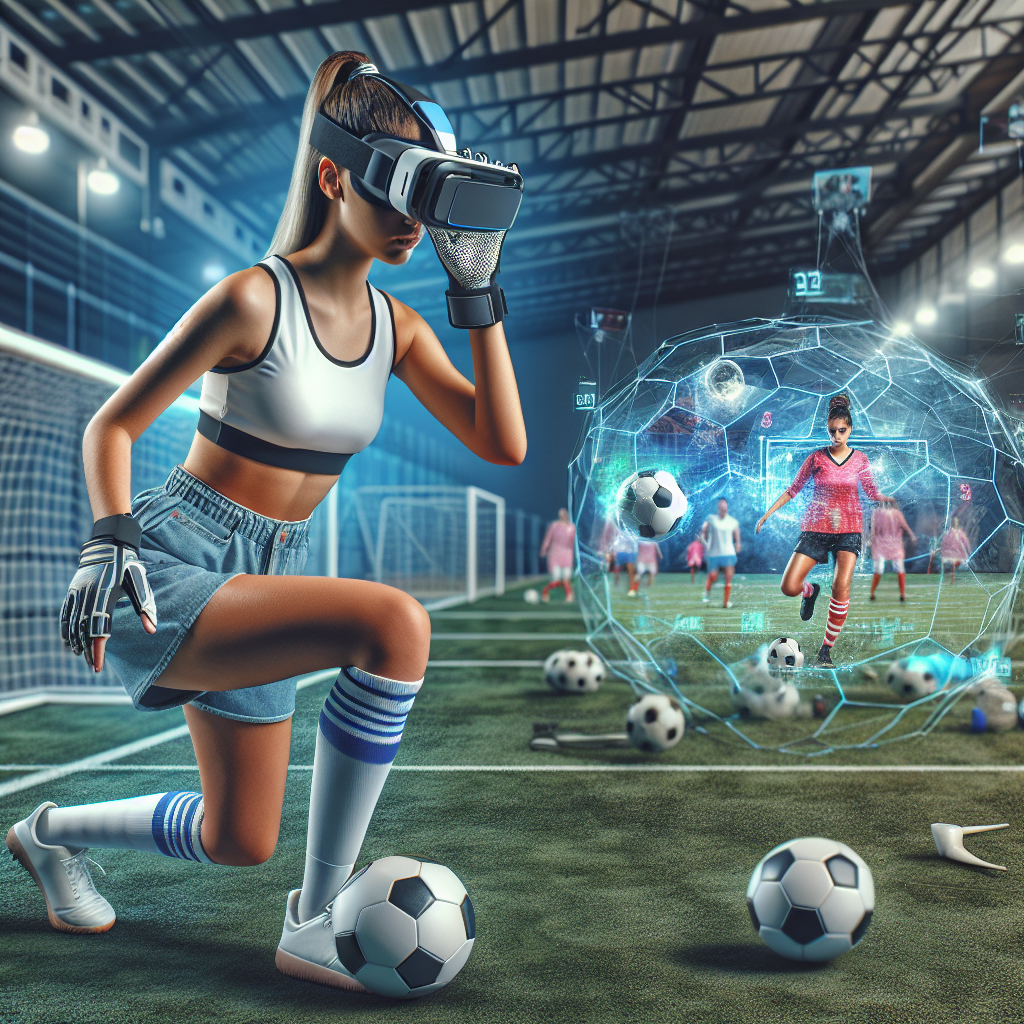

The intersection of sports and virtual reality (VR) training solutions is revolutionizing how athletes prepare for competition. As of 2025, the adoption of VR technology within sports training programs has exploded, enabling players to enhance their skills, improve their decision-making abilities, and reduce injury risks. This comprehensive guide will explore the various dimensions of VR training solutions, the technology behind them, their benefits, case studies of successful implementations, and the future of sports training in a digital age.
The Rise of Virtual Reality in Sports Training
Virtual reality has rapidly transitioned from a niche market in gaming and entertainment to a vital component in sports training. Athletes across diverse disciplines—including football, basketball, boxing, and even golf—are incorporating VR to simulate high-pressure environments, hone their techniques, and analyze their performance in real-time. This evolution is largely driven by technological advancements and the increasing understanding of how immersive experiences can lead to improved cognitive and physical performance.


One of the key factors propelling the rise of VR training in sports is the need for effective skills development. In traditional settings, athletes often rely on repetitive drills to master their techniques. However, VR training offers a more dynamic learning environment, allowing athletes to engage in realistic simulations that mimic actual gameplay scenarios. These immersive experiences can accelerate learning curves, as athletes are able to visualize and execute skills in a controlled, yet lifelike, setting.
Benefits of Virtual Reality Training Solutions in Sports
The benefits of employing virtual reality training solutions in sports extend beyond traditional training methodologies. One primary advantage is the ability to analyze athlete performance through detailed data analytics. VR systems capture real-time metrics, including movement patterns, decision-making speed, and reaction times, providing coaches and athletes with invaluable insights that can help tailor training programs to individual needs. This personalized approach enables athletes to focus on areas requiring improvement while minimizing unnecessary strain from ineffective or repetitively redundant drills.
Additionally, VR training aids in mental preparedness. Athletes often face immense pressure during competitions, and mental fortitude is as critical as physical skills. By simulating high-stakes situations, VR training solutions can help athletes acclimatize to the psychological demands of competitive environments. This mental rehearsal allows them to build confidence, reduce anxiety, and enhance their overall competitiveness when facing real opponents.
Case Studies of Successful VR Implementations in Sports
Several organizations have successfully integrated virtual reality into their training routines, yielding impressive results. One standout example comes from the National Basketball Association (NBA), where teams like the Sacramento Kings have utilized VR training to enhance their player development programs. By employing VR, the Kings have enabled players to engage in detailed tactical training. This approach allows athletes to experience plays and refine their movements without the physical toll traditional practices might incur, leading to reduced injury rates while enhancing strategic thinking on the court.
Similarly, the NFL’s Cincinnati Bengals have leveraged VR technology not only to develop player skills but also to bridge gaps in player understanding of complex playbooks. By immersing athletes in various game scenarios, the Bengals have reported improved comprehension and execution of plays. Feedback from players indicates they feel more confident and prepared when stepping onto the field, showcasing VR’s role in boosting overall team performance.
Furthermore, the world of combat sports has embraced VR training tools significantly. Professional boxers and mixed martial artists are using VR to improve reaction times and sparring strategies. Technology companies like STRIVR have created specific modules designed to train fighters through simulated match conditions, enabling them to practice methods of defense and attack with real-time feedback. Such innovations help prepare them for diverse opponents and unexpected scenarios, making fighters more adaptable and capable in the ring.
Challenges and Limitations of Virtual Reality in Sports Training
While the integration of virtual reality in sports training has provided many benefits, it is not without challenges. One significant limitation is the high cost associated with developing and implementing VR training solutions. Athletes and teams must invest in both hardware—such as headsets and motion capture systems—and the software necessary to create custom training modules. These financial barriers can prevent smaller teams or organizations from accessing state-of-the-art VR technology, potentially widening the gap between elite and less affluent athletes.
Additionally, the effectiveness of VR training heavily relies on the quality of simulations and the realism they offer. If the virtual environments do not accurately mimic real-life counterparts, there is a risk that athletes may not transfer skills gained in VR to actual practice conditions. Therefore, ongoing research and development are critical in ensuring that VR training solutions provide the most effective and immersive experiences possible.
Moreover, there is a learning curve associated with adopting new technologies in training programs. Athletes and coaches may initially resist integrating VR into their routines due to unfamiliarity or skepticism about its benefits. For VR training to be effective, it is essential to foster a culture of openness to new methodologies and to provide proper training to both athletes and coaching staff on how to leverage these tools fully.
The Future of Sports Training with Virtual Reality
The future of sports training is poised for exciting developments with the continuous evolution of virtual reality technology. By 2025, we can expect even more sophisticated VR training solutions that incorporate artificial intelligence, enabling more personalized and adaptable training regimens. AI-driven VR systems will analyze an athlete’s performance metrics and tailor drills in real-time, adjusting to their performance levels, fatigue, and specific training needs. Such innovations may revolutionize how athletes prepare and recover, ultimately leading to better performance outcomes.
Additionally, as VR technology becomes more affordable, it will likely penetrate grassroots sports programs, making cutting-edge training accessible to young athletes. By establishing a foundation in VR training early in an athlete’s development, coaches can cultivate skills that maximize potential and athletic growth. This democratization of technology can contribute to a new generation of athletes equipped with advanced skills and mental composure, reshaping the competitive landscape.
Lastly, integrating VR with other emerging technologies like augmented reality (AR) could amplify the immersive training experience. Imagine athletes being able to physically practice while receiving real-time feedback through an AR overlay, or training in a VR environment that interacts with real-world elements. The potential for hybrid training practices could redefine sports training as we know it, offering athletes unprecedented avenues for skill enhancement and performance improvement.
Conclusion: In conclusion, the intersection of sports and virtual reality training solutions represents a transformative shift in how athletes prepare for competition. As we have explored throughout this article, VR training provides numerous benefits, including enhanced skills development, improved mental preparedness, and performance analytics. While challenges remain, the successful implementation of VR technology by various sports organizations demonstrates its potential. With future advancements likely to make VR even more accessible and effective, we are just beginning to see the profound impact of this technology in shaping the next generation of athletes.
FAQs
What sports are currently using virtual reality training?
Various sports are embracing virtual reality training, including basketball, football, boxing, soccer, baseball, and golf. Teams across these disciplines are implementing VR systems to improve skills, strategy, and mental preparedness.
How does virtual reality improve athlete performance?
Virtual reality improves athlete performance by providing immersive training experiences that simulate real-world competition. These simulations help athletes refine their techniques, develop cognitive skills, and enhance decision-making under pressure.
Are there any risks associated with virtual reality training?
While VR training is generally safe, potential risks can arise from prolonged use, including motion sickness or discomfort due to the technology itself. It is crucial for athletes to gradually acclimatize to VR environments and for coaches to monitor usage to ensure a healthy balance.