The Road Less Traveled: Journey of Athletes in Documentaries

Introduction
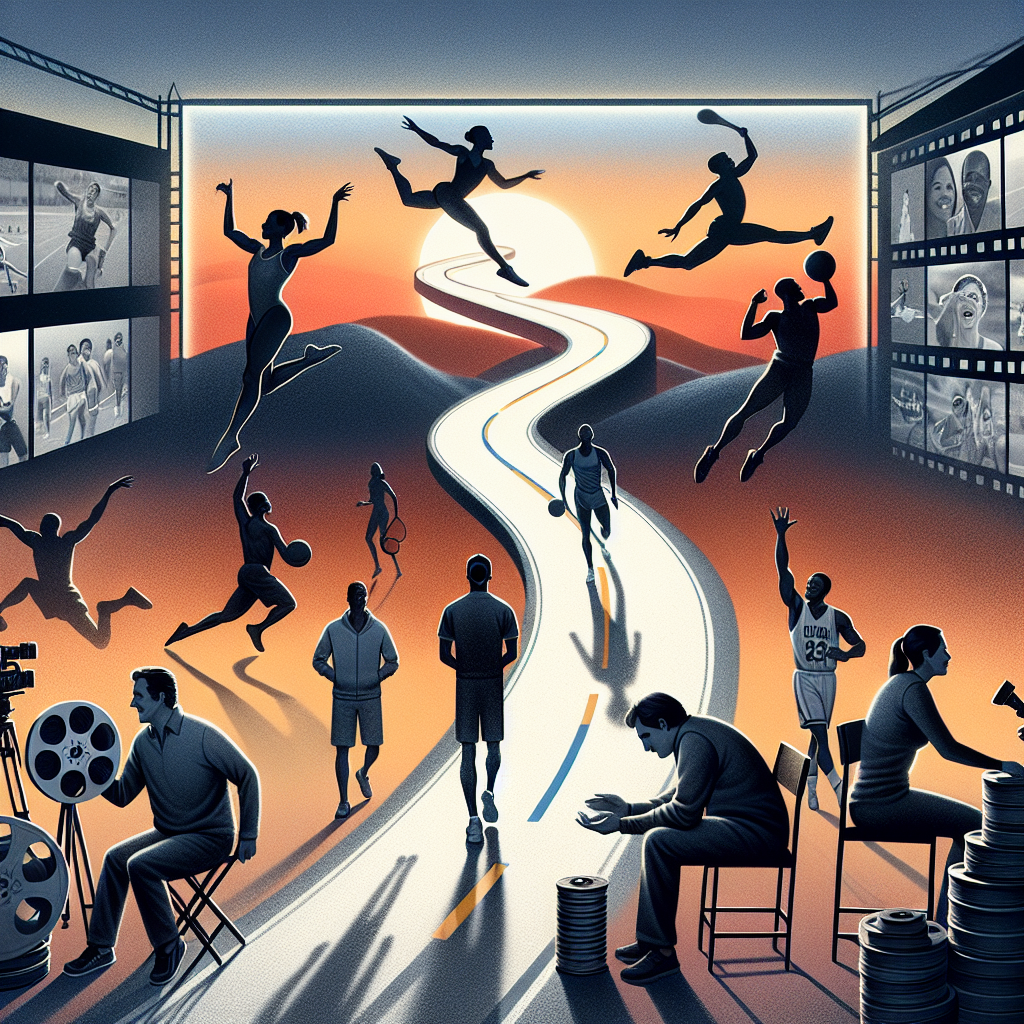
In the world of sports, the path to success is rarely a straight line. Athletes navigate obstacles, setbacks, and triumphs that shape their journeys—often depicted fascinatingly in documentaries. “The Road Less Traveled: Journey of Athletes in Documentaries” explores how these films capture the resilience, determination, and human spirit. From overcoming injuries to breaking societal barriers, documentaries provide an intimate look at athletes’ lives, inspiring audiences around the globe. This article delves into the impact of sports documentaries, showcasing notable films and themes that define the athlete’s journey on this unconventional path.
Understanding the Impact of Sports Documentaries
Sports documentaries have revolutionized how we view athleticism and the stories behind the athletes. Unlike traditional sports coverage, which often focuses on statistics and game outcomes, documentaries offer a lens into the personal lives, challenges, and victories of athletes. In 2025, platforms like Netflix and Amazon continue to produce in-depth documentaries, bringing lesser-known stories to light. This format allows for a richer storytelling experience, presenting the emotional stakes involved in sports, which often resonate deeply with viewers.
Moreover, documentaries serve as a powerful instrument for social change. Films like “The Last Dance” about Michael Jordan not only highlight the athlete’s incredible talent but also touch on issues such as teamwork, leadership, and the relentless pursuit of excellence. These films have the power to inspire not just sports fans but anyone facing life’s challenges, making them essential viewing in today’s entertainment landscape. By presenting nuanced narratives, sports documentaries can frame public perception around athlete experiences and the emotional labor behind their physical prowess.
Highlighting Noteworthy Athlete Stories
Several remarkable athlete stories have emerged from sports documentaries, providing viewers with insights into diverse disciplines and personal journeys. The documentary “Undefeated,” which chronicles the journey of a high school football team in Tennessee, exemplifies how sports can serve as a catalyst for personal growth and community empowerment. The film highlights underprivileged athletes striving for excellence while dealing with adversities that extend beyond the field. This focus creates a compelling narrative that resonates with audiences who appreciate stories of resilience and hope.
Another notable film is “Free Solo,” which chronicles climber Alex Honnold’s attempt to conquer El Capitan without ropes. This documentary not only showcases incredible athletic skill but also examines the psychological aspects of extreme sports. It raises questions about fear, motivation, and the quest for personal fulfillment, showcasing how documentaries can elevate the athlete’s journey beyond mere physical challenges. By juxtaposing breathtaking visuals with deep character exploration, “Free Solo” has cemented itself as a quintessential example of how documentaries can celebrate athleticism while generating profound discussions about human ambition.
The Role of Documentaries in Athlete Rehabilitation and Recovery
The journey of athletes often includes navigating injuries and setbacks which can be just as compelling as their successes. Documentaries like “Hurt” shed light on the often-unspoken struggles that come with injuries, not only from a physical standpoint but also emotionally and mentally. In 2025, audiences are more aware of the mental health aspects of sports, and documentaries help reflect this societal shift. “Hurt” focuses on the stories of several athletes who face injuries, showing not just their pain but also their resilience in recovery. This shift in perspective can aid in demystifying the stigma associated with mental health issues in sports, encouraging discussions about coping strategies, support systems, and recovery trajectories.
Furthermore, by showcasing athletes’ recovery processes, these documentaries foster a sense of community among viewers who may be experiencing their hardships. The stories convey powerful messages of perseverance, illustrating the adage that the road less traveled often leads to greater knowledge and insight. For aspiring athletes, seeing others confront and overcome adversity provides a source of motivation, reinforcing the notion that setbacks are merely stepping stones on the path to success. This narrative further cements documentaries’ role as vital educational tools, broadening the understanding of sports beyond mere competition.
Exploring the Cultural and Societal Impacts of Sports Documentaries
In 2025, the socio-cultural implications of sports documentaries are profound. These films serve as educational tools that inspire viewers from various backgrounds and promote understanding of athletes’ diverse routes to success. For example, documentaries like “Icarus,” which investigates the Russian doping scandal, spark conversations about ethics in sports, trust, and integrity. Such films compel audiences to reflect on larger societal issues while offering insider perspectives that traditional sports broadcasts lack. They highlight the complexity of the sports world, showing how external factors such as politics, culture, and social expectations can influence athletes’ careers.
Moreover, documentaries often emphasize the importance of representation within sports. Films like “Kicking It,” which follows a homeless soccer team’s journey to the Homeless World Cup, showcase the power of sports in transforming lives and communities. They illustrate how sports can unite people across different socio-economic backgrounds, fostering understanding and acceptance. This aspect can be especially inspiring for younger generations who see athletes breaking barriers and achieving greatness despite adversity, empowering them to strive for their dreams.
As the viewing landscape continues to evolve, documentaries also serve as a platform for underrepresented voices in sports, highlighting the experiences of female athletes, athletes of color, and those from marginalized communities. This cultural relevance underscores the importance of inclusive storytelling in expanding the narratives shaping our understanding of what it means to be an athlete. By giving voice to diverse experiences, sports documentaries can help create a more equitable future for sports and inspire others facing challenges.
The Future of Sports Documentaries in an Evolving Media Landscape
The future of sports documentaries is promising as new technologies and platforms emerge, allowing for more innovative storytelling methods. In 2025, advancements in virtual and augmented reality are providing filmmakers compelling new ways to engage with audiences. Immersive experiences allow viewers to experience sports and the stories behind them up close, enhancing emotional connections. Through these new mediums, documentaries can depict the journey of athletes with staggering realism, allowing audiences to step into their shoes and experience their struggles and triumphs firsthand.
Moreover, as streaming platforms continue to dominate media consumption, the accessibility of sports documentaries is expanding. Viewers can access a plethora of stories from different cultures and sports worldwide, enriching the global perception of athleticism. This accessibility promotes conversations across borders, fostering solidarity among athletes and fans alike, regardless of geographic or cultural differences. The global perspective offered by sports documentaries in 2025 serves as a bridge, connecting audiences with the narratives of athletes who have followed their unique roads less traveled.
Social media also plays a significant role in shaping the future of sports documentaries. Platforms like Instagram and TikTok allow for real-time engagement, enabling audiences to interact with athletes and filmmakers in unique ways. This fosters a sense of community and provides supportive networks for athletes as they navigate their personal and professional lives. The ability for creators to share behind-the-scenes content and updates also humanizes athletes further, making their stories even more relatable. As this integration of media continues to evolve, we can expect sports documentaries to remain relevant, vibrant, and powerful narratives in the sporting world.
Conclusion
“The Road Less Traveled: Journey of Athletes in Documentaries” serves not only as a reflection of individual athletes’ journeys but as a broader statement about the human experience. These films capture the highs and lows, triumphs and trials that athletes endure, making their stories profoundly relatable to audiences everywhere. In 2025, the significance of sports documentaries has only grown as they provide insights into athlete experiences, engage with societal issues, and highlight the importance of mental health and recovery. As storytellers adapt to new technologies and methods of engagement, the inspiring narratives of athletes chasing their dreams will undoubtedly continue to resonate, encourage, and empower future generations.
FAQs
What are some of the best sports documentaries to watch in 2025?
There are several highly acclaimed sports documentaries currently available, such as “The Last Dance,” “Free Solo,” and “Icarus.” Other emerging titles in 2025 include “Hurt” and new biopics focusing on rising athletes’ stories across various sports.
Why are sports documentaries important?
Sports documentaries serve not only to entertain but also educate viewers on the multifaceted lives of athletes. They raise awareness about mental health issues, promote inclusivity, and inspire personal growth, making them valuable both within and outside the sports community.
How do sports documentaries influence public perception of athletes?
By showcasing the personal struggles and triumphs of athletes, documentaries humanize them and often shift public perception. They allow audiences to connect emotionally with athletes’ journeys, fostering empathy and respect, and empowering fans to relate their challenges to their experiences.