The Role of Narration in Sports Documentaries: A Deep Dive
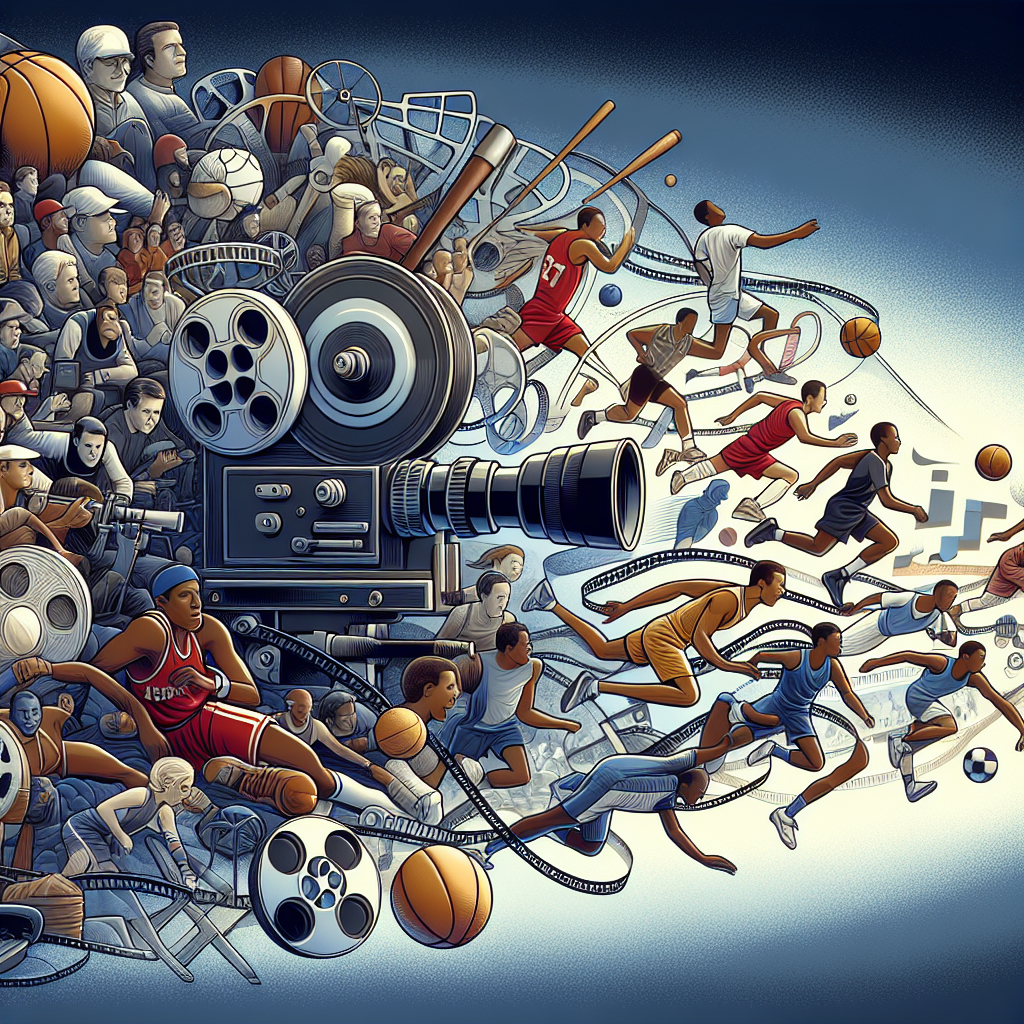
The Role of Narration in Sports Documentaries: A Deep Dive
Sports documentaries have captivated audiences by blending storytelling with the intense emotions that sports often evoke. The role of narration in these documentaries goes beyond mere commentary; it serves as a crucial element that shapes audience perception and engagement. In this deep dive, we explore how narration enhances storytelling, the psychological impact on viewers, and its significance in capturing the essence of sport.
The Importance of Narration in Sports Documentaries
Narration serves as the backbone of sports documentaries, guiding viewers through the narrative arc while providing context to the unfolding events. By delivering insights and background information, narration can turn a simple match recap into a compelling storyline that resonates with audiences. In many cases, the narrator’s voice acts as a storyteller, invoking emotions that help viewers connect with the subjects on-screen.
Effective narration not only captures the excitement of the game but also delves into the personal stories of athletes, coaches, and teams. This depth is vital in transforming a sport into a dramatic saga, making viewers more invested in the journey of the featured individuals. Consider the famous documentary “The Last Dance,” which narrated Michael Jordan’s career with a blend of storytelling and insight that turned the documentary into a cultural sensation. This plunge into both the successes and struggles of athletes highlights how essential narration is in articulating the personal stakes behind sporting events.
The Narrative Techniques in Sports Documentaries
To maximize the impact of narration, filmmakers often utilize various narrative techniques that elevate storytelling. Foremost among these techniques is the use of a first-person perspective, which allows viewers to hear directly from the athletes themselves. This proximity creates intimacy, making the audience feel as though they are part of the journey and reinforcing emotional connections. When viewers hear the personal struggles and triumphs directly from the athletes, they are drawn deeper into the narrative.
Additionally, the use of pacing and rhythm in narration helps create tension and excitement. For instance, during climactic moments in a game, the narrator might quicken their speech, reflecting the rising intensity. Conversely, during reflective segments, slower narration can evoke contemplation and introspection. This dynamic manipulation of pacing aids in maintaining viewer engagement, ensuring that the emotional highs and lows resonate profoundly throughout the documentary.
The Psychological Impact of Narration
The psychology of sports is complex, entwining emotions, aspirations, and identities. Narration plays a formidable role in framing these psychological elements. Audiences may witness a significant event in a sports documentary, such as a last-minute goal or a championship victory, and the way it is narrated can profoundly influence how the event is perceived. A poignant narration can not only amplify the thrill of victory but also accentuate the agony of defeat, making those moments resonate more deeply within the viewer’s psyche.
Furthermore, narration can explore the broader societal and cultural implications of sport, linking personal athletic stories to larger themes such as perseverance, teamwork, and redemption. This connection allows viewers to reflect on their own lives, often leading to inspirational conclusions. A well-spoken narrative can inspire viewers to identify or empathize with athletes, fostering a sense of community and shared experience among fans.
Moreover, effective narration can aid in overcoming biases or preconceived notions about sports figures. By presenting an athlete’s story from multiple angles—personal, professional, and even social—narration can shift viewer perspectives, fostering a more nuanced understanding. The documentary format thus becomes a platform for challenging stereotypes and promoting empathy, enriching the overall viewing experience.
<h2.Narration Styles Across Different Sports Documentaries
Different sports lend themselves to varying styles of narration, reflecting the unique cultures and narratives associated with each sport. For instance, documentaries focusing on team sports like football or basketball often feature energetic and passionate narrators who embody the excitement of the game. The narration might come alive with shouts of joy or despair as pivotal moments unfold, mirroring the highs and lows experienced by fans watching a live game.
In contrast, individual sports documentaries, such as those about tennis or athletics, may employ a more subdued and contemplative narration style. This approach allows for deeper introspection into the athlete’s mind and training regimen, often revealing the solitary struggle that accompanies individual competition. The quieter approach to narration can evoke empathy and understanding, drawing viewers into the unique mental challenges faced by solo athletes.
Additionally, the historical context is often pivotal in shaping narration styles. Documentaries highlighting events from the past might utilize a more formal tone, often juxtaposed with archival footage to provide historical context. The choice of narrative voice, whether it’s calm and authoritative or vibrant and enthusiastic, can set the tone for how the audience receives the documentary’s subject matter, thus enhancing educational components alongside entertainment.
<h2.The Future of Narration in Sports Documentaries
As technology rapidly evolves, so too does the landscape of sports documentary narration. With advancements in AI and machine learning, personalized narrations may soon become commonplace, where viewers could choose narrative tones or styles that suit their preferences. This evolution may lead to more immersive experiences, enabling viewers to engage with documentaries in ways that were previously unimaginable.
The introduction of interactive media also provides opportunities for narrators to engage with audiences. Imagine documentaries where a narrator’s voice dynamically responds to viewer reactions or questions in real-time. Such advancements could create deep engagement while also changing the way narratives are structured, perhaps allowing viewers to choose their narrative arcs, leading to multi-faceted storytelling experiences.
Moreover, as the understanding of sports psychology evolves, narration may soon incorporate real-time psychological insights and data analytics. This shift could allow documentaries to not only inform viewers about sports but also educate them on the psychological underpinnings of players’ performances and decisions, creating a compelling combination of emotional and cognitive engagement.
Conclusion
The role of narration in sports documentaries is multifaceted, serving as a vital tool for storytelling that can evoke emotions, provide insights, and reshape audience perspectives. From establishing connections with athletes to illuminating the broader societal contexts of sport, effective narration can enhance viewer engagement profoundly. As technology progresses, the future of narration in this genre promises to be even more transformative, catering to personalized experiences while remaining firmly rooted in the fundamental elements of human storytelling.
FAQs
1. Why is narration important in sports documentaries?
Narration is crucial in sports documentaries as it provides context, depth, and emotional resonance. It helps to shape the narrative, guiding viewers through the storyline and enhancing their connection to the athletes and events.
2. How does narration affect viewer perception?
The way a narrative is delivered can influence how viewers understand and emotionally engage with the content. Intonation, pacing, and the choice of words can amplify feelings of excitement, disappointment, or introspection, thus shaping viewer perceptions significantly.
3. Are there different styles of narration for various sports?
Yes, different sports often inspire distinct narration styles. Team sports might feature energetic and passionate narrators, while individual sports could lean toward a more reflective tone, each tailored to the sport’s unique culture and audience expectations.
4. How is technology changing narration in sports documentaries?
Advances in technology are paving the way for personalized and interactive narration, allowing viewers to engage with documentaries in new ways. Future innovations may include AI-generated narratives tailored to individual viewer preferences and real-time psychological insights.
5. What impact can effective narration have on audience engagement?
Effective narration deepens audience engagement by creating emotional connections to the athletes and events portrayed. A compelling narrative can inspire empathy, motivation, and a greater understanding of the challenges faced by the athletes, thus enriching the viewing experience.