The Science of Pitching: Mechanics and Innovations in Baseball

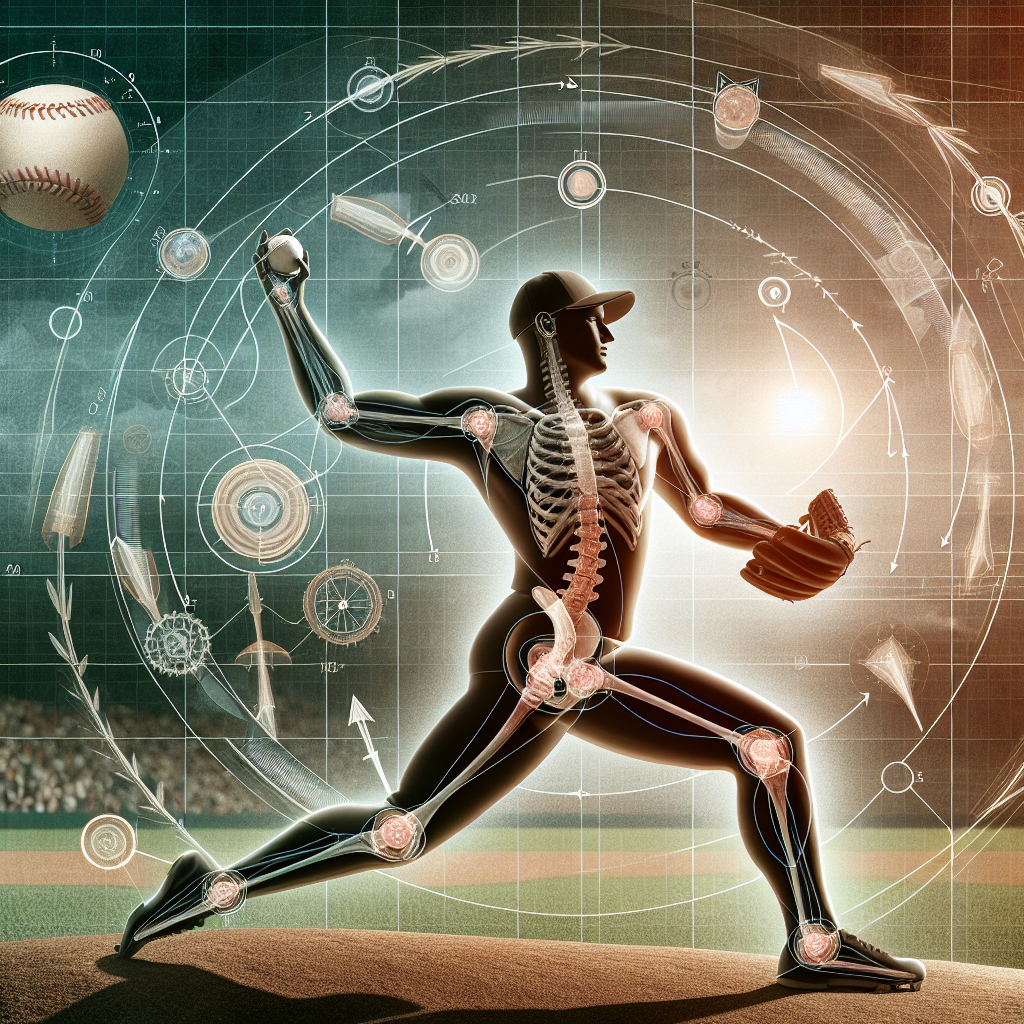
The Science of Pitching: Mechanics and Innovations in Baseball
Introduction
The science of pitching in baseball has evolved dramatically over the years, marking significant advancements in pitch mechanics and innovative techniques. As we delve into the mechanics of pitching in 2025, we highlight how the integration of technology, biomechanics, and mental strategies shapes performance on the mound. Understanding the science behind pitching not only enhances player performance but also contributes to the evolving landscape of the sport, captivating both players and fans alike.
Understanding Pitch Mechanics: The Foundation of Effective Pitching
Pitching mechanics refer to the physical movements and techniques used by pitchers to deliver the ball to the plate. These mechanics are essential for maximizing pitch speed, accuracy, and minimizing the risk of injury. A strong foundation in mechanics begins with a proper grip and stance followed by sequential body movements that include wind-up, delivery, and follow-through.
Proper mechanics start from the ground up, utilizing kinetic energy generated from the legs and core and transferring it efficiently through the pitching arm. This explosive motion not only creates higher velocity but also ensures that stress is distributed evenly throughout the body. In 2025, advanced analytics and high-speed cameras are utilized by coaches and players to dissect these movements, allowing for continuous improvement and adjustment based on each pitcher’s unique physical attributes.
Moreover, the significance of arm slot and release point cannot be overstated. Pitchers must develop a consistent and repeatable delivery to maintain accuracy and deception against batters. In this regard, most teams are using motion capture technology, like Rapsodo and TrackMan, to analyze throwing mechanics in real-time, making adjustments that can lead to a substantial advantage over opponents.
The Role of Biomechanics in Pitching Performance
Biomechanics plays a crucial role in understanding the science of pitching by examining how pitchers’ bodies move during their delivery. With advancements in technology, teams are now equipped to analyze biomechanical data extensively. This includes measuring joint angles, limb velocities, and body posture throughout the pitching motion. Such precise measurements allow coaches to tailor training regimens to each pitcher’s specific needs.
The aim of biomechanics in pitching is to optimize movement patterns, enhancing performance while minimizing the risk of injury. Through biomechanical analysis, teams can identify mechanical inefficiencies that could lead to injuries such as rotator cuff tears or Tommy John surgery, prevalent among pitchers. By making necessary corrections through targeted strength and conditioning programs, pitchers can better safeguard their longevity in the game.
In addition to injury prevention, biomechanics is increasingly being used to enhance pitch differentiation. By analyzing and fine-tuning body mechanics, pitchers can effectively manipulate the spin and movement of their pitches. Innovations like virtual reality training systems are gaining popularity for their role in helping pitchers visualize and rehearse biomechanically efficient pitches, ultimately leading to improved performance during live game situations.
Innovations in Pitching Technology: Enhancing the Game
The landscape of baseball pitching is undergoing a tech revolution. By 2025, cutting-edge technology is utilized throughout the pitching process, starting from scouting and training to game-day strategy. Wearable technology devices, such as smart sleeves and sensors, track pitchers’ performance metrics in real-time, providing immediate feedback that was once only available post-game.
Moreover, artificial intelligence and machine learning algorithms are making strides in analyzing vast amounts of data collected from various sources, such as radar guns and video feeds. This data-driven approach allows for predicting opponent weaknesses and crafting tailored strategies. Advanced game analytics, such as pitch recommendation systems, empower pitchers to make informed decisions mid-game, enhancing their situational awareness and adaptability.
A particularly interesting innovation is the use of augmented reality (AR) for pitching drills. AR allows coaches and pitchers to simulate various game situations on the practice field, providing immediate visual cues about pitch placement and effectiveness against different batters. This interactive method is proving to be a game-changer, as it engages younger players and keeps them attentive, while effectively enhancing their skills through experiential training.
The Mental Game of Pitching: Fostering Focus and Resilience
While the physical aspects of pitching are critical, the mental game is equally essential. The pressure faced by pitchers in high-stakes situations demands a strong psychological approach. In 2025, teams are increasingly incorporating sports psychology into their training regimens, focusing on mental conditioning as a vital aspect of a pitcher’s preparation. Techniques such as visualization and mindfulness are utilized to enhance concentration and reduce performance anxiety.
Visualization involves pitchers mentally rehearsing their pitches and imagining success in varying scenarios, which helps build confidence and reduces the likelihood of panic in tight game situations. On the other hand, mindfulness exercises foster resilience and focus, enabling pitchers to remain grounded during crucial moments. This cultivates an environment where athletes can thrive, lessening the impact of failure which is a natural part of the game.
Moreover, the rise of competitive leagues and the pressure to perform at high levels have made mental toughness training more essential than ever. Pitchers trained in cognitive-behavioral techniques learn to manage their emotions during games, maintaining a steady mindset while executing complex mechanics under duress. Teams are beginning to hold workshops and sessions dedicated solely to this aspect of performance enhancement, recognizing it as a game-changer in pitcher development.
Future Trends in Pitching: What Lies Ahead?
Looking ahead, the future of pitching is likely to incorporate an increasing number of technological innovations and evolving training methodologies focused on injury prevention and performance enhancement. As the field of biomechanics continues to advance, we anticipate even more sophisticated analytical tools that can assess pitching mechanics with greater precision. Innovations such as real-time biomechanical assessments directly within a game setting are on the horizon.
Furthermore, the integration of genetics and personalized medicine is expected to play a significant role in maximizing a pitcher’s potential. Understanding an athlete’s genetic dispositions will enable better training approaches, optimizing both performance and recovery processes tailored to their own biological makeup.
Lastly, as fan engagement increases, we can expect more interactive presentations of pitching strategies through augmented and virtual reality. Such advancements will not only enhance viewer experience but will also help younger athletes visualize their development paths in pitching. Sharing knowledge through these new platforms will make the science of pitching more accessible and engaging, inspiring the next generation of players to excel.
Conclusion
The science of pitching in baseball has seen monumental advancements that bridge the gap between art and athletics. By 2025, pitch mechanics, biomechanics, and mental conditioning collectively enhance performance while promoting injury prevention. As technology continues to evolve, we foresee exciting changes that will not only improve individual players but transform the way the game is played and appreciated. Understanding these innovations is integral for players, coaches, and fans, marking a new era of baseball excellence driven by science.
FAQs
What are the key components of pitching mechanics?
Pitching mechanics involve a series of movements starting from a proper stance, winding up, delivering the pitch, and following through. Key components include grip, arm slot, and body alignment.
How does biomechanics contribute to injury prevention in pitchers?
Biomechanics analyzes joint angles and body movements to identify inefficiencies that may lead to injuries. By correcting these issues through customized training, pitchers can reduce their risk significantly.
What role does technology play in modern pitching?
Technology like motion capture, AI analysis, and wearable devices enhances training and performance assessment. These tools provide real-time data to optimize pitching techniques and strategies.
How important is mental conditioning for pitchers?
Mental conditioning is crucial for managing the stress and pressure faced by pitchers. Techniques like visualization and mindfulness help enhance focus, resilience, and overall performance.
What future trends can we expect in pitching innovation?
Future trends may include enhanced biomechanical analysis, genetic optimization for training approaches, and the integration of AR and VR to provide immersive learning experiences for pitchers.