Building Mental Toughness for Competitive Athletes
Building Mental Toughness for Competitive Athletes
In the competitive world of sports, physical prowess is only part of the equation for success; mental toughness is equally crucial. Mental toughness for competitive athletes encompasses resilience, focus, motivation, and confidence, allowing performers to thrive under pressure. As we progress into 2025, it is imperative for athletes to cultivate these psychological attributes, as they can distinguish a good athlete from a great one. In this article, we will explore effective strategies and insights for building mental toughness, ensuring athletes are fully equipped to meet the challenges of their sporting careers.
Understanding Mental Toughness in Sports
Mental toughness is often defined as the psychological edge that allows athletes to maintain a competitive advantage. This state of mind encompasses attributes such as resilience, focus, and determination. In the realm of competitive sports, mental toughness plays a pivotal role as it equips athletes with the ability to handle intense pressures and setbacks. The landscape of sports psychology has evolved, with recent studies indicating that mental toughness can be developed through structured training and practice, much like physical skills.
Athletes who embrace mental toughness can enhance their performance, cope with anxiety, and adapt to varying competitive environments. It includes an unwavering belief in their abilities, which translates into consistent performance during crucial moments. Moreover, mental toughness is not merely about enduring hardship; it is also about optimizing performance, strategically employing various mental techniques to turn potential failures into successes.
Core Components of Mental Toughness
To effectively develop mental toughness, athletes must focus on its core components, which include commitment, confidence, focus, and emotional control. Commitment involves dedication to training, improvement, and resilience in the face of adversity. Athletes who are fiercely committed often find themselves pushing through difficult training sessions and competing against tougher opponents, thereby enhancing their skills and mental fortitude.
Confidence is another essential trait for competitive athletes. It stems from preparation and past successes, allowing athletes to perform at their peak even when faced with challenges. Focus, on the other hand, refers to the ability to concentrate on the task at hand, minimizing distractions that can compromise performance. Finally, emotional control allows athletes to manage stress, anxiety, and negative emotions effectively during competitions. By honing these four core components, athletes can lay a solid foundation for peak performance in their respective sports.
Strategies to Build Mental Toughness
Building mental toughness requires a multi-faceted approach. One effective strategy is the use of goal-setting techniques. Athletes should establish S.M.A.R.T. (Specific, Measurable, Achievable, Relevant, Time-bound) goals that provide clear objectives and a roadmap for improvement. Goals not only motivate athletes but also help them visualize success, thus reinforcing their belief in their abilities.
Another powerful technique is visualization, where athletes create mental images of themselves succeeding in their sport. Visualization has been shown to enhance performance by influencing the brain’s neural pathways, preparing the mind for actual performance scenarios. Additionally, practicing mindfulness and meditation can significantly benefit athletes by promoting relaxation and enhancing focus. Mindfulness techniques can decrease anxiety and fosters a state of flow, a mental state where athletes perform their best.
Lastly, fostering a positive mindset is crucial for approaching challenges and setbacks. Athletes should cultivate self-talk that is constructive rather than critical, encouraging resilience and belief in their capabilities. This positive reinforcement can help them rebound quickly from failures and maintain a high level of performance over time.
The Role of Physical Training in Mental Toughness
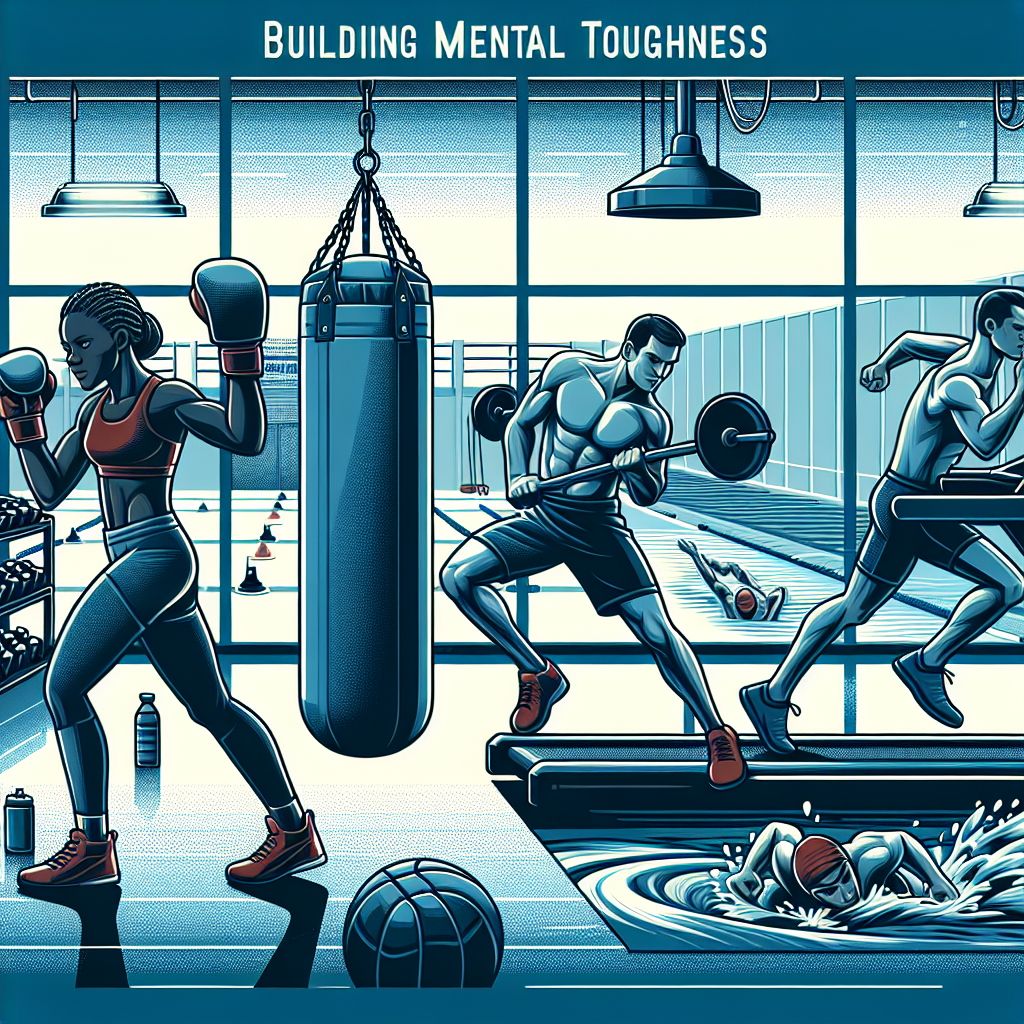
Physical training is intrinsically linked to mental toughness; it can be a catalyst for developing resilience and discipline. Engaging in rigorous training can push athletes beyond their physical limits, offering a natural way to build mental strength. As they endure physically demanding workouts, athletes learn about their thresholds and can cultivate a greater sense of perseverance that translates into competitive settings.
Combining physical conditioning with mental resilience exercises enhances overall performance. For example, incorporating high-intensity interval training (HIIT) not only improves physical fitness but also challenges the athlete’s ability to stay focused under fatigue. By training both the body and mind in tandem, athletes create a holistic approach to mental toughness.
Moreover, recovery processes, such as active recovery or mental breaks, are crucial for maintaining mental toughness. Athletes often overlook the importance of rest as it allows the mind to recuperate from stress and anxiety, thereby directly contributing to improved mental performance in subsequent training sessions.
The Impact of Coaching and Support Systems
The influence of coaches and support systems cannot be understated when developing mental toughness. Coaches play a vital role in cultivating an environment that fosters resilience. Effective coaching techniques should involve setting realistic expectations, providing constructive feedback, and fostering a supportive atmosphere. A coach who encourages athletes to embrace challenges and views setbacks as opportunities for growth can significantly contribute to an athlete’s mental fortitude.
Family and teammates are also integral to an athlete’s mental toughness. A supportive network can foster a sense of belonging and reduce anxiety, as athletes know they have people who believe in them. Team-building activities and open communication within teams can enhance camaraderie and motivate athletes to push through difficult periods.
Furthermore, the advent of technology in sports has introduced various platforms for mental skills training. Athletes can utilize apps and online resources to access mental exercises, guided meditations, and visualization techniques. This accessibility to resources can empower athletes to take control of their mental training, complementing their physical preparation.
Overcoming Adversity and Learning from Failure
The journey of any competitive athlete is rife with challenges and failures. Developing mental toughness involves embracing these experiences rather than shying away from them. Athletes should recognize that struggles contribute to growth, providing valuable lessons that can enhance performance. Embracing a growth mindset allows athletes to reflect on failures and view them as stepping stones towards greater success.
Resilient athletes learn to rebound from setbacks by analyzing what went wrong and devising strategies to prevent similar issues in the future. This ability to adapt becomes an essential part of their mental toughness. Additionally, sharing experiences with fellow athletes can aid in developing a shared understanding of failure, fostering a community of resilience.
Ultimately, understanding that adversity is part of the competitive landscape helps athletes cultivate a resilient mindset. By normalizing failure and focusing on the lessons learned, athletes can build confidence and mental fortitude, allowing them to persevere amidst challenges.
Conclusion
Building mental toughness for competitive athletes requires a committed and holistic approach. By understanding the core components of mental toughness, implementing effective strategies, leveraging physical training, and establishing robust support systems, athletes can significantly enhance their psychological resilience. Embracing adversity and viewing failures as opportunities for growth are also crucial aspects of this journey. As we progress through 2025, developing mental toughness will remain a cornerstone of athletic success, allowing athletes to reach their full potential in their chosen sports.
FAQs
What is mental toughness in sports?
Mental toughness in sports refers to the psychological strength that enables athletes to deal with pressure, overcome challenges, and maintain focus and determination during competitions.
How can athletes improve their mental toughness?
Athletes can improve their mental toughness through strategies like goal setting, visualization, mindfulness practices, positive self-talk, and rigorous physical training.
Can mental toughness be developed?
Yes, mental toughness can be developed through consistent practice, training, and the application of specific psychological techniques tailored to enhance resilience, confidence, and focus.
What role does a coach play in building an athlete’s mental toughness?
A coach plays a crucial role by providing guidance, realistic expectations, constructive feedback, and creating a supportive environment that encourages athletes to embrace challenges and learn from failures.
How does physical training contribute to mental toughness?
Physical training contributes to mental toughness by pushing athletes beyond their limits, enhancing perseverance, discipline, and fostering an understanding of how to cope with physical and mental challenges.