Celebrating the Legacy of the 1990s NBA: A Look Back
Introduction
The 1990s were a transformative decade for the NBA, a time when the league garnered unprecedented popularity and showcased some of the greatest talents in basketball history. Celebrating the legacy of the 1990s NBA means recognizing the defining moments, unforgettable rivalries, and iconic players who shaped the game. From the Chicago Bulls’ dynasty to the emergence of all-time greats like Shaquille O’Neal and Kobe Bryant, the ’90s were filled with exhilarating matches that captivated fans worldwide. In this article, we take a closer look at the milestones, cultural impact, and evolution of the NBA during this legendary decade.
The Rise of Iconic Players in the 1990s NBA
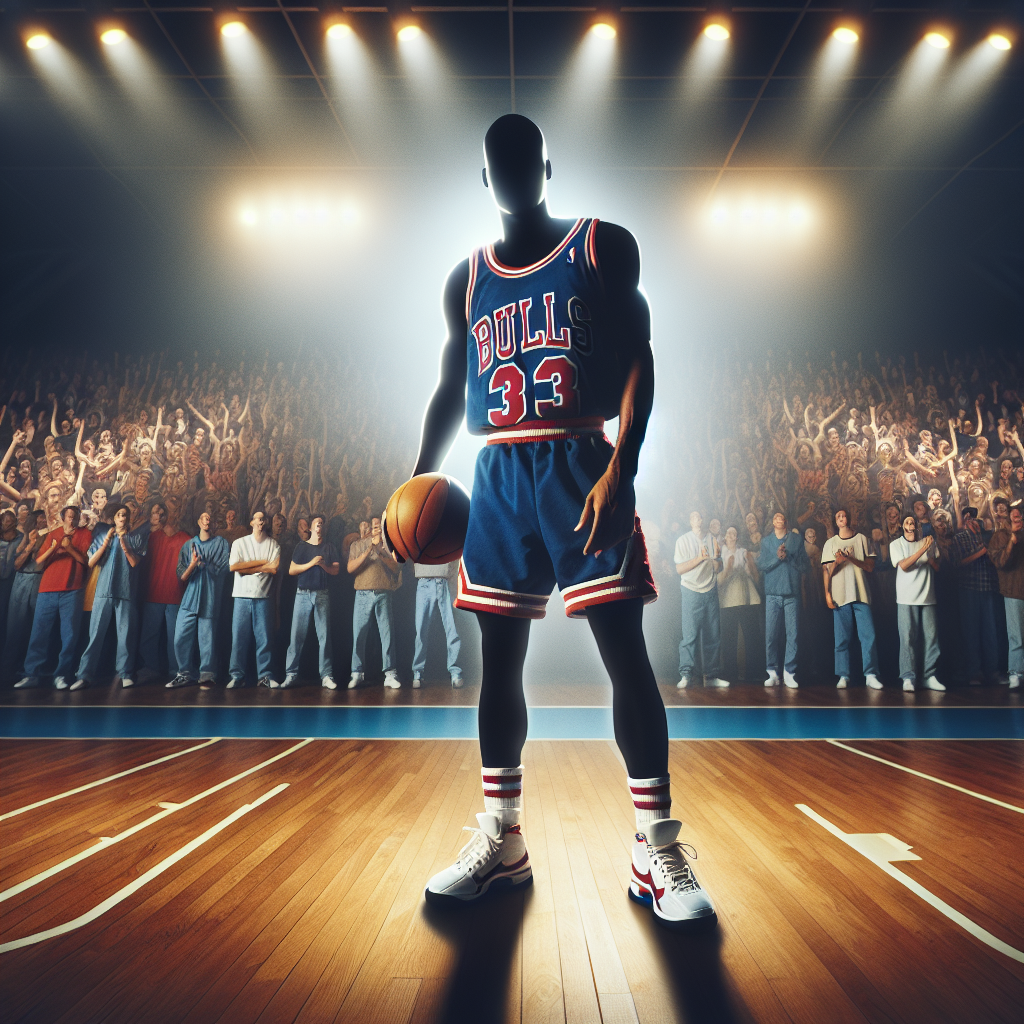
The 1990s NBA was characterized by the emergence of legendary players who would go on to redefine the sport. At the forefront was Michael Jordan, whose unmatched skill and competitive spirit guided the Chicago Bulls to six NBA championships. With his Airness leading the charge, the Bulls became synonymous with excellence, winning three consecutive titles in both the early and late ’90s. Jordan’s ability to perform in clutch moments and his remarkable scoring prowess made him an enduring figure in sports history and contributed significantly to the NBA’s appeal.
Aside from Jordan, the decade witnessed the rise of other basketball luminaries, including Shaquille O’Neal, Kobe Bryant, and Tim Duncan. Shaq entered the league in 1992 and quickly became a dominant force, combining size, athleticism, and finesse. His playful personality and extraordinary dunking ability garnered widespread attention, making him one of the most marketable athletes of the era. Meanwhile, Kobe, drafted straight out of high school in 1996, brought a fresh, youthful exuberance to the league, showcasing skill sets that would revolutionize the shooting guard position. Tim Duncan, known as “The Big Fundamental,” also made his mark, leading the San Antonio Spurs to their first-ever NBA championship in 1999 and setting the stage for future success.
The Rivalries That Defined the Decade
Rivalries played a crucial role in shaping the narrative of the 1990s NBA, with many matchups generating intense fan engagement and dramatic storylines. One of the most notable rivalries was between the Chicago Bulls and the New York Knicks, characterized by a fierce competition for dominance in the Eastern Conference. The physicality and intensity of their playoff battles in the early ’90s captivated audiences, with iconic moments such as Michael Jordan’s clutch plays and the “Bad Boys” Detroit Pistons’ tough defense coming to the forefront of basketball lore. This rivalry not only showcased stellar talents but also underscored the blend of grit and glamour that defined the league’s narrative during this era.
Another significant rivalry was between the Chicago Bulls and the Seattle SuperSonics, culminating in the 1996 NBA Finals. The Sonics, boasting stars like Gary Payton and Shawn Kemp, put forth a formidable challenge for the Bulls, who were looking to reclaim their title after Michael Jordan’s brief retirement. The Finals became a platform for Jordan to further cement his legacy, as he led the Bulls to a 4-2 series victory while earning his fourth NBA Finals MVP award. These rivalries not only added drama and excitement to the games but also contributed to the larger-than-life persona of the league.
The Cultural Impact of the 1990s NBA
The 1990s NBA was not just about basketball; it was a cultural phenomenon that transcended sports. The league’s popularity surged, thanks in part to the explosion of sports marketing and the rise of sports apparel, notably with the iconic Air Jordan sneakers. Michael Jordan’s brand became synonymous with excellence, style, and athleticism, creating a cultural icon that influenced fashion trends both on and off the basketball court. The sneaker culture that emerged during this decade laid the groundwork for the athletes of today, generating a multi-billion dollar market that thrives in the current sports environment.
Television played a pivotal role in the cultural impact of the 1990s NBA as well. The introduction of the NBA on NBC brought the league’s biggest stars to the forefront, with Bob Costas and Ahmad Rashad enhancing the viewing experience. The dramatic presentation of games, along with the excitement of the playoffs and Finals, captured the imagination of fans nationwide. This exposure not only grew the league’s fanbase but invented new ways to present the game, leading to strategic positioning of the NBA as a leading entity in entertainment, much like the successful combination of sports and media seen today.
Moreover, the 1990s NBA contributed to social change and representation. The league became a platform for players to express their views on social justice and activism. Figures like Michael Jordan and Bill Russell paved the way, inspiring a generation of athletes to engage in societal issues. While the complexities of race and equality were often underscored by the achievements of these athletes, the decade cultivated an environment where sports and activism intersected, planting seeds for the NBA’s continued social efforts in 2025 and beyond.
The Evolution of NBA Gameplay in the 1990s
The 1990s also marked a pivotal evolution in NBA gameplay that impacted how basketball was played and watched. The game during this decade saw a shift from a slower, more methodical style reliant on big men in the paint to a faster, more perimeter-oriented approach. Teams began incorporating motion offenses that emphasized ball movement and space, allowing players to leverage their shooting skills. This transformation laid the groundwork for the three-point shooting revolution witnessed in the years following 2000, forever changing the dynamics of professional basketball.
Defensively, the ’90s featured significant strategies that highlighted physical play and brute strength. The “Bad Boys” Detroit Pistons are famously known for their aggressive defensive tactics, often referred to as the “Jordan Rules,” aimed specifically at limiting MJ’s impact. The defensive prowess of teams during this era fostered a more intense environment, resulting in lower-scoring games but higher excitement levels for fans who appreciated the grit and determination displayed on the court. This evolution of basketball gameplay has continued in the modern era, evolving based on the rules and regulations that grew from the ’90s era.
Beyond tactics, the NBA 1990s showcased an expansion of international players, which marked the beginning of a global influence on how the game was played. Athletes like Dirk Nowitzki, Toni Kukoc, and Hakeem Olajuwon brought diverse playing styles and techniques from their home countries, enriching the NBA’s talent pool and introducing fans to a broader scope of basketball. This influence continues to resonate in 2025 as the league has become a melting pot of global talent, pushing the boundaries of traditional basketball to new heights.
The Legacy and Influence on Today’s NBA
As we step into 2025, the legacy of the 1990s NBA continues to be felt in contemporary basketball. The players, styles, and culture that emerged during this iconic decade laid the groundwork for what the league has become today. The emphasis on individual skilled play, showcased by stars like Jordan, Kobe, and Shaq, paved the way for modern superstars such as LeBron James and Stephen Curry, who draw upon the influence of their predecessors while redefining expectations with their unique playing styles.
Moreover, the NBA’s ability to adapt and grow in the ’90s set the stage for its ongoing expansion and success in the 21st century. The global reach the league achieved during this era has only intensified, with the NBA becoming a billion-dollar enterprise and attracting millions of fans worldwide. The international aspect of the game has continued to flourish, as signified by the increasing number of international players making their mark in the league and the growth of NBA games and events hosted globally. This legacy is a testament to how the grassroots fan culture established in the 1990s ushered in a new era of interconnectedness within the basketball community worldwide.
Finally, the NBA’s commitment to social responsibility and activism, which began to take root in the ’90s, has kept evolving through the years. Today’s players actively participate in various social movements, echoing the foundations laid down by their predecessors. Efforts such as the NBA’s Basketball Without Borders program demonstrate a commitment to shaping communities and supporting growth, much as their ’90s counterparts envisioned. This enduring pursuit solidifies the 1990s NBA as not only a compelling sports era but a pivotal transition point that continues to inspire generations.
Conclusion
Celebrating the legacy of the 1990s NBA underscores a decade that was pivotal in shaping the future of professional basketball. From iconic players and rivalries to cultural shifts and gameplay evolution, the ’90s were a time of remarkable change, growth, and excitement in the basketball world. The influence of this era still reverberates throughout the modern NBA, as today’s players and fans continue to draw inspiration from the achievements and milestones that marked this unforgettable chapter in sports history. The ongoing commitment to excellence, social impact, and global reach makes the legacy of the 1990s NBA a significant, living part of our present and future.
FAQs
What marked the beginning of the NBA’s popularity in the 1990s?
The popularity of the NBA in the 1990s was significantly enhanced by the influence of superstars like Michael Jordan, who became a global icon through his exceptional talent and marketability. Additionally, the Chicago Bulls’ dominance, coupled with exciting playoff rivalries, drew massive television audiences and increased fan engagement.
Who were the most notable rivalries in the 1990s NBA?
The most notable rivalries during this decade included the Chicago Bulls vs. New York Knicks and Chicago Bulls vs. Seattle SuperSonics. These matchups were characterized by intense competition and dramatic narratives that captured the attention of basketball fans everywhere.
How did the 1990s NBA influence today’s game?
The 1990s NBA laid the groundwork for modern basketball through its evolution in gameplay, emergence of personal branding, and cultural impact. Techniques and strategies similar to those introduced during the ’90s are prevalent today, along with a focus on individuality and international inclusion that continues to shape the current landscape of the league.