Energy Independence: A Bipartisan Goal for the Future

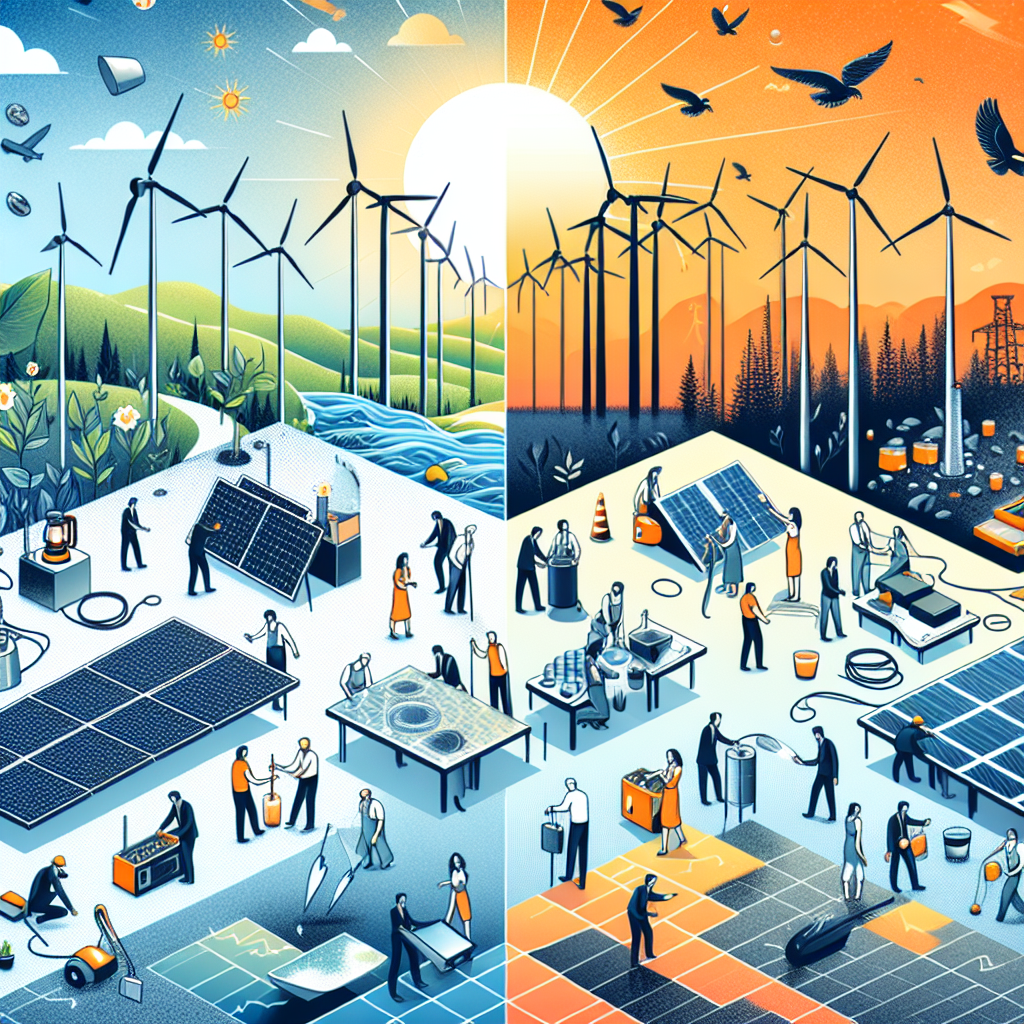
Energy Independence: A Bipartisan Goal for the Future
In 2025, energy independence stands as a pivotal goal for nations worldwide, serving as a cornerstone for economic resilience, national security, and environmental sustainability. Achieving energy independence involves reducing dependency on foreign energy sources and enhancing the utilization of local resources. This objective has garnered significant bipartisan support, as leaders across the political spectrum recognize the strategic advantages of securing energy autonomy while fostering innovation in energy technology. This article delves into the multifaceted aspects of energy independence, exploring its importance, current strategies, and the cooperative policies that drive this crucial initiative.
The Importance of Energy Independence
Energy independence is vital for several reasons, first and foremost for national security. The reliance on foreign oil can lead to vulnerabilities, where geopolitical tensions and conflicts could disrupt supply chains and impact economic stability. By investing in domestic energy sources—such as wind, solar, and natural gas—nations can shield themselves from international uncertainties. Moreover, energy independence bolsters economic growth by creating jobs in renewable energy sectors and reducing the trade deficit. According to a 2024 report from the U.S. Department of Energy, a marked increase in local energy production has the potential to create over 1 million new jobs in the renewable sector by 2025.
Additionally, energy independence contributes significantly to environmental goals. The transition to renewable energy sources decreases carbon emissions, which is crucial for combating climate change. As global temperatures rise and extreme weather events become more frequent, the urgency for sustainable energy solutions escalates. The bipartisan Infrastructure Investment and Jobs Act passed in 2021, which allocated funds for clean energy projects, showcases a commitment across the political aisle to support environmentally friendly energy systems. Such initiatives highlight how energy independence not only addresses energy needs but also prioritizes the health of our planet.
Current Strategies for Achieving Energy Independence
To accomplish energy independence, various strategies are being implemented globally, focusing on diversifying energy sources and increasing energy efficiency. The United States has become a leading advocate for domestic energy production through investments in renewable resources. In 2025, projections indicate that renewable energy sources, particularly solar and wind, will meet nearly 50% of the country’s electricity needs. This transition involves substantial government funding, grants for research and development, and tax incentives for businesses that invest in clean energy technologies.
Complementing these efforts is the push for energy efficiency in buildings, transportation, and industry. The Biden administration, along with several Republican leaders, has promoted policies encouraging energy-saving technologies, such as smart grids and advanced battery storage systems. The Energy Independence and Security Act is one such measure that has gained bipartisan support, aiming to enhance energy efficiency standards across various sectors. The goal is clear: reduce energy consumption while ensuring that domestic production can meet national needs.
The Role of Technology in Energy Independence
Technological advancements are at the forefront of the energy independence movement, driving the transition to cleaner energy sources. Innovations in battery storage technology have made it possible to harness renewable energy more effectively. In 2025, breakthroughs in lithium-ion and solid-state batteries are leading the way toward more reliable and efficient energy storage solutions, enabling consumers and industries to utilize solar and wind energy even during non-productive hours. These advancements are crucial for balancing supply and demand, making renewable energy a more viable alternative to fossil fuels.
Moreover, developments in carbon capture and storage (CCS) technologies are gaining traction, allowing existing fossil fuel power plants to reduce their emissions significantly. By collaborating on CCS research, both Democratic and Republican leadership see the potential to transition the current energy infrastructure while minimizing economic disruptions. The deployment of such technologies plays a key role in the broader strategy for achieving energy independence while managing the existing energy system’s transition towards sustainability.
Another vital technology driving energy independence is smart grid systems. These advanced electrical grids optimize electricity distribution, enabling real-time management of energy supply and demand. By automating and digitizing the electricity network, smart grids reduce energy waste and facilitate the integration of renewable energy sources. The eventual adoption of smart grid technology, backed by legislation from both sides of the aisle, will be critical for modernizing the energy infrastructure and achieving the ambitious goal of energy independence.
Bipartisan Policies that Support Energy Independence
Increasingly, bipartisan policies designed to support energy independence reflect the need for a unified approach to this pressing issue. One of the most significant legislative efforts is the Bipartisan Infrastructure Law, which includes substantial investments in clean energy infrastructure and technologies. Both parties acknowledge that the shift to renewable energy will require not only financial support but also regulatory frameworks that encourage innovation and the development of new energy systems, ensuring a smoother transition from traditional energy sources.
Furthermore, collaborative initiatives such as the Clean Energy Deployment initiative demonstrate a commitment to fostering renewable energy projects across states. This initiative encourages states to share best practices, incentivizes local governments to prioritize clean energy projects, and establishes metrics to evaluate progress. The collaboration underscores that energy issues transcend party lines, emphasizing that national energy security is a shared responsibility with widespread implications for every citizen.
Additionally, bipartisan support for tax incentives and grants for renewable energy projects has led to substantial growth in the sector. Policies promoting wind and solar energy adoption have been championed by lawmakers on both sides, highlighting the recognition of renewable energy’s potential to enhance energy independence. As the discussion continues, further cooperation may lead to comprehensive energy policies that ensure future generations can enjoy the benefits of secure, sustainable energy sources.
Future Implications of Energy Independence
The implications of energy independence are immense and multifaceted. Economically, achieving energy independence will insulate nations from global oil price fluctuations, leading to more stable energy costs for consumers and businesses. In 2025, as countries like the U.S. witness growth in the renewable sector, energy prices are projected to stabilize, helping mitigate the economic stresses related to energy costs. This stability encourages long-term investments in clean energy technologies and infrastructure.
Environmentally, a commitment to energy independence fosters a more robust approach to tackling climate change. With a reduction in fossil fuel reliance, countries can significantly lower their greenhouse gas emissions, aligning with global climate targets established in agreements like the Paris Accord. Energy independence supports the transition to renewable energy, ultimately contributing to a cleaner and healthier planet, benefiting all nations.
Socially, energy independence can enhance equity in energy access. Improved energy policies lead to greater investment in underprivileged communities, providing them with affordable and renewable energy options. Initiatives focused on energy democracy are essential to ensure that all citizens benefit from advancements in energy independence, creating a future where clean energy is accessible to everyone, thereby addressing social inequality in energy access.
Conclusion
Energy independence is not just a political or economic goal; it is a vision for a sustainable, secure future. Achieving this goal requires a dedicated, bipartisan approach that prioritizes renewable energy investments, technological innovations, and collaborative policymaking. By focusing on energy independence, nations can enhance their security, stimulate economic growth, and foster a healthier environment. As we move forward, the collective commitment to energy independence will undoubtedly shape the landscapes of nations, paving the way for a brighter, greener future.
FAQs
What is energy independence?
Energy independence refers to a nation’s ability to meet its energy needs without relying on foreign sources of energy. This concept is critical for enhancing national security, promoting economic stability, and reducing the impact of global energy price fluctuations.
Why is energy independence a bipartisan goal?
Energy independence is recognized by both political parties as essential for economic growth, national security, and environmental sustainability. Collaborative efforts across party lines aim to develop a resilient energy infrastructure while fostering technological advancements in renewable energy.
How does technology impact energy independence?
Technological advancements in energy production, such as battery storage, renewable energy systems, and smart grids, play a crucial role in achieving energy independence. These innovations help optimize energy use, reduce reliance on fossil fuels, and improve the overall sustainability of energy systems.
What are some current examples of energy independence initiatives?
In 2025, significant initiatives include the Bipartisan Infrastructure Law, which invests in renewable energy projects, and local/state collaborations to share best practices in clean energy deployment. These efforts aim to accelerate the transition towards a more sustainable energy future.
What role do renewables play in achieving energy independence?
Renewable energy sources like solar, wind, and bioenergy are central to achieving energy independence. By harnessing local resources, countries can reduce their dependency on imported fuels, enhance energy security, and contribute to environmental sustainability.