Essential Gear: How Proper Equipment Can Prevent Injuries

Essential Gear: How Proper Equipment Can Prevent Injuries
The importance of using proper equipment cannot be overstated when it comes to preventing injuries during physical activities, whether you are an athlete, weekend warrior, or fitness enthusiast. In 2025, innovations in technology and ergonomic design have made it easier than ever to access high-quality gear that enhances safety and performance. This article explores essential gear that acts as a barrier against injuries, emphasizing the significance of selecting the right tools for your activities. By understanding how proper equipment can mitigate risks, you can prioritize your safety and ensure a more enjoyable experience.
The Role of Proper Footwear in Injury Prevention
Proper footwear is fundamental in preventing injuries across various sports and physical activities. In 2025, the shoe industry continues to evolve, integrating advanced materials and technology. For example, running shoes with adaptive cushioning systems provide tailored support for different runners’ gaits while maintaining stability. These innovations help absorb shock, reduce impact on the joints, and enhance overall comfort. Wearing the correct footwear reduces the risk of stress fractures, sprains, and other common injuries associated with high-impact exercises.
Furthermore, the significance of specialized footwear cannot be overlooked. Athletes in different sports, such as basketball, soccer, or hiking, need shoes designed explicitly for their respective activities. Soccer cleats, for instance, offer traction on grass and turf without compromising agility. In contrast, court shoes are built for lateral movement. By investing in proper footwear tailored to your specific activities, you enhance your performance and decrease the likelihood of sustaining injuries.
Selecting the Right Protective Gear
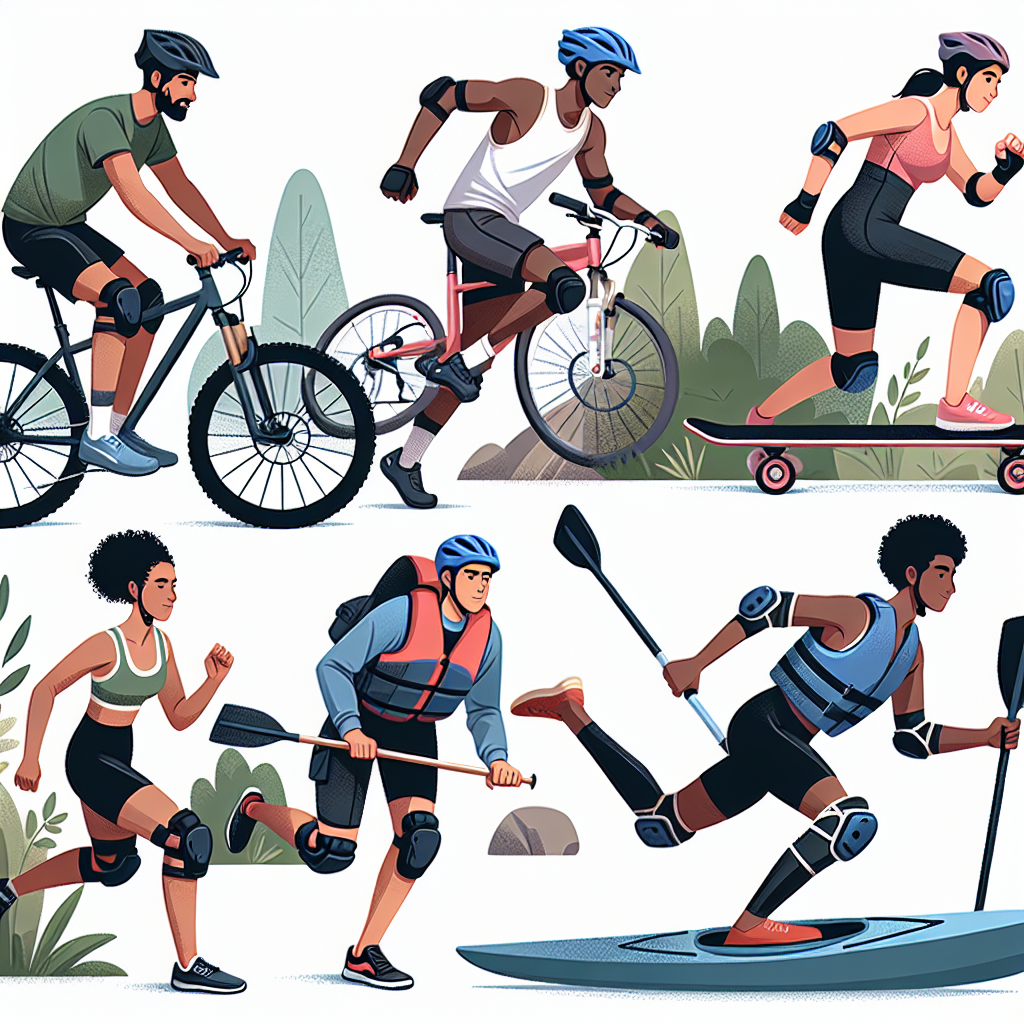
Protective gear is vital for anyone engaged in high-risk activities such as contact sports, cycling, or adventure sports. Helmets, pads, and guards are essential for safeguarding against traumatic injuries. In 2025, the emergence of lightweight materials without compromising durability has transformed protective gear. Advanced designs provide superior ventilation, ensuring that athletes remain comfortable and cool during intense physical exertion.
Moreover, the correct application of protective equipment plays a critical role in effective injury prevention. For instance, a properly fitted helmet can significantly reduce the risk of concussions for cyclists and athletes in contact sports. The importance of fit cannot be overstated; ill-fitting gear may fail to provide adequate protection or even cause discomfort that affects performance. Always ensure that protective gear is worn at all times and adjusted correctly for maximum protection.
The Benefits of Functional Training Equipment
Functional training equipment has gained popularity for its role in enhancing overall fitness while reducing the chances of injuries. In 2025, tools such as resistance bands, kettlebells, and stability balls have become staples for both amateur and professional athletes. These tools allow for a variety of movements that mimic real-life activities, potentially improving strength and flexibility while reducing injury risk.
Incorporating functional training into your routine can offer multiple advantages. By using equipment that targets specific muscle groups and encourages dynamic movement, you promote better coordination, strength, and stability. This comprehensive development helps create a robust support system for your joints, ultimately leading to greater resilience against injuries during physical activities.
Flexibility is another crucial factor in injury prevention that can be enhanced with functional training equipment. Tools like foam rollers and resistance bands can aid in stretching and rehabilitation. These practices assist in improving range of motion and alleviating muscle tension, which are essential components for any fitness routine. By incorporating these assets into your workouts, you can significantly reduce the likelihood of strains and sprains.
The Importance of Activity-Specific Gear
As every sport offers unique challenges, having activity-specific gear is essential in safeguarding against injuries. In 2025, the market for specialized gear has expanded, providing athletes with tailored solutions aligned with their sport’s demands. For example, specific types of shoes, protective gear, and clothing that promote performance and comfort have become widely available, and it’s crucial to invest in these resources.
In team sports, wearing the correct jerseys and protective pads is vital for minimizing injuries. For example, in football, shoulder pads are designed not only to protect but also to allow for mobility and performance. Meanwhile, lightweight climbing gear provides safety without compromising movement, ensuring enthusiasts can focus on performance rather than safety concerns.
Beyond sports, the necessity of specialized gear extends to everyday activities. Using the right equipment for tasks such as weightlifting—such as weight belts and proper gloves—can protect the back and hands, respectively. The key to maintaining safety is the understanding that each activity carries unique risks, which can be mitigated through the intentional selection of the corresponding gear.
<h2.Essential Accessories for Injury Prevention
In 2025, essential accessories have emerged as integral components of any injury prevention strategy. Factors like hydration, nutrition, and rest are vital and can be supported through specialized accessories. For instance, hydration packs and bottles designed to maintain optimal hydration levels can improve performance and recovery during intense physical activities. Staying adequately hydrated reduces cramping and fatigue, substantially lowering the risk of injuries.
Moreover, nutrition accessories, such as fitness trackers and apps, are revolutionizing how athletes manage their health. These devices offer insights into calorie consumption, macronutrient balance, and hydration levels, allowing athletes to optimize their performance while minimizing the risk of injuries related to poor fueling or overtraining.
Finally, sport-specific recovery tools like massage guns and compressive sleeves play a crucial role in injury management and prevention. Massage guns facilitate muscle recovery by increasing circulation and alleviating soreness. Compressible sleeves offer both warmth and support, which can reduce swelling and muscle fatigue post-workout.
Conclusion
In summary, proper equipment is a cornerstone of injury prevention across various physical activities, from casual workouts to elite sports. In 2025, advancements in technology and design provide athletes and fitness enthusiasts with a plethora of options that enhance safety and performance. By prioritizing appropriate footwear, selecting protective gear, embracing functional and activity-specific equipment, and utilizing crucial accessories, individuals can significantly diminish their risk of injuries. Ultimately, investing in essential gear not only ensures personal safety but also enhances overall performance and enjoyment of the activity at hand.
FAQs
What types of footwear are best for injury prevention?
Invest in shoes that are designed specifically for your activity. Running shoes with adaptive cushioning, sports cleats for football or soccer, and cross-trainers for general fitness all serve different purposes and can help reduce the risk of injury.
How can protective gear contribute to injury prevention?
Protective gear, such as helmets, pads, and guards, is designed to absorb impact and protect vulnerable body parts from injury. The effectiveness largely depends on proper fit and consistent use.
What are functional training equipment’s benefits?
Functional training equipment, such as resistance bands and kettlebells, mimics real-life movements, improving overall strength, flexibility, and stability, which collectively enhance injury prevention.
Why is activity-specific gear necessary?
Activity-specific gear is tailored to enhance performance and safety in various sports. Using specialized equipment minimizes risks associated with that sport, making it an essential investment.
How can accessories aid in injury prevention?
Accessories like hydration packs, nutrition trackers, and recovery tools support overall well-being, ensuring proper hydration, nutrition, and recovery, thus reducing the likelihood of injuries during and after physical activities.