Expanding Accessibility in Sports Through Assistive Tech
Introduction
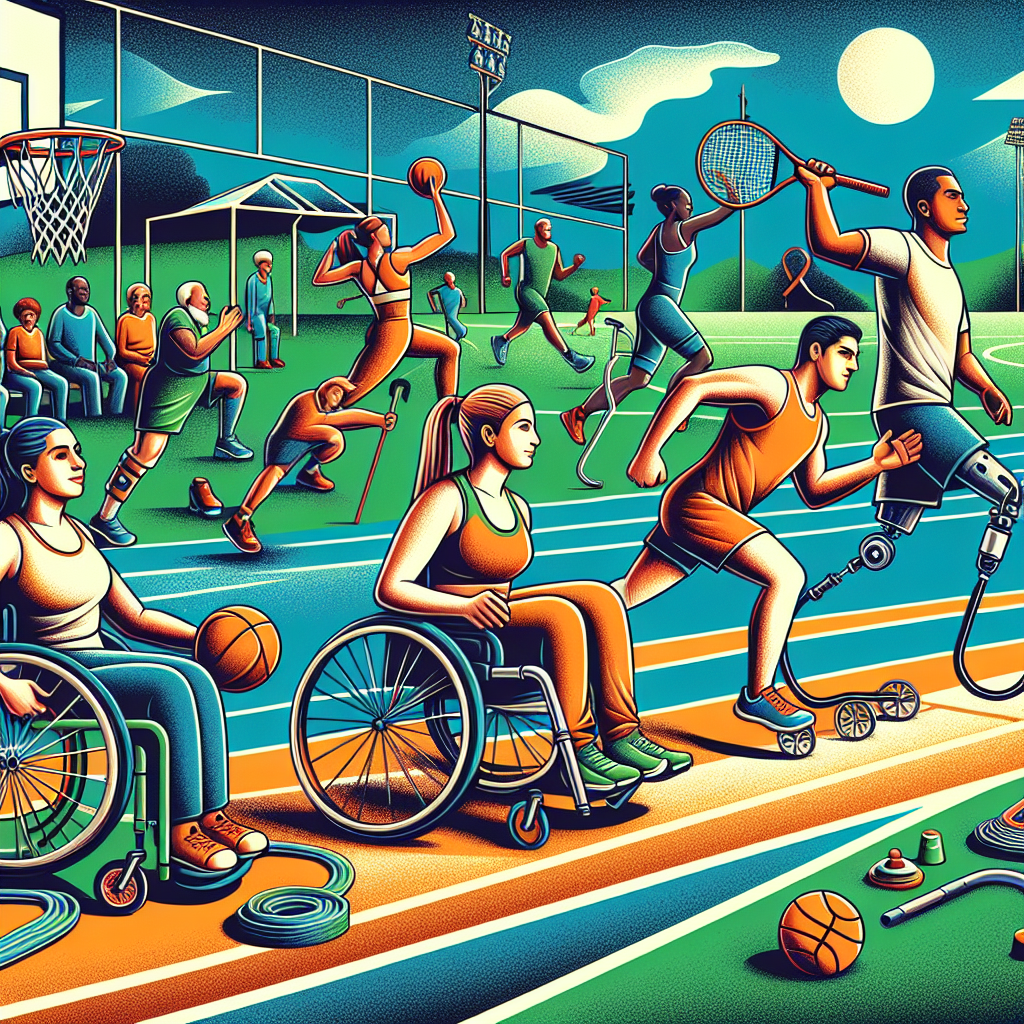
As we advance into 2025, the importance of expanding accessibility in sports cannot be overstated. Assistive technology is playing a pivotal role in breaking down barriers and creating inclusive environments where athletes of all abilities can participate and thrive. Through innovative devices, adaptive equipment, and progressive policies, sports organizations are redefining what it means to be an athlete. This article explores how assistive tech is transforming the landscape of sports, fostering inclusion, and empowering individuals with disabilities to engage in competitive and recreational activities.
Assistive Tech Innovations Transforming Sports
The realm of assistive technology is rapidly evolving, offering innovative solutions that redefine accessibility in sports. Devices such as adaptive wheelchairs, exoskeletons, and advanced prosthetics are becoming mainstream in various competitive sports. For instance, the development of lightweight, high-performance wheelchairs allows athletes with mobility impairments to compete in sports like basketball and rugby with the same level of agility as their able-bodied counterparts. These innovations not only enhance performance but also promote inclusivity, allowing athletes to push their limits and achieve personal bests.
In addition to mobility aids, technological advancements such as augmented reality (AR) and virtual reality (VR) are also being utilized in training environments. These tools can simulate realistic sports scenarios, enabling athletes with disabilities to practice and hone their skills safely. By making training more accessible, athletes can experience a more engaging and comprehensive preparation for competition. Further, the use of sensors and wearables provides real-time feedback, helping coaches and athletes optimize training regimens tailored to individual needs.
Creating Inclusive Sports Environments
Inclusivity in sports is not just about providing the right equipment; it’s about fostering an environment where everyone feels welcome and valued. Sports organizations are increasingly adopting policies that promote diversity and inclusion. For example, the International Paralympic Committee has established guidelines encouraging the integration of athletes with disabilities into mainstream sports whenever possible. This inclusive approach helps break down societal barriers and change perceptions, highlighting the abilities rather than disabilities of athletes.
Moreover, community programs are being implemented worldwide to increase participation among individuals with disabilities. Local sports clubs are adapting their facilities and training methods to accommodate athletes with various needs. By providing tailored training sessions and creating inclusive recreational leagues, these initiatives not only support athletes but also educate the community about disability awareness and inclusion in sports. The emphasis on inclusivity ensures that every athlete has the chance to experience the benefits of physical activity and competition, forging strong community ties.
The Role of Adaptive Equipment in Sports
Adaptive equipment plays a crucial role in enabling athletes with disabilities to participate meaningfully in sports. Customizable sports gear, such as baseball gloves, helmets, and track shoes, are designed to meet individual needs, enhancing functionality and performance. For example, specialized basketballs designed for athletes with visual impairments feature audio cues, allowing players to locate the ball through sound, thus enabling them to participate actively in the game.
As we head into 2025, the manufacturing of bespoke equipment continues to advance, focusing not only on performance but also on comfort and usability. Companies are investing in research and development to create products that can be easily modified to suit varying levels of ability. Javelins and discus designed for wheelchair athletes, for instance, incorporate unique designs and weights to ensure fair competition among differently-abled athletes.
The intersection of technology and adaptive equipment further revolutionizes the sporting world. Smart equipment that incorporates IoT technology can provide athletes and coaches with valuable performance data, allowing for more personalized training strategies. This not only helps athletes improve their skills but also fosters a deeper understanding of their capabilities, driving them toward higher achievements and confidence in their abilities.
Advancements in Training Techniques for Athletes with Disabilities
Training approaches for athletes with disabilities have witnessed significant advancements due to the integration of assistive technology. Designed with the unique needs of athletes in mind, modern training techniques focus on enhancing skills while also promoting physical wellness. Virtual coaching sessions, utilized through mobile apps, allow athletes to train at their own pace and receive instant feedback, thereby ensuring they can balance their athletic pursuits with daily life challenges.
Moreover, organizations are employing highly skilled trainers who specialize in adaptive sports coaching. These professionals not only understand the complexities of the sports field but are also trained in assistive technology and adaptive equipment. Their expertise facilitates optimum performance levels in athletes with disabilities, ensuring they can compete on an equal footing. Tailored strength and conditioning programs designed for para-athletes help them build resilience while equipping them with the skills necessary for their sports.
Furthermore, nutritional guidance has also become crucial for athletes with disabilities. Specialized dietary plans that focus on energy needs, recovery, and overall health are being developed to ensure these athletes are performing at their best. Combining proper nutrition with advanced training techniques allows athletes to focus on the skills and strategies that make a difference in competition, promoting both physical and mental wellbeing.
Changing Perceptions and Raising Awareness
As assistive technology continues to expand accessibility in sports, public perception is simultaneously evolving. Documentaries, social media campaigns, and high-profile events are instrumental in highlighting the achievements of athletes with disabilities, fostering a more inclusive and positive attitude toward disability in sports. These narratives challenge stereotypes and empower a new generation of athletes, showcasing their resilience and talent.
Educational institutions are also playing a critical role in raising awareness and promoting inclusivity in sports. Programs that integrate adaptive sports into school curriculums are essential in shaping the understanding of students regarding disability. These initiatives emphasize respect, empathy, and collaboration, demonstrating that everyone can contribute to a cohesive, respectful, and diverse sporting community.
In 2025, corporate sponsorships and partnerships are increasingly focusing on supporting adaptive sports and disabled athletes, reflecting a societal shift toward inclusivity. With more businesses getting involved, funding for adaptive sports is rising, ensuring that athletes with disabilities have the resources they need to compete and excel. Enhanced visibility leads to greater community engagement, paving the way for continued advancements in technology and supportive policies that benefit all athletes.
Conclusion
Expanding accessibility in sports through assistive technology is a transformative journey that continues to evolve in 2025. Innovative devices, inclusive environments, adaptive equipment, improved training techniques, and changing perceptions are all essential components in this movement. The landscape of sports is becoming more welcoming to athletes of all abilities, fostering a spirit of inclusivity and camaraderie. As we harness the power of technology and awareness, the future of sports promises to be a stage where everyone, regardless of ability, can shine and share in the joy of competition.
Frequently Asked Questions
What types of assistive technology are commonly used in sports?
Assistive technology in sports includes adaptive wheelchairs, specialized prosthetics, auditory sports equipment for visually impaired athletes, and wearable devices that monitor performance.
How does adaptive equipment improve athletic performance?
Adaptive equipment is customized to meet individual needs, enhancing mobility, functionality, and comfort. This allows athletes to perform better, focusing on skill development and competitive advantage.
What role do coaches play in the training of athletes with disabilities?
Coaches specializing in adaptive sports develop personalized training regimens, incorporating advanced techniques and equipment to help athletes with disabilities optimize their performance and achieve their goals.
How can communities promote inclusivity in sports?
Communities can promote inclusivity by establishing adaptive sports programs, organizing events that celebrate diversity, and supporting local teams that involve athletes with disabilities.
What future advancements can we expect in assistive technology for athletes?
Future advancements may include enhanced customizations in equipment, integration of AI for personalized training, and improved virtual reality training environments, making sports even more accessible.