Exploring the Intersection of Biomechanics and Technology

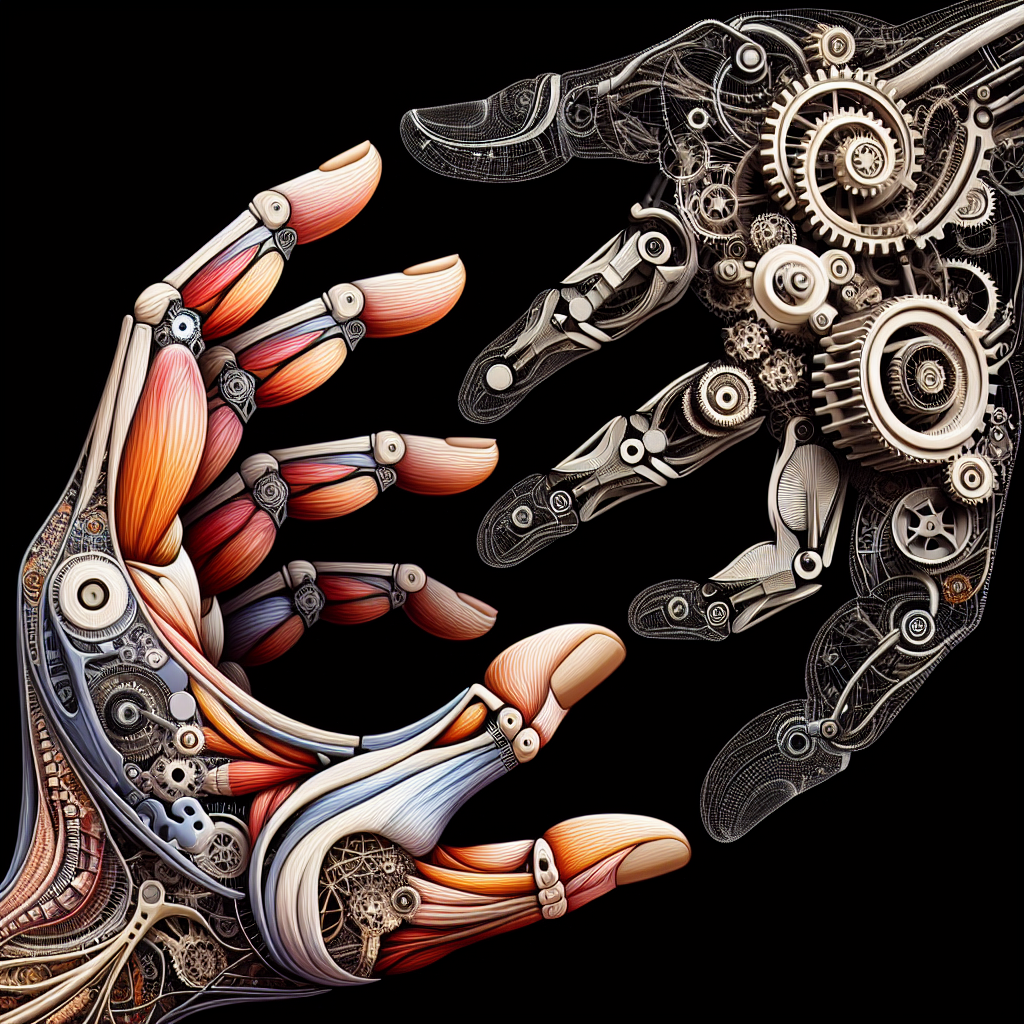
The field of biomechanics, which is the study of the mechanical laws relating to the movement or structure of living organisms, has seen tremendous advancements with the integration of technology. As we delve into 2025, the intersection of biomechanics and technology has transformed not only how we understand human movement but also how we enhance it through innovative devices and techniques. This exploration sheds light on the symbiotic relationship between biomechanics and technological advancements, illustrating their collective impact on sports, rehabilitation, health care, and even wearable tech.
The Role of Wearable Technology in Biomechanics
In recent years, wearable technology has taken the world by storm, particularly in the fields of fitness and sports. By employing sensors that monitor variables such as heart rate, motion, and muscle activity, these devices offer unprecedented insights into biomechanical performance. In 2025, wearable tech has evolved from simple fitness trackers to sophisticated systems capable of providing biomechanical data that athletes and coaches can use to enhance performance and prevent injuries. This evolution includes smart clothing embedded with sensors that analyze biomechanics in real-time, helping users understand their movement patterns better.
The implications of these advancements are significant. For instance, using advanced algorithms and machine learning, data collected from wearables can identify patterns that predict the likelihood of fatigue or injury. Sports teams are now integrating this data into their training regimens to optimize performance and ensure athlete well-being. Consequently, wearable technology stands at the forefront of biomechanics, offering an objective approach to performance enhancement and injury prevention.
Robotics and Prosthetics: Shaping the Future of Biomechanics
The integration of robotics into biomechanics has ushered in a new era of rehabilitation and mobility. Smart prosthetics and exoskeletons designed with advanced biomechanical principles allow individuals with mobility impairments to regain independence. These devices now use sensors and motors that mimic natural human movement, responding to the user’s intent in real-time. By the year 2025, sophisticated bionic limbs equipped with artificial intelligence are capable of learning and adapting to an individual’s unique walking pattern, enhancing the efficacy and comfort of prosthetic use.
Moreover, rehabilitation robotics continues to advance, significantly aiding recovery after injuries or surgeries. Robotic systems that guide patients through exercises while providing real-time feedback on motion quality have increasingly become standard in physical therapy. Such devices not only enhance recovery speed but also ensure that patients perform exercises correctly, reducing the risk of misuse and further injury. As technology continues to improve, the potential for robotic applications in biomechanics promises to revolutionize how we approach mobility and rehabilitation.
The Influence of Artificial Intelligence on Biomechanics
Artificial intelligence (AI) is playing an increasingly vital role in biomechanics research and application. The integration of AI allows for enhanced data processing and predictive analytics, offering insights that were previously unattainable. In 2025, biomechanists utilize machine learning algorithms to analyze large datasets from various sources, allowing for the identification of trends and patterns within human movement. These insights foster improvements in athlete training programs, as coaches can tailor specific regimens based on data-driven decision-making rather than intuition alone.
Additionally, AI-driven biomechanical analysis tools are making their way into injury prevention strategies. By employing computer vision technologies, AI systems can analyze video footage to assess an athlete’s form and technique during practice or competition. This real-time feedback provides athletes the opportunity to make immediate adjustments, greatly enhancing their performance and reducing injury risks. With the continuous growth of AI in biomechanics, we have a roadmap towards not only improving training and athletic performance but also establishing preventative measures that can ensure long-term health.
Biomechanics and Virtual Reality: A New Dimension in Training
Virtual reality (VR) has emerged as a groundbreaking tool in biomechanics, offering immersive training environments that can replicate real-world scenarios. In 2025, VR applications have advanced to provide athletes with simulations that closely mimic competition settings, allowing them to practice and refine their skills in a controlled environment. By integrating motion capture technologies with VR, players can receive immediate feedback on their technique, encouraging faster learning and adaptability.
Moreover, VR training programs are also making waves in physical rehabilitation. Patients can engage in virtual exercises designed to improve their biomechanical movement patterns while enjoying a more engaging and less monotonous recovery process. Through gamification and immersive experiences, patients are often more motivated to participate actively in their recovery journey, which can accelerate progress and lead to improved outcomes.
As VR technology continues to evolve, its potential to enhance both training regimens and rehabilitation programs highlights the significant impact of the intersection between biomechanics and technology.
The Future Prospects of Biomechanics and Technology
Looking ahead, the future of biomechanics intertwined with technology is promising yet complex. As technologies such as 5G become standard, the ability to transmit biomechanical data in real-time will enhance remote monitoring and coaching capabilities. Coaches and medical professionals will be able to access their athlete’s or patient’s data continuously, fostering a more proactive approach toward training, injury prevention, and rehabilitation. This level of connectivity will also pave the way for community-based programs that can leverage shared data to advance collective understanding of movement science.
Moreover, advancements in biotechnology, such as tissue engineering and biomechanical enhancements, may lead to new treatments for injuries and disabilities. Regenerative medicine, combined with biomechanical principles, could enable the development of solutions that not only restore function but also enhance human physical capabilities. As this research progresses, we may witness the emergence of functional enhancements through biomechanical interventions, providing a fascinating glimpse into the abilities of humans beyond their biological limitations.
As the dialogue about ethics and safety continues surrounding these innovations, it remains crucial to ensure that the benefits of enhanced biomechanics and technology are accessible while mitigating potential risks. The future trajectory of biomechanics technology holds the potential for both empowering individuals and opening discussions about the ethical ramifications of enhancing human capabilities in unprecedented ways.
Conclusion
The intersection of biomechanics and technology represents not just a field of academic inquiry, but a practical realm that will shape the future of sports, rehabilitation, and human function. From wearable tech that provides real-time data to advanced robotics improving the quality of life for those with mobility impairments, the applications of this intersection are expanding rapidly. The influence of AI and virtual reality in training and rehabilitation offers promising solutions that engage users while promoting effective learning and recovery. Looking forward, the future of biomechanics and technology is rich with opportunities for innovation, requiring a careful balance between leveraging technological advancements and addressing ethical considerations.
FAQs
What is biomechanics and how does it relate to technology?
Biomechanics is the study of how biological systems move within the laws of physics. In relation to technology, various technological advancements, such as sensors and AI, have been integrated into biomechanics to enhance understanding and application in fields like sports, rehabilitation, and wearable devices.
How do wearable devices aid in biomechanics?
Wearable devices, such as fitness trackers and smart clothing, provide real-time data on movement, performance, and physiological metrics. This information helps athletes optimize training, prevent injuries, and recover more effectively by analyzing biomechanical patterns.
What role does AI play in biomechanics?
AI plays a crucial role in biomechanics by providing powerful analytical tools that process large data sets and derive insights. This assists in training optimization, injury prediction, and overall performance enhancement, allowing for personalized coaching based on objective data.