From Protest to Policy: The Journey of Activist Movements
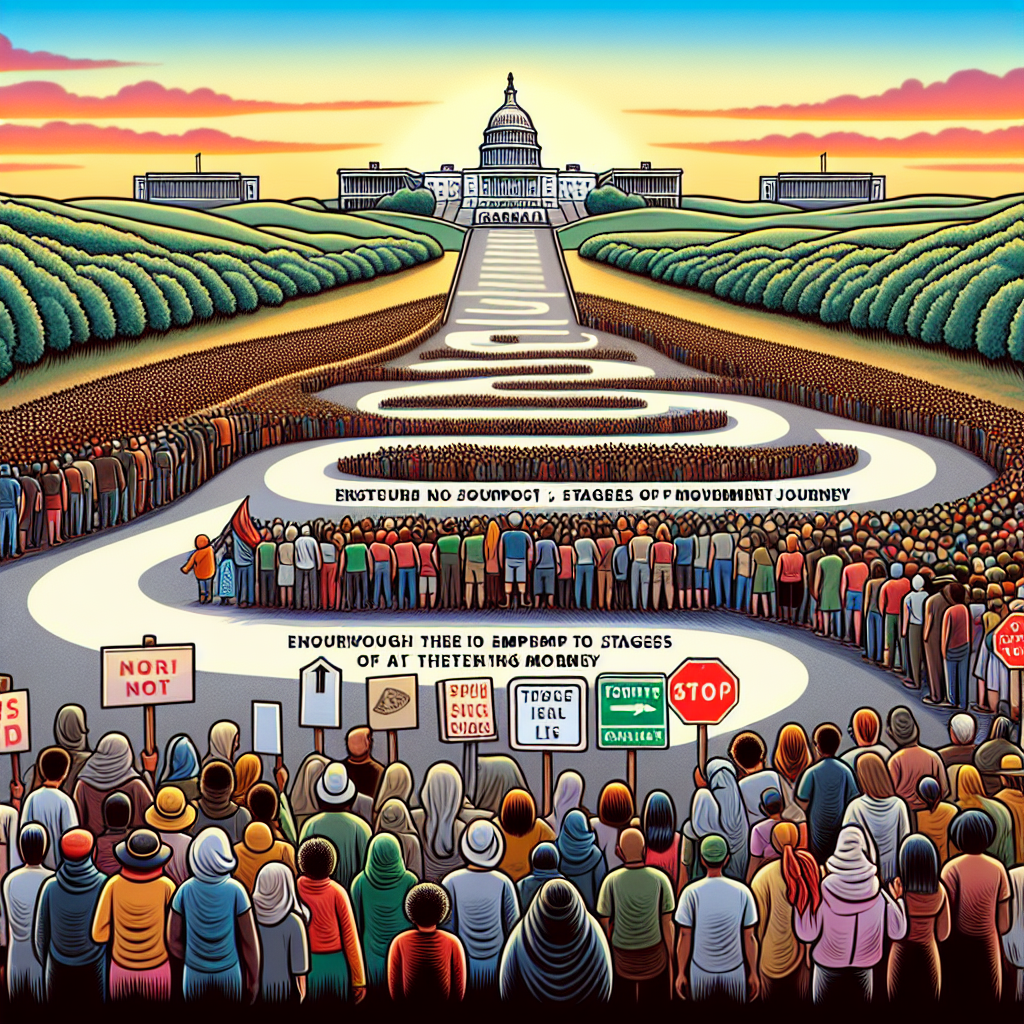
From Protest to Policy: The Journey of Activist Movements
In recent years, the landscape of activism has evolved dramatically, reflecting the pressing issues of our time and the collective voices advocating for change. Understanding the journey from protest to policy sheds light on how grassroots movements can influence legislation, promote social justice, and shape public opinion. This article explores the milestones of activist movements, analyzing the essential strategies, challenges faced, and the eventual transformation of protests into effective policies.
The Power of Collective Action in 2025
Throughout history, collective action has been a cornerstone of social movements. In 2025, we see a resurgence of grassroots activism fueled by digital platforms that allow activists to connect, organize, and mobilize like never before. Movements surrounding climate change, racial equity, and gender rights have witnessed a significant increase in public engagement, highlighting the potency of collaborative efforts. Social media has become the engine of these movements, enabling real-time communication and facilitating the rapid dissemination of information. Activists are no longer confined to traditional methods; they now utilize hashtags, viral campaigns, and online petitions to galvanize support and raise awareness.
As the climate crisis escalates, young activists around the globe have taken center stage, employing strategies that blend digital activism with on-the-ground protests. Events like the global climate strikes linked movements across continents, emphasizing the urgency of their cause. In 2025, these protests have not only heightened awareness but have also pressured governments to prioritize climate-related legislation, showcasing how collective action can translate into significant policy discussions.
The Role of Media in Mobilizing Movements
In the current era, media plays a pivotal role in both the visibility and effectiveness of activist movements. The year 2025 has seen a notable evolution in how movements are reported and perceived, especially with the rise of independent journalism and citizen reporting. These platforms have allowed marginalized voices to share their narratives, making it possible for broader audiences to grasp the nuances of various social issues. Coverage of movements surrounding gun violence, LGBTQ+ rights, and healthcare reform has benefitted from diverse representational angles, ensuring that the complexities and demands of these movements are adequately addressed.
Moreover, the interplay between mainstream media and citizen-generated content creates a feedback loop that amplifies calls for change. In 2025, traditional media outlets are often scrutinized for biases, prompting them to provide more thorough coverage of social justice issues. This dynamic not only informs public opinion but also places additional pressure on policymakers to respond to the issues spotlighted by these movements. As media coverage continues to evolve, it remains a vital tool in the journey from protest to policy, making it essential for activists to strategize their media engagement effectively.
Strategies for Effective Activism in Today’s World
Successful activism requires a multifaceted approach that goes beyond protests and rallies. As movements transition from immediate action to sustainable impact, comprehensive strategies emerge as vital components of their success. In 2025, activists are leveraging data analytics to articulate the urgency of their causes persuasively. By presenting evidence-based arguments backed by research, activists are better equipped to influence policy discussions and decisions. This strategic use of information enhances credibility and enables movements to attract a more diverse coalition of supporters.
In addition to data, building coalitions has proven effective in gaining traction for activist movements. The collaboration between various interest groups—such as environmental organizations partnering with labor unions—demonstrates the power of unity in advocating for shared goals. These coalitions have shown that a diverse range of voices can advocate for comprehensive policy solutions that appeal to a broader constituency. By fostering inclusive dialogue and building solid networks, activist movements in 2025 can amplify their demands and increase their chances of achieving policy victories.
Furthermore, grassroots fundraising has become a cornerstone for sustaining activism in the long term. In 2025, digital crowdfunding platforms enable movements to secure the necessary financial resources to support ongoing initiatives. Micro-donations from supporters can accumulate into substantial funding, allowing activists to hire staff, organize events, and conduct research. This financial independence from larger institutions ensures that activist movements maintain their integrity and prioritize the needs of their communities.
Challenges Faced by Activist Movements
Despite their successes, activist movements in 2025 encounter numerous challenges that can impede their progress from protest to policy. One significant barrier is the phenomenon of “activist fatigue,” where individuals may feel overwhelmed or disillusioned by the persistent nature of social issues. The demand for continued engagement can lead to burnout among activists, affecting their ability to sustain momentum. This challenge calls for a focus not only on mobilization but also on community well-being and compassionate collaboration among activists. Recognizing the importance of mental health and mutual support within movements can help counteract the detrimental effects of fatigue.
Another critical challenge is the response from authorities and the legal system. In many cases, governments have resorted to tactics aimed at quelling protests, such as imposing stricter laws on assemblies or countering activist narratives with misinformation campaigns. In 2025, increased surveillance and policing of protests have raised concerns about civil liberties and the right to dissent. Activist movements must strategize their tactics to navigate these obstacles while ensuring that they can effectively carry their message to the public.
Additionally, internal divisions within movements can pose significant challenges. Differing ideologies, strategies, and priorities may lead to fragmentation, undermining collective strength. To combat this issue, fostering clear communication and establishing common goals among diverse groups is essential. Creating platforms for dialogue, understanding, and compromise will be critical in maintaining solidarity and effectiveness in the fight for social justice.
Transforming Protests into Legislation
A vital aspect of the journey from protest to policy is the ability of activist movements to transform public sentiment into concrete legislative change. In 2025, we have witnessed several instances where sustained activism has resulted in tangible policy advancements. Noteworthy cases include the successful lobbying for stricter gun control laws following massive protests advocating for gun safety. These movements demonstrated the power of strategy, forming coalitions with legislators sensitive to their cause, and effectively communicating the need for legislative action in the wake of tragic events.
Moreover, the intersectionality of movements has become increasingly apparent, where one cause informs another. The Black Lives Matter movement has spurred discussions on racial justice, police reform, and economic equality, creating a multifaceted approach to policy advocacy. This connection has led to the introduction of comprehensive bills addressing systemic racism, demonstrating how protest movements can evolve into broader policy dialogues, ultimately resulting in lasting legislative changes.
Advocacy within the policymaking process has also evolved, with movements in 2025 increasingly engaging in lobbying efforts to ensure their voices are heard. Mobilizing supporters to contact their representatives, participate in town hall meetings, and directly advocate for their legislative goals has become a fundamental aspect of translating public sentiment into policy. This level of engagement encourages lawmakers to prioritize their constituents’ concerns, illustrating the importance of maintaining open lines of communication between activists and policymakers.
Conclusion
The journey from protest to policy is a complex process that involves numerous actors, strategies, and challenges. As we progress through 2025, the impact of activist movements on legislation and public policy remains profound. By harnessing the power of collective action, leveraging media, adopting effective strategies, addressing challenges, and engaging in direct advocacy, movements can influence the political landscape significantly. Understanding this journey not only provides insights into the mechanics of activism but also highlights the importance of persistence, solidarity, and innovation in the pursuit of social change. As activists continue to mobilize for justice and equality, their ability to turn passionate protests into meaningful policy change will be critical in shaping a better future.
FAQs
What are some recent examples of successful activist movements in 2025?
In 2025, notable examples include climate activism leading to new environmental legislation, the Black Lives Matter movement advocating for police reform, and gender equality campaigns driving changes in workplace policies.
How do social media platforms influence modern activism?
Social media platforms facilitate real-time communication, mobilization, and the dissemination of information, allowing activists to reach larger audiences, connect with supporters, and amplify their messages on a global scale.
What are the common challenges activist movements face?
Challenges include activist fatigue, governmental repression, misinformation, and internal divisions within movements, which can hinder their effectiveness and progress toward achieving policy change.