Gamification in Sports Training: Engaging the Next Generation
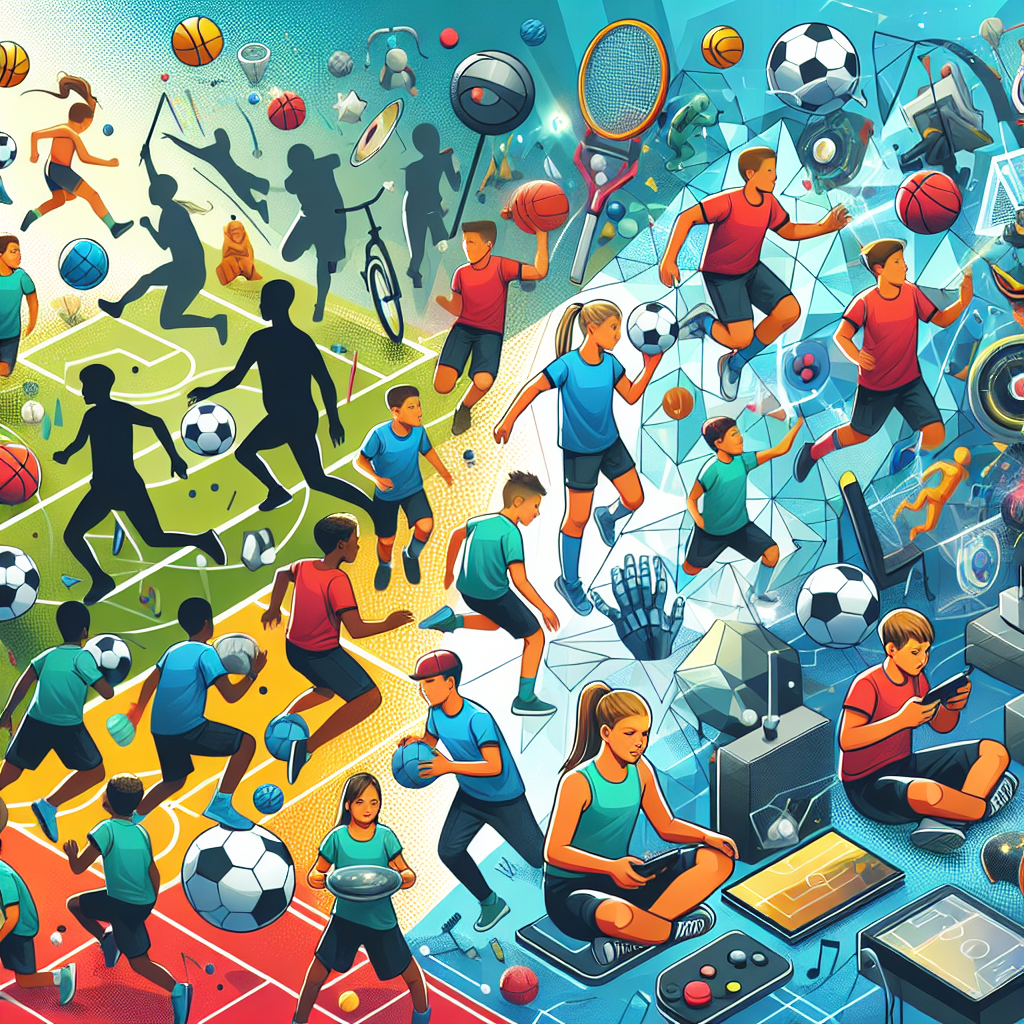
Gamification in Sports Training: Engaging the Next Generation
In 2025, the landscape of sports training has evolved, integrating technology with comprehensive training strategies to foster engagement and enhance performance. Gamification in sports training is at the forefront of this transformation, using game-like elements to motivate athletes, particularly the younger generation. This innovation not only makes training more enjoyable but also promotes a culture of competitiveness and teamwork. In a world where attention spans are shorter, gamification presents a revolutionary approach to engage the next generation of athletes and ensure they persist in their training endeavors.
The Role of Gamification in Sports Training
Gamification refers to the application of game design elements in non-gaming contexts to enhance user engagement and motivation. In sports training, this concept has gained significant traction, as traditional methods often struggle to keep younger athletes focused and motivated. By incorporating gamified elements—such as points, leaderboards, and challenges—coaches can create a dynamic training environment that resonates with the digital habits of Gen Z and Alpha learners. For instance, using apps that track performance and allow athletes to compete against their peers can stimulate a friendly rivalry, driving participants to push their limits.
Moreover, gamification encourages athletes to set personal goals and milestones, providing them with a clear path to improvement. Instead of solely focusing on skill development, gamified training views progress through the lens of game mechanics, making each training session a stepping stone towards a larger objective. This can be particularly effective for youth athletes who may find conventional training repetitive; such a structure transforms their experiences, fostering a sense of accomplishment as they level up in their skills and fitness.
Benefits of Gamified Sports Training
One of the most notable benefits of incorporating gamification into sports training is increased motivation. Young athletes today are accustomed to interactive and engaging digital experiences, primarily from video games and mobile applications. By adapting these familiar aspects into training routines, coaches can tap into the natural competitive spirit of young athletes, making them more eager to train. The introduction of rewards—be it virtual badges, ranks, or real-world incentives—creates an environment where students are driven not just by the desire to improve but also to achieve recognition and status among their peers.
Additionally, gamification fosters social interaction among athletes. Platforms designed for team training can integrate social features that allow players to communicate, collaborate, and challenge each other. This sense of community is vital for youth development; it promotes teamwork and camaraderie, essential elements in any sport. When athletes are encouraged to work together to overcome challenges, they not only improve their individual abilities but also develop valuable social skills that extend beyond the field.
Technology as a Catalyst for Gamification
The rise of technology in sports training is a significant driving force behind the gamification trend. With wearable devices, mobile apps, and virtual reality (VR) becoming commonplace, coaches can implement sophisticated training programs that offer real-time feedback and progress monitoring. Devices that track metrics such as speed, endurance, and accuracy can feed data directly into gamified systems, where athletes accumulate points based on their performance. This immediate feedback loop is not only motivating but also allows for tailored training plans that adapt to the athlete’s progress and needs.
Moreover, Virtual Reality (VR) and Augmented Reality (AR) applications are revolutionizing how athletes experience training. These technologies facilitate immersive environments where players can practice skills in simulated scenarios relevant to their sport. For example, a soccer player can train in a virtual setting that mimics real-game situations, enhancing their strategic thinking and reaction times. The gamified layers added to these experiences, such as time challenges and skill-based missions, further enhance engagement, making training feel like an adventure rather than a chore.
Furthermore, data analytics plays a crucial role in streamlining gamified training programs. Coaches can leverage insights from performance metrics to create personalized and adaptive training regimens. The ability to track an athlete’s progress over time helps in identifying areas for development, variants in performance, and even predicting potential injuries. This informed approach, when combined with gamified elements, allows for a comprehensive training experience that prioritizes athlete well-being and development, creating a more sustainable path in sports careers.
Challenges and Considerations in Gamifying Sports Training
While gamification presents numerous benefits for sports training, it is vital to approach its implementation thoughtfully. One of the primary challenges is ensuring that the gaming elements do not overshadow the actual skill development and the essence of the sport. There is a risk that young athletes may become so focused on competing for points or badges that they lose sight of the foundational skills and teamwork necessary for success. Coaches must strike a balance, ensuring that gamified training complements traditional methods rather than replacing them.
Another challenge lies in the potential for inequity in access to technology. Not all athletes may have access to cutting-edge devices or apps that allow for gamified experiences, leading to disparities in training outcomes. Coaches and sports organizations must navigate these inequalities, striving to provide inclusive options that reach all athletes, irrespective of their socioeconomic backgrounds. Establishing community programs or partnerships with tech companies can be practical ways to mitigate these issues while promoting equitable access to innovative training methods.
Lastly, the psychological impacts of gamification must be carefully examined. While healthy competition can be beneficial, excessive pressure to perform for rewards may lead to stress, burnout, or anxiety. It’s essential to foster an environment where fun and learning take precedence over purely competitive aspects. Coaches should encourage athletes to focus on personal growth and skill mastery, utilizing gamification as a tool to enhance those experiences rather than becoming the sole motivator.
The Future of Gamification in Sports Training
As we look ahead, the future of gamification in sports training appears promising, with technological advancements continuously reshaping the landscape. In 2025, we anticipate the rise of more sophisticated platforms that integrate artificial intelligence (AI) for hyper-personalized training experiences. These platforms can analyze an athlete’s performance data not only in real-time but also over extended periods, allowing for predictive analytics that help in tailoring future training sessions.
Additionally, expanded cross-sport gamification trends are emerging, where athletes from different disciplines can interact on shared platforms. Such collaborations can foster a richer training environment, allowing athletes to learn from one another, share insights, and even partake in multi-sport challenges. This crossover not only maintains engagement but also promotes versatility in skills, essential in a world that increasingly values multipurpose athletes.
Finally, we foresee a rise in integration with educational institutions and youth sports organizations. Schools can incorporate gamified sports training into their curriculums, teaching essential life skills such as teamwork, resilience, and strategic thinking while promoting physical activity. This holistic approach not only nurtures future athletes but also aligns with broader health and wellness initiatives, reinforcing the notion that sports training can play a vital role in developing well-rounded individuals.
Conclusion
Gamification in sports training showcases a powerful blend of technology and human motivation, engaging the next generation of athletes in innovative ways. By harnessing game mechanics, coaches can significantly enhance motivation, social interaction, and personalized training experiences, ensuring that young athletes remain invested in their development. While challenges such as balancing skill development and managing equitable access remain, the potential for growth and advancement in gamified training is immense. As we look to the future, it is clear that gamification will play a crucial role in shaping the next generation of athletes, making training not just a routine, but an engaging and rewarding journey.
FAQs
What is gamification in sports training?
Gamification in sports training involves integrating game-like elements such as points, leaderboards, and challenges into traditional training methods to enhance motivation, engagement, and performance among athletes.
How does gamification benefit young athletes?
Gamification increases motivation and fosters a sense of community, allows for personalized goal-setting, and makes training more enjoyable. It also helps develop social skills through teamwork and friendly competition.
What technology is used in gamified sports training?
Wearable devices, mobile applications, virtual reality (VR), and augmented reality (AR) are commonly used in gamified sports training to track performance and immerse athletes in dynamic training experiences.
Are there any drawbacks to gamification in sports training?
Yes, potential drawbacks include a possible overemphasis on competition, the risk of burnout or stress, and challenges related to equitable access to technology for all athletes.
What does the future hold for gamification in sports training?
The future of gamification in sports training includes advancements in AI for personalized experiences, cross-sport collaborations, and integration with educational institutions, enhancing both athletic skill and personal development.