Gender Dynamics in Political Opinions: A Deep Dive

Understanding Gender Dynamics in Political Opinions: A Deep Dive
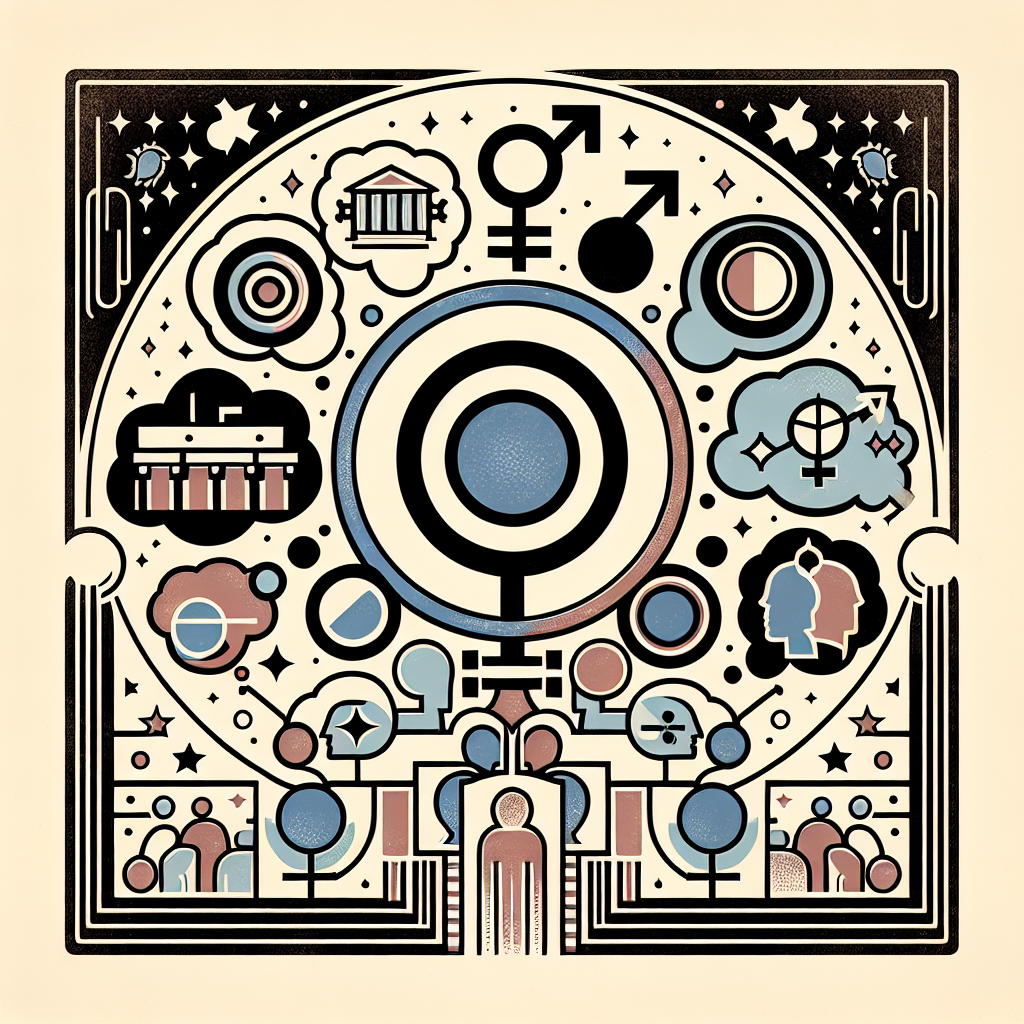
In recent years, the realm of political opinions has become increasingly entangled with issues of gender dynamics. As societies evolve and develop, the role of gender in shaping political perspectives and engagement has gained significant attention from researchers, activists, and policymakers alike. By 2025, gender dynamics in political opinions not only reflect individual beliefs but also underscore broader societal trends and challenges. This article will explore the complex interplay between gender and political opinions, focusing on how these dynamics influence electoral outcomes, legislative priorities, and public discourse.
The Rise of Gender Awareness in Political Discourse
Gender awareness has markedly changed the landscape of political discourse over the last few decades. Particularly since the late 2010s, movements advocating for gender equality, such as #MeToo and Time’s Up, have reshaped how political opinions are formed and expressed. In 2025, political candidates increasingly recognize that their platforms must reflect gender concerns to appeal to a broader electorate. Issues such as reproductive rights, gender equity in the workplace, and LGBTQ+ rights have transformed political campaigns, compelling candidates to take clear stances on issues previously seen as divisive.
Moreover, research indicates that women’s political opinions often diverge significantly from men’s, leading to distinct voting patterns. For instance, a study published in 2024 illuminated how women voters prioritize issues like healthcare and education over defense and taxation, which tend to resonate more with male voters. This divergence makes understanding gender dynamics in political opinions essential for political parties aiming to secure electoral wins and foster inclusive governance.
Impact of Gender Dynamics on Voting Behavior
The influence of gender on voting behavior has been profound, with data trends suggesting that women are becoming increasingly engaged in political processes. By 2025, several elections have demonstrated a marked increase in female voter turnout compared to previous decades. This surge in participation is reflected in the increased number of women running for office, resulting in a more representative landscape within local, state, and national governance. The significance of women’s votes is no longer an afterthought but a critical component of electoral strategy.
Understanding intersectionality is also crucial in examining gender dynamics in voting behavior. Women of color, LGBTQ+ individuals, and those from varied socio-economic backgrounds hold unique political opinions influenced by their experiences and identities. For instance, research in 2024 showed that Black women disproportionately supported candidates who championed criminal justice reform, reflecting both gender and racial dynamics in political opinions. As political parties seek to connect with diverse voter bases, recognizing these intersectional factors has become essential.
Media Representation and Its Influence on Gender Dynamics
The media plays a pivotal role in shaping public perceptions of gender and politics. By 2025, media representation has evolved, with a greater emphasis on showcasing diverse voices and perspectives. Nevertheless, traditional media often perpetuates stereotypes, particularly regarding women in leadership roles. Female candidates still face scrutiny over their appearance, demeanor, and family life, creating a challenging environment for those seeking office.
Moreover, social media platforms have emerged as double-edged swords in gender dynamics. While they provide a space for underrepresented voices to express political opinions, they also expose women to harassment and misinformation. For instance, the 2024 elections saw numerous female candidates facing coordinated online attacks, which deterred some from participating in public debates. Consequently, the representation of women in media heavily influences public opinion and, by extension, electoral outcomes.
The advent of fact-checking organizations and independent media has offered a counterbalance to misinformation. As voters increasingly rely on social media for information, educational initiatives surrounding critical media consumption are essential for promoting informed political opinions. As this trend continues to grow, nuanced discussions on gender dynamics in political opinions will benefit from a more informed electorate.
Education and Its Role in Shaping Gender Political Opinions
Educational attainment is intricately linked to political opinions, and this relationship is increasingly affected by gender dynamics. In 2025, studies suggest a correlation between higher educational levels among women and their political engagement, resulting in an electorate that prioritizes progressive policies. The pursuit of higher education has equipped many women with the tools to articulate their political beliefs, fostering a generation that is not only aware of gender issues but also actively seeks to influence policy decisions.
Universities and colleges have become spaces for political activism and discussion, where students engage in debates around gender policies and social justice issues. Programs and curricula focused on gender studies have amplified awareness and understanding of gender dynamics, contributing to a younger demographic’s evolving political opinions. These educational experiences encourage women to advocate for systemic change and empowerment, particularly in fields traditionally dominated by men.
Furthermore, the impact of education on male political opinions cannot be overlooked. As gender studies gains traction in academic environments, more men have begun to understand the importance of gender equity in civic life. This shift fosters allyship, encouraging men to support policies that champion gender equality, thereby reshaping the political landscape.
Future Trends in Gender Dynamics and Political Opinions
As we move further into the 2020s, several trends are expected to shape gender dynamics in political opinions. Firstly, the continued rise of feminism and gender activism will instigate further discussions around gender equality in politics. Female candidates and leaders are likely to receive increased support from both women and progressive men, who align their political opinions with gender equity principles.
Secondly, the role of technology in political campaigning is poised to create new opportunities and challenges in gender dynamics. By leveraging data analytics and targeted outreach strategies, political parties can engage with specific demographics more effectively. However, this also raises concerns about the potential for gender-based targeting or discrimination, necessitating ethical considerations in political marketing practices.
Lastly, as younger generations come to dominate the political landscape, their views will fundamentally reshape political parties’ platforms. The interconnectedness of gender, race, and socio-economic status will drive an increasingly inclusivity-focused approach to political opinions, making it crucial for parties to adapt to meet these evolving expectations. Understanding these future trends will be essential for fostering democracies that truly represent the voices and perspectives of all citizens.
Conclusion
In summary, gender dynamics significantly influence political opinions, shaping electoral behavior, media representation, and educational discourse. As these dynamics evolve from 2015 to 2025, the importance of incorporating gender perspectives in political discussions becomes increasingly evident. Understanding voting behaviors, fostering diversity in media representation, and prioritizing education can contribute to a politically informed electorate. It is essential for political parties and candidates to recognize the shifts occurring in gender dynamics to ensure that their policies resonate with an ever-changing and diverse society. As we look to the future, the intersection of gender and political opinions will likely continue to play a pivotal role in governance and civic engagement.
FAQs
What are gender dynamics in political opinions?
Gender dynamics in political opinions refer to how gender influences the viewpoints, beliefs, and voting behaviors of individuals in a political context. This encompasses how men and women may prioritize different issues, engage in political discourse, and participate in elections.
How do gender dynamics affect voting behavior?
Gender dynamics can lead to distinctive voting patterns, as research shows that women tend to prioritize social issues, such as healthcare and education, while men may focus on defense and economic policies. This divergence can significantly impact election outcomes and party strategies.
What role does media representation play in gender dynamics?
Media representation plays a critical role in shaping societal perceptions of gender and politics. Positive representation can empower underrepresented individuals, while negative stereotypes can perpetuate discrimination and discourage political participation among certain groups.
How is education linked to gender political opinions?
Higher educational attainment among women is correlated with increased political engagement. Educational environments that emphasize gender studies promote awareness and advocacy for gender equity, influencing the political opinions of both women and men.
What are some expected future trends in gender dynamics and politics?
Future trends include increased support for female candidates, the impact of technology on political campaigning, and the growing influence of younger generations advocating for progressive policies that consider intersectional perspectives on gender, race, and socio-economic factors.