Harnessing Visualization Techniques for Sports Excellence

Harnessing Visualization Techniques for Sports Excellence
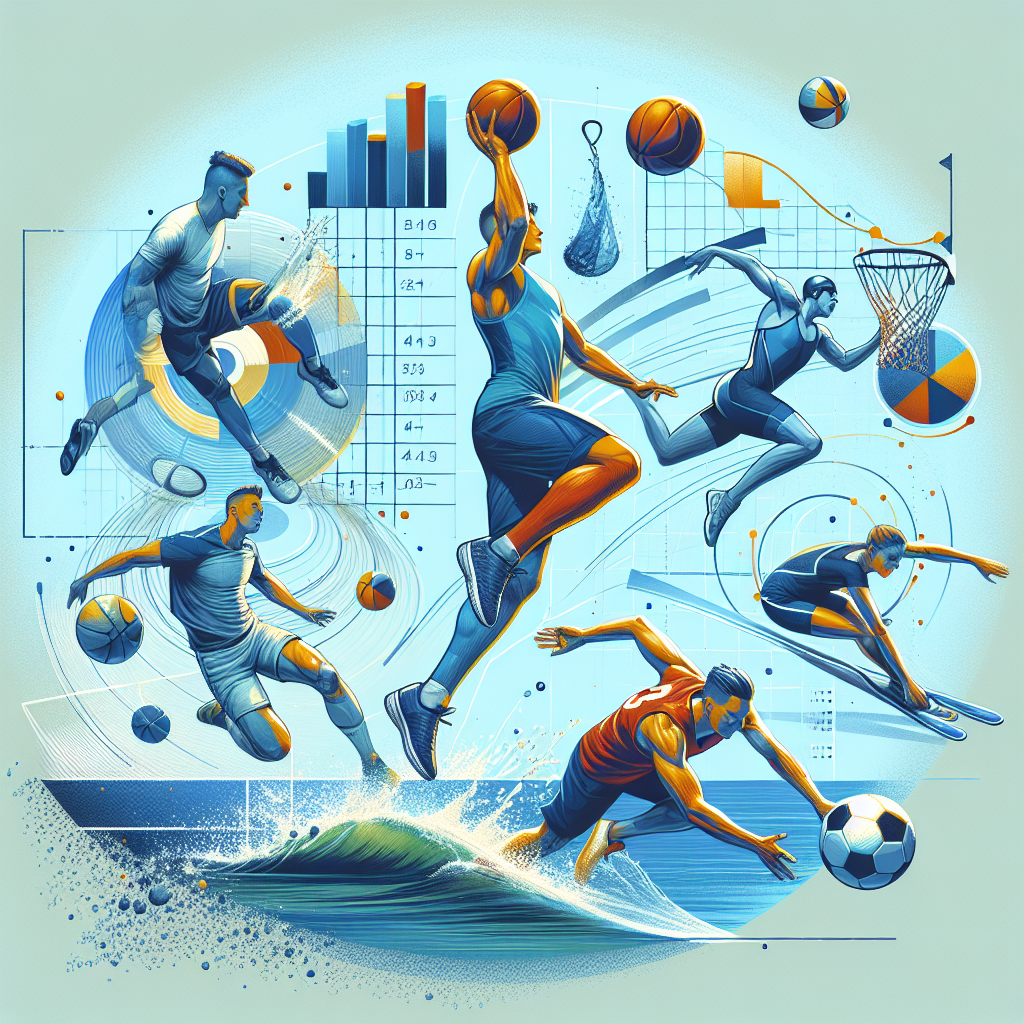
In the quest for sports excellence, athletes continually seek effective methods to sharpen their skills and outperform their competition. Among these methods, visualization techniques have emerged as a powerful tool in the sports community. By harnessing the power of mental imagery, athletes can significantly enhance their performance, boost their confidence, and reduce anxiety. In this article, we will delve into the various visualization techniques available for athletes in 2025, exploring how these methods can elevate their game and lead them to victory.
Understanding Visualization Techniques in Sports
Visualization techniques, often referred to as mental imagery or mental rehearsal, involve the practice of forming mental images that replicate specific movements or scenarios in one’s sport. This method is widely recognized as an effective way to enhance performance and is utilized by top athletes across various disciplines. The process can be broken down into two main components: cognitive visualization and motor imagery. Cognitive visualization focuses on the strategic aspects of sports, such as anticipating opponent moves or game tactics. In contrast, motor imagery emphasizes the physical execution of skills, allowing athletes to mentally practice their techniques before executing them in real-time.
In 2025, advanced technology has revolutionized how athletes approach visualization. With the advent of augmented reality (AR) and virtual reality (VR), athletes can now immerse themselves in realistic environments that simulate game conditions. This cutting-edge technology enhances traditional visualization practices, enabling athletes to engage with their mental imagery in vivid and lifelike scenarios. As a result, the accuracy and effectiveness of visualization techniques have exponentially increased, making them an essential part of modern athletic training.
The Science Behind Visualization for Athletes
Numerous studies corroborate the effectiveness of visualization techniques in optimizing sports performance. Research in neuropsychology demonstrates that the brain processes imagined movements similarly to actual physical actions. When athletes visualize a skill, such as a high jump or a perfect golf swing, their brains activate the same neural pathways used during the actual execution of the skill. This phenomenon suggests that mental rehearsal can effectively enhance muscle memory and coordination by priming the brain and body for success.
Moreover, visualization can significantly impact an athlete’s psychological state, building mental resilience and enhancing confidence levels. For instance, as athletes visualize their ideal performance, they not only reinforce a sense of familiarity with the skills but also develop a positive mindset. This positivity can reduce anxiety and fear of failure—factors that can often hinder performance during high-stakes competition. In 2025, athletes put greater emphasis on mental well-being, understanding that their mental state is intricately linked to their physical abilities and overall performance.
Practical Applications of Visualization Techniques in Sports
The implementation of visualization techniques can vary depending on the athlete and their specific goals. For athletes preparing for a competition, guided imagery sessions can help them mentally navigate the event. They can visualize entering the arena, warming up, and executing their skills with precision. This form of rehearsal not only fosters familiarity with the competition atmosphere but also alleviates pre-competition nerves. By immersing themselves in these vivid experiences, athletes often find themselves performing better when faced with real-life scenarios.
Furthermore, athletes can incorporate visualization into their daily training routines. By setting aside a few minutes at the beginning or end of each training session for focused mental imagery, they can reinforce the skill sets they are developing. For example, a swimmer might visualize each stroke and the sensations associated with optimal performance to enhance muscle memory and technique. Additionally, visualization can serve as a handy tool for injury recovery. Athletes recovering from injuries can mentally rehearse their respective movements, helping them maintain muscle strength and motor skills while away from physical activity.
Developing Effective Visualization Practice
Developing an effective visualization practice requires a structured approach for athletes to maximize its benefits. First, identifying specific goals is crucial. Athletes should determine the skills they want to enhance or the outcomes they wish to achieve. This clear roadmap serves as the foundation upon which effective visualization practices are built. Next, they should find a quiet environment where they can focus without distractions. Creating a calming ambiance and practicing relaxation techniques can help athletes enter the right mental state for visualization.
Creating realistic and vivid imagery is another essential component of effective visualization. Athletes should focus on noticing the details—colors, sounds, and feelings—associated with their performances. This multisensory approach will enhance the effectiveness of visualization, making the mental rehearsal more powerful. Moreover, incorporating positive affirmations and self-talk during the visualization process can reinforce a sense of confidence and belief in one’s abilities, critical for peak performance in competition.
Lastly, athletes should maintain a consistent practice schedule to maximize the benefits of visualization. Whether visualizing for five minutes daily or integrating sessions into their training plan, consistency is key. Over time, this commitment will help athletes solidify the connections between their mental imagery and actual performance, leading to a smoother execution of their skills under pressure.
The Future of Visualization Techniques in Sports
As we look ahead to the future, the integration of technology into visualization practices is bound to expand significantly. Virtual and augmented reality platforms are expected to become more sophisticated, providing athletes with even more realistic and immersive settings to practice their mental imagery. For instance, advancements in VR could allow athletes to step into the shoes of their opponents, strategizing how to respond to different scenarios dynamically. This level of engagement would elevate the psychological preparation of athletes, taking their performance to new heights.
Additionally, the development of personalized visualization programs utilizing artificial intelligence (AI) may revolutionize how athletes employ these techniques. AI algorithms could analyze athletes’ performances, weaknesses, and strengths, tailoring specific visualization practices that cater to individual needs. Such data-driven approaches would harness personalized mental training, increasing performance effectiveness and enhancing competitive readiness.
In conclusion, as sports science continues to evolve, visualization techniques will remain a cornerstone of athletic training. By merging traditional mental rehearsal with cutting-edge technology, athletes will have access to unprecedented opportunities to refine their skills and achieve sports excellence in 2025 and beyond.
Conclusion
Visualization techniques have become indispensable tools for athletes striving for excellence in increasingly competitive environments. By understanding the science behind visualization, learning how to apply these techniques effectively, and considering future advancements in technology, athletes can significantly enhance their performance. As they commit to integrating visualization into their practice routines, they stand to gain not just skills, but also the mental fortitude required to excel under pressure and achieve their goals.
FAQs
What are visualization techniques in sports?
Visualization techniques in sports refer to the practice of using mental imagery to rehearse athletic movements and scenarios. This technique helps athletes improve performance, build confidence, and reduce anxiety.
How do visualization techniques improve athletic performance?
These techniques improve athletic performance by activating similar neural pathways used during actual physical activity, thus enhancing muscle memory and coordination. They also contribute to reducing anxiety and fostering a positive mindset.
Are there specific visualization methods that athletes should use?
Yes, athletes can use various methods such as guided imagery, realistic scene creation, and affirmations. Tailoring these methods to their specific goals and incorporating consistency into practice are key for success.
Can visualization techniques help with injury recovery?
Absolutely! Visualization techniques can aid athletes in maintaining mental engagement with their skills during recovery periods, helping to preserve muscle memory and psychological readiness for their eventual return to competition.
How should athletes integrate visualization into their training?
Athletes can integrate visualization by taking a few minutes before or after practice to perform mental imagery exercises. Setting clear goals, using vivid imagery, and maintaining consistency are essential for maximizing the benefits.