How Social Media is Shaping Political Debate Engagement

How Social Media is Shaping Political Debate Engagement
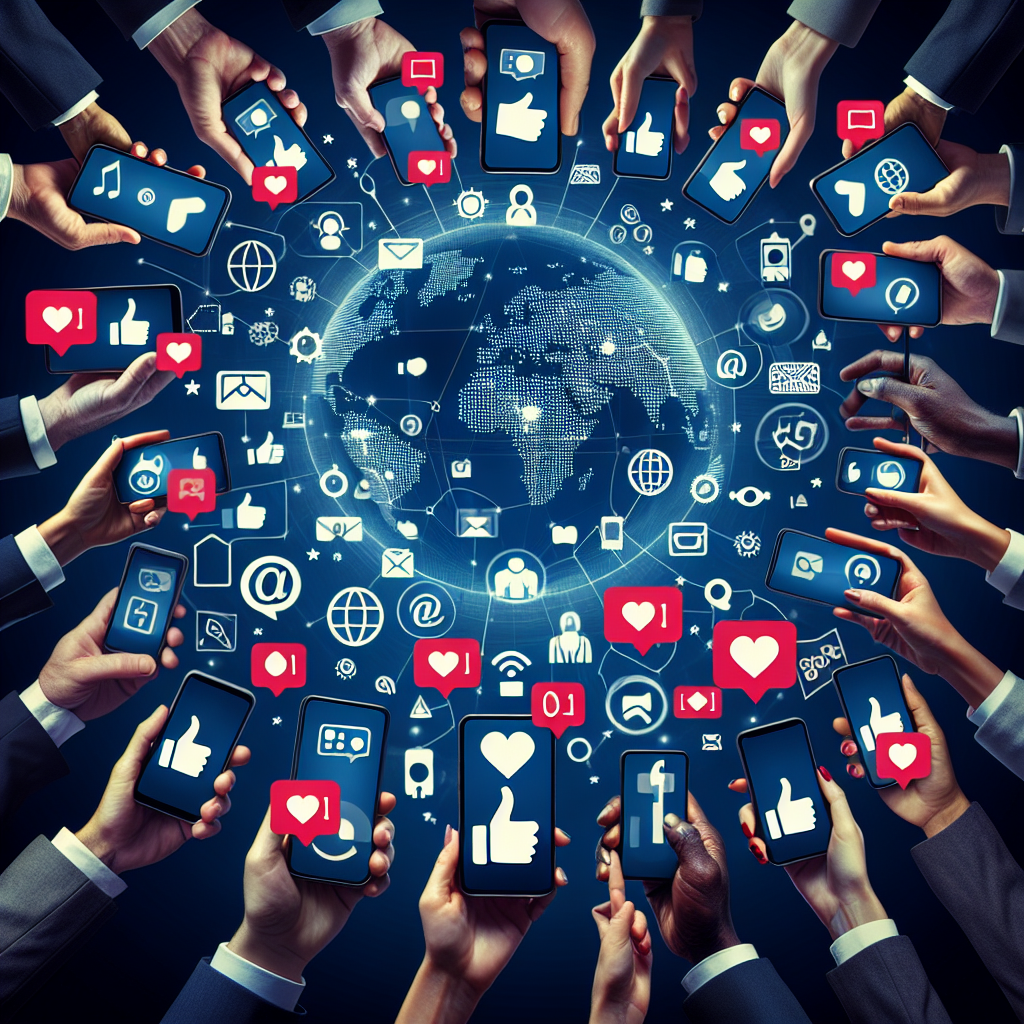
The rapid evolution of social media has been transformative, particularly in the realm of political discourse. As we navigate through 2025, the impact of platforms like Twitter, Facebook, TikTok, and Instagram on political debate engagement has become more pronounced. Social media has revolutionized how political issues are discussed, mobilized, and understood by the masses. This article delves into the myriad ways social media is shaping political debate engagement, exploring its implications for individuals, political parties, and the overall democratic process.
The Role of Social Media in Political Mobilization
Social media has emerged as a powerful tool for political mobilization, facilitating instantaneous communication and the rapid spread of information. In 2025, platforms such as TikTok and Instagram are crucial for younger demographics, who increasingly rely on these sites for political information. Campaigns now prioritize social media advertising, where targeted messages can be crafted for specific audience segments. Additionally, grassroots initiatives can thrive online, allowing new voices to join the political conversation, often bypassing traditional media gatekeepers. The democratization of content creation means that ordinary citizens can effectively mobilize support for causes or candidates, creating a more inclusive political landscape.
Moreover, the viral nature of content on social media enables movements to grow rapidly. For instance, issue-based campaigns around climate change or social justice have found unprecedented visibility through strategic social media engagement. The instantaneous nature of these platforms allows supporters to organize protests, share petitions, and rally behind shared causes with unmatched speed. The landscape in 2025 is marked by an expectation that campaigns will leverage this immediacy to keep discussions lively and relevant, often shifting their strategies in real-time based on trends and public sentiment.
Shaping Opinions Through Dialogue and Interaction
Social media is not just about dissemination; it provides a unique framework for interaction and dialogue that profoundly shapes public opinion. Unlike traditional media, which often allows for limited audience engagement, platforms like Twitter encourage direct conversation between politicians, citizens, and influencers. This interaction fosters a dynamic space where opinions can be challenged and refined, creating a robust environment for deliberative democracy. In 2025, the capability of users to reply, retweet, or quote tweets enhances community engagement, allowing for diverse perspectives to be shared rapidly.
Furthermore, the nature of discourse in social media environments tends to favor emotional engagement over factual debate. While this can lead to the cultivation of passionate advocacy, it also raises concerns regarding misinformation and polarization. The algorithms of social media platforms prioritize content that generates reactions, often amplifying extreme voices and divisive narratives. This has contributed to echo chambers that reinforce existing beliefs rather than challenge them, complicating the landscape of political debate engagement. As individuals engage, they may inadvertently shelter themselves in spaces that affirm their views, limiting exposure to diverse perspectives and hindering constructive dialogue.
Challenges of Misinformation and Polarization
One of the most significant challenges facing political debate engagement fueled by social media is the pervasive issue of misinformation. In an age where content goes viral in minutes, fact-checking can often get lost in the shuffle. By 2025, misinformation campaigns have become increasingly sophisticated, utilizing data analytics to target specific user demographics with misleading information tailored to their beliefs. This has not only compromised the quality of political discourse but has also led to a significant distrust in both media and political institutions. The ability to share content quickly has made controlling the narrative particularly challenging, leading to a landscape where misconceptions can spread as rapidly as accurate information.
Additionally, the problem of polarization has intensified with the proliferation of social media. People are more likely to interact with like-minded individuals, creating echo chambers that further entrench partisan views. Studies have shown that social media algorithms often optimize for engagement, inadvertently favoring extreme viewpoints. This trend has led to an increasing chasm between political groups, making constructive debate more challenging. Polarization, compounded with the challenges of misinformation, raises critical questions about the health of democratic dialogue in engaging and informing the electorate effectively.
The implications of these challenges stretch beyond individual interactions; they affect the political process itself. Candidates must navigate a landscape where public perception can shift based on a viral moment or a misinterpretation of facts. As debates unfold on social media, the line between well-informed discourse and emotional reaction becomes blurred, increasing the difficulty of maintaining civil discussions.
Enhancing Political Transparency and Accountability
Despite the challenges posed by misinformation and polarization, social media also plays a crucial role in enhancing transparency and accountability in political debate engagement. In 2025, politicians and public officials are held to higher standards due to the omnipresence of social media. The public can easily scrutinize political figures, disseminate information about their policies, and challenge them on their decisions through platforms that support swift feedback. The ability to communicate directly with constituents provides politicians with opportunities to clarify their stances, answer queries, and mitigate misinformation about their agendas.
Crowdsourced accountability has also gained traction, with citizens actively participating in fact-checking and scrutinizing political statements. Platforms designed for civic engagement have emerged, allowing users to challenge public officials directly and demand transparency. This participatory approach encourages a culture of accountability, making it increasingly difficult for politicians to deviate from their promises or enact policies without public dialogue and criticism.
Moreover, in this age of data transparency, social media offers an avenue for regular updates on political activities and developments. Initiatives like open data dashboards and recurring live sessions with elected officials on platforms like Instagram Live increase accessibility and engagement. The seamless sharing of legislative updates and public consultations helps demystify the political process, empowering citizens with knowledge and fostering a more informed electorate.
The Future of Political Debate Engagement on Social Media
As we look toward the future, the landscape of political debate engagement is poised for continual evolution. Emerging technologies, such as artificial intelligence and augmented reality, will undoubtedly factor into how citizens engage with political discourse. By 2025, we see an increase in sophisticated algorithms capable of identifying and promoting moderating voices, which may help reduce polarization and misinformation in political conversations. Each technological advancement presents new opportunities to enhance debate engagement, moving towards a political climate that encourages informed discussions.
Similarly, educational efforts surrounding digital literacy will gain importance as social media becomes increasingly integrated into the political process. In 2025, initiatives aimed at teaching users to discern credible information sources from misinformation have become paramount. Campaigns focusing on empowering citizens with analytical tools to evaluate what they encounter online are essential for effective civic engagement. Schools, non-profits, and government bodies may undertake collaborative efforts to integrate media literacy education into curricula, preparing future generations to navigate the complexities of information flows in politics.
Ultimately, we are likely to see an increase in hybrid political engagement strategies that combine online activism with traditional organizing. Social media campaigns can amplify on-the-ground efforts, combining the immediacy of online engagement with the personal connections fostered through face-to-face interactions. This synergistic approach may yield a more comprehensive form of political mobilization, bridging gaps in participation and ensuring that diverse voices are represented.
Conclusion
In summary, social media shapes political debate engagement in profound and multifaceted ways. While it fosters greater mobilization, dialogue, and accountability, it also introduces significant challenges like misinformation and polarization. As we move forward, the interplay of technology and political discourse will continue to evolve, offering opportunities for improved engagement and the potential for more meaningful democratic participation. The future of political debate in the social media sphere is fraught with both hurdles and promise, requiring a concerted effort from individuals, politicians, and institutions to harness its power responsibly.
FAQs
How has social media changed political communication in 2025?
Social media has transformed political communication by enabling rapid information dissemination and fostering direct interactions between politicians and constituents. Platforms now play a crucial role in shaping public discourse, making campaigns more dynamic and participatory.
What are the dangers of political engagement on social media?
The primary dangers include the spread of misinformation and the potential for polarization. Echo chambers can reinforce existing beliefs, making constructive dialogue more challenging, while misleading information can distort public understanding of critical issues.
How can individuals engage in political discussions on social media responsibly?
Individuals can engage responsibly by verifying information through credible sources, being open to diverse perspectives, and promoting civil discourse. Developing critical media literacy skills is essential for navigating the complexities of online political discussions effectively.