Innovations in Sports Medicine: New Treatments for Injuries

Introduction
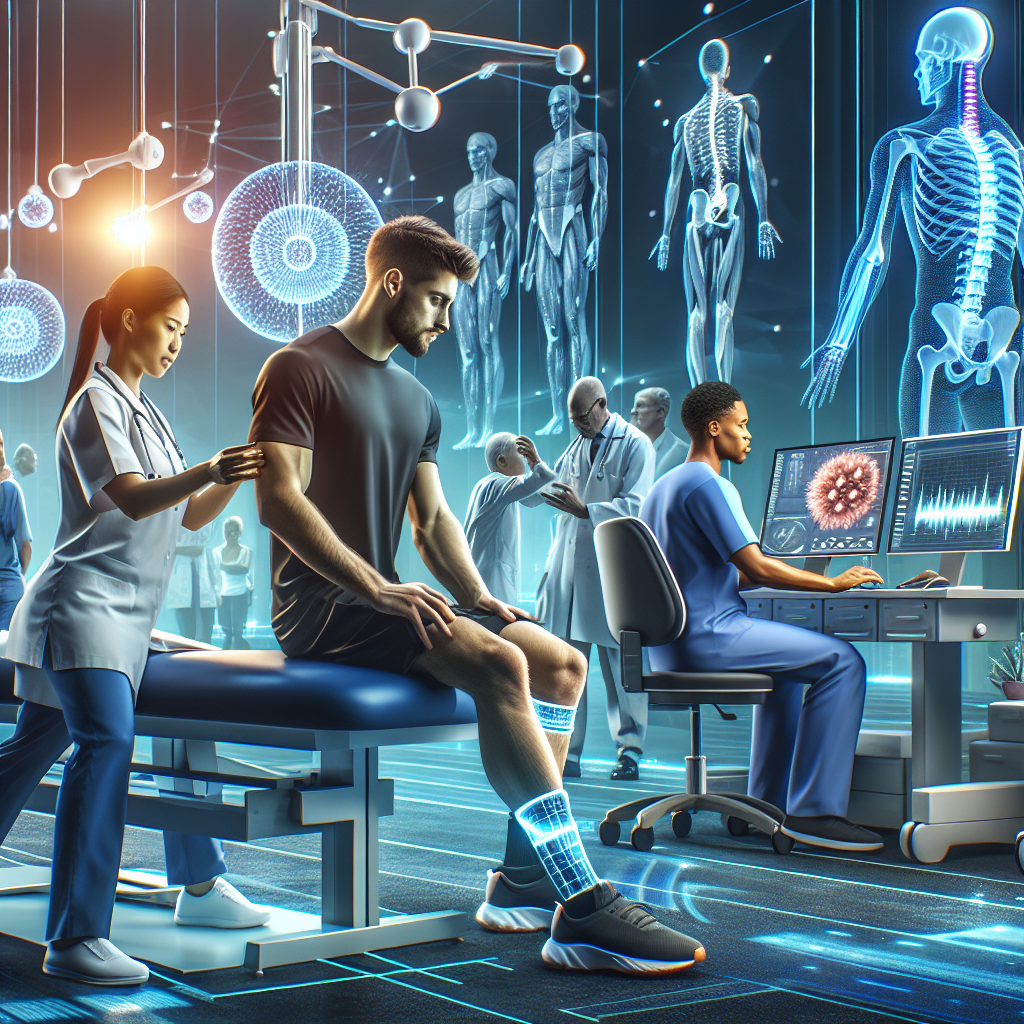
Innovations in sports medicine have undergone a remarkable transformation over the past few years, providing athletes with cutting-edge treatments for injuries that enhance recovery and performance. As of 2025, advancements in regenerative medicine, data analytics, and wearable technology have revolutionized the landscape, allowing sports professionals to recover faster and more efficiently than ever before. The incorporation of these innovations not only aims to speed up healing but also to prevent future injuries, making sports safer and more sustainable. Let’s explore these groundbreaking treatments and their impact on athletes and sports professionals alike.
Revolutionary Techniques in Sports Rehabilitation
The field of sports rehabilitation has seen a surge of innovative techniques that target injury recovery more effectively than traditional methods. One significant advancement is the use of ultrasound-guided platelet-rich plasma (PRP) therapy. This minimally invasive procedure involves extracting a small amount of blood from the patient, processing it to concentrate the platelets, and injecting it directly into the injured area. In 2025, PRP therapy has become a staple in the rehabilitation protocols of athletes across various sports, promoting faster healing by utilizing the body’s own growth factors.
Furthermore, the integration of functional recovery programs into rehabilitation practices has led to improved outcomes. These programs aim to restore not just the physical capabilities of athletes but also their psychological readiness to return to play. By employing a multi-disciplinary approach that includes physical therapy, psychological counseling, and nutrition, sports rehabilitation is becoming more holistic. Athletes are not only recovering more quickly but also returning to their sport with increased mental resilience, which is crucial for preventing re-injury.
Advancements in Regenerative Medicine for Athletes
Regenerative medicine is at the forefront of treating sports injuries, and its advancements are making headlines in 2025. Stem cell therapy has gained traction as a viable option for repairing damaged tissues and cartilage. By using stem cells derived from the athlete’s own body, practitioners are able to stimulate the repair process at a cellular level. This approach is particularly effective for chronic injuries such as tendonitis and osteoarthritis, allowing athletes to regain strength and mobility without resorting to invasive surgeries.
In addition to stem cell therapy, gene therapy is emerging as another groundbreaking treatment in sports medicine. This method involves the injection of modified genes into the injured area to promote healing and tissue regeneration. For example, researchers are working on introducing specific genes that stimulate collagen production in injured ligaments, aiding recovery and reducing downtime. The potential of gene therapy may well change the future of injury management in sports, making it a topic of active research and clinical trials throughout 2025.
Wearable Technology: The Future of Injury Prevention and Monitoring
In the realm of sports medicine, wearable technology has vastly improved how injuries are monitored and prevented. Modern athletes are increasingly equipped with devices that track performance metrics, biomechanical data, and vital signs in real-time. This data can help trainers and medical professionals analyze an athlete’s movements and identify potential injury risks before they become serious problems. For example, specialized smart insoles can analyze foot pressure distribution, providing insights into an athlete’s biomechanics and highlighting areas at risk of injury.
Moreover, wearable sensors embedded in clothing can measure muscle fatigue and exertion levels, allowing for personalized training regimens. With the data collected from wearables, coaches can adjust workout programs on the fly, significantly reducing the risk of overuse injuries. In 2025, the collaboration between data scientists and sports medicine practitioners is ensuring that athletes can train smarter, not harder, reducing injury rates across a variety of sports.
As monitoring technologies become increasingly sophisticated, the role of artificial intelligence (AI) in sports medicine cannot be overlooked. AI algorithms can analyze vast amounts of data collected from wearables, providing predictive insights about an athlete’s performance and potential injuries. This technology offers an unprecedented opportunity to preemptively address issues before they escalate into significant injuries. The use of AI in training programs is set to become standard practice, further enhancing the effectiveness of injury prevention strategies.
Telehealth and Virtual Rehabilitation in Sports Medicine
The advent of telehealth has transformed how athletes receive medical care, especially in the realm of sports medicine. In 2025, virtual rehabilitation programs allow athletes to connect with their healthcare providers from anywhere, ensuring continued support during their recovery phases. Through video consultations, specialists can assess injuries, provide feedback on rehabilitation exercises, and adjust treatment plans without the need for in-person visits. This convenience is particularly beneficial for athletes recovering from injuries as they can maintain consistent communication with their healthcare team.
Furthermore, telehealth has made rehabilitation more accessible, breaking geographical barriers that often limit athlete care. Athletes in remote areas can now access world-class sports medicine expertise via telehealth platforms. This innovation not only ensures professional care is available but also encourages athletes to engage fully in their rehabilitation programs through accountability built into digital tracking systems.
Virtual reality (VR) has also emerged as an exciting tool in sports rehabilitation. By simulating real-life athletic scenarios in a controlled environment, VR technology enables athletes to practice movements and strategize without the risk of further injury. This immersive technology can enhance motivation and engagement, making rehabilitation more enjoyable and effective.
Emerging Trends for Enhanced Athlete Protection
As the field of sports medicine evolves, there are emerging trends aimed at enhancing athlete protection that are shaping 2025 and beyond. One such trend is the implementation of advanced concussion protocols. With increased understanding of the long-term effects of concussions, sports organizations are now mandating rigorous testing and monitoring for athletes who may have sustained head injuries. Tools such as advanced neuropsychological assessments and wearable devices that measure head impacts are key components of these protocols, ensuring that athletes are not rushed back into play too soon.
Another important trend is the focus on mental health in sports medicine. As awareness about the psychological pressures athletes face grows, there is a concerted effort to integrate mental health support into training and recovery routines. Initiatives include access to sports psychologists and mental wellness programs, allowing athletes to develop coping strategies for performance anxiety, stress, and traumatic experiences related to injuries. This comprehensive approach recognizes that an athlete’s mental state is just as vital as their physical health in terms of overall performance and injury prevention.
Finally, sustainability and environmental considerations are becoming increasingly critical in sports medicine. With a focus on promoting health and wellness in an eco-friendly manner, practitioners are exploring biodegradable and sustainable materials for medical supplies and equipment. Innovations in this area are not just about protecting athletes but also ensuring the health of our planet, setting a standard for future practices in sports medicine.
Conclusion
The field of sports medicine is experiencing a renaissance, driven by innovations that are reshaping the way injuries are treated, monitored, and prevented. As we explore the advancements from regenerative medicine to wearable technology and telehealth solutions, it’s clear that athletes in 2025 benefit from a holistic approach that prioritizes both physical and mental well-being. These innovations not only enhance performance but also safeguard athletes’ futures, ensuring higher standards of care and increased sustainability in sports.
In summary, the trajectory of sports medicine points towards an integrated, data-driven approach that champions recovery, safety, and mental health. As these innovations become more widespread, it’s exciting to consider the future of injury treatments and the potential for athletes to achieve their goals more safely than ever before.
FAQs
What are the latest treatments for sports injuries in 2025?
In 2025, the latest treatments include advanced regenerative methods such as stem cell therapy and gene therapy, along with innovative rehabilitation techniques that incorporate telehealth and wearable technology.
How does wearable technology help prevent injuries?
Wearable technology monitors athletes’ movements and biometrics in real-time, allowing for the identification of potential injury risks before they occur. This proactive approach enables personalized training regimens and reduces the likelihood of overuse injuries.
What role does virtual reality play in sports rehabilitation?
Virtual reality is used to create immersive training scenarios that allow injured athletes to practice movement patterns safely. This technology enhances motivation during rehabilitation, making exercises more engaging and effective.
How are mental health resources integrated into sports medicine?
Mental health resources are increasingly integrated into sports medicine through the provision of access to sports psychologists and wellness programs, helping athletes develop coping strategies for mental challenges related to performance and injury recovery.
Are there any new protocols for concussion management?
Yes, new concussion management protocols mandate more rigorous testing and monitoring procedures, incorporating advanced neuropsychological assessments and impact measurement wearables to ensure athletes are fully recovered before returning to play.