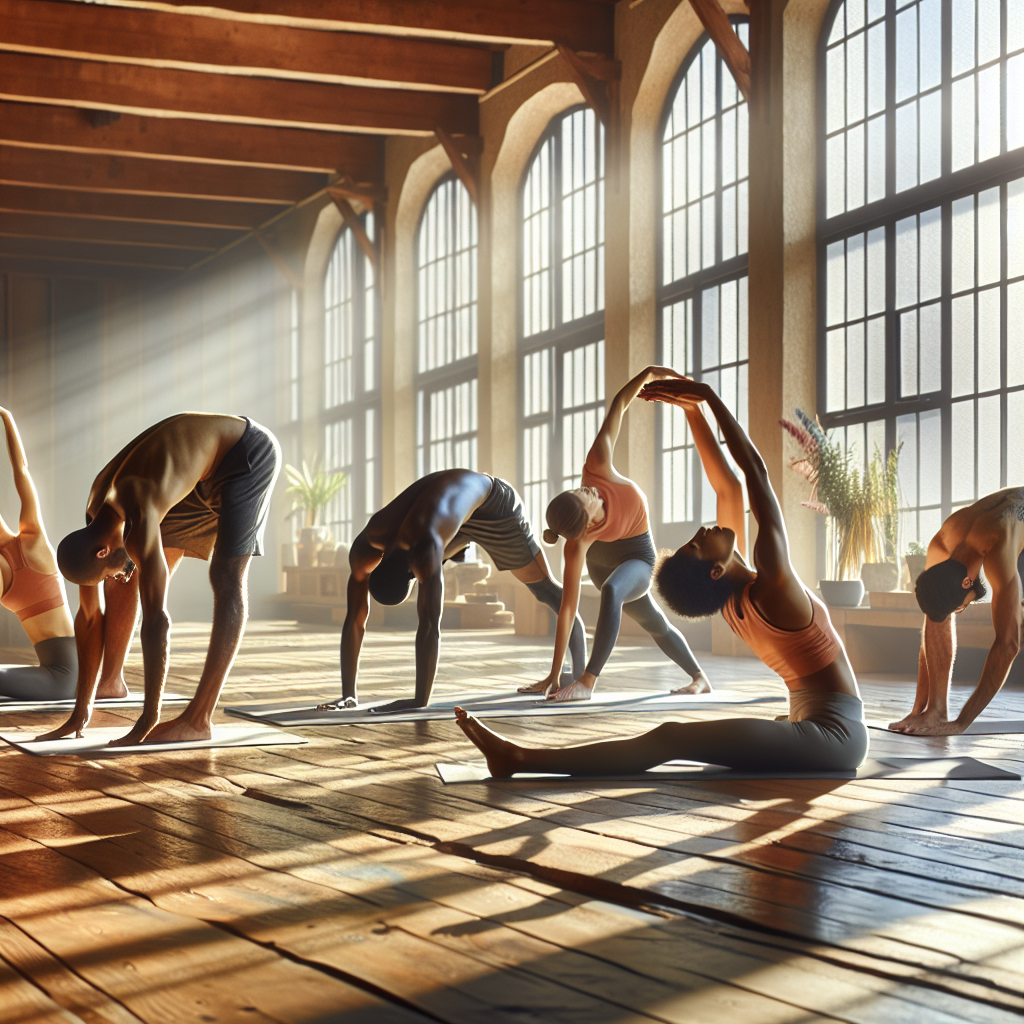
Integrating flexibility training into your exercise regimen has become an increasingly pertinent topic for fitness enthusiasts in 2025. As people look to enhance their overall fitness levels, flexibility training provides a myriad of benefits, from improved mobility to enhanced athletic performance. In this comprehensive guide, we will explore the importance of flexibility training, effective methods to integrate it into your routine, and valuable tips to maximize its benefits for your physical well-being.
Understanding Flexibility Training
Flexibility training focuses on stretching muscles, tendons, and ligaments to enhance range of motion around joints. This form of training can take various forms, including static stretching, dynamic stretching, and proprioceptive neuromuscular facilitation (PNF). Static stretching involves gradually lengthening a muscle to its limit and holding that position, while dynamic stretching involves controlled, smooth movements that take joints and muscles through their full range of motion.
Integrating flexibility training into your regimen can decrease muscle stiffness, improve posture, and reduce the risk of injuries. As the body ages or undergoes consistent strain from repetitive activities, flexibility tends to decline. Therefore, prioritizing flexibility in your fitness routine can significantly enhance overall athletic performance, whether you are a seasoned athlete or a casual gym-goer looking to ensure long-term wellness.
The Importance of Flexibility Training
Flexibility training plays a crucial role in optimizing performance and reducing the likelihood of injuries. When muscles and connective tissues are more flexible, they can absorb shock and stress more efficiently, which is essential for anyone engaged in sports or high-intensity workouts. This enhanced elasticity reduces the risk of strains and pulls during sudden movements, making it vital for athletes.
Additionally, flexibility training can lead to improved movement mechanics. Proper flexibility allows for greater biomechanical efficiency, which translates into better form during workouts and athletic endeavors. For instance, individuals who incorporate flexibility training into their routine often find improved balance and coordination, which directly impacts their overall athletic performance.
How to Incorporate Flexibility Training into Your Regimen
Integrating flexibility training into your exercise routine does not require much time or specialized equipment. A simple strategy is to allocate specific time slots in your week dedicated to flexibility-focused workouts. You might consider adding a 10 to 15-minute stretching session before and after your workouts or dedicating a separate day solely to flexibility training.
There are numerous resources available, including online classes and mobile apps, that focus specifically on flexibility exercises. These resources often provide guided sessions tailored for beginners through advanced practitioners. By using technology to your advantage, you can ensure that you are performing stretches with proper form and technique, thereby maximizing the benefits of flexibility training.
Furthermore, blending flexibility training with other workout modalities, such as yoga or Pilates, can also enhance adherence and interest in your regimen. Both of these disciplines incorporate flexibility-focused movements within their frameworks, allowing for an efficient way to develop flexibility alongside strength and balance training.
Types of Flexibility Training Techniques
There are several effective techniques for flexibility training that you can incorporate into your regimen. Static stretching, one of the most common forms, focuses on stretching a muscle to its limit and holding that position for a duration of 15 to 60 seconds. This technique is best practiced after your workout during the cool-down phase, as it helps return muscles to their resting length and promotes muscle recovery.
Dynamic stretching, on the other hand, is an excellent method to prepare your body for the workout ahead. This involves moving parts of your body through a full range of motion in a controlled way, making it ideal for warming up. Exercises like arm circles or walking lunges effectively enhance flexibility while activating the muscles you plan to work out.
Another technique worth mentioning is proprioceptive neuromuscular facilitation (PNF), which combines stretching and contracting the muscle group being targeted. PNF techniques tend to yield higher increases in flexibility than static stretching alone and are often utilized in rehabilitation settings or advanced fitness routines.
Tracking Your Progress in Flexibility Training
As with any training regimen, it’s crucial to track your progress in flexibility training for motivation and to ensure continual improvement. Methods for tracking can include taking progress photos, measuring the distance reached during stretches, or simply noting enhancements in your range of motion during your workouts.
Keeping a journal or using a fitness app to document your routine can help identify which flexibility techniques yield the best results tailored to your unique needs. By understanding what works for you, you can adjust the frequency and intensity of your flexibility work accordingly.
Moreover, consider setting achievable goals to maintain motivation. For example, rather than broadly aiming to “improve flexibility,” you might set specific targets, such as being able to touch your toes or hold a particular yoga pose without discomfort after a designated period. These actionable goals will encourage consistency in your flexibility regimen.
Maximizing the Benefits of Flexibility Training
To maximize the benefits of flexibility training, it’s essential to pair these exercises with other aspects of physical health, such as proper hydration and nutrition. Staying hydrated can directly affect muscle function, ease of movement, and recovery times. Consuming a balanced diet rich in nutrients supports overall health and can contribute to the effectiveness of your flexibility training regimen.
Consistency is another key factor in realizing the benefits of flexibility training. Including flexibility exercises in your weekly schedule, particularly by making them a regular part of your warm-up and cool-down routines, will yield better results compared to sporadic training. Ideally, set a goal to stretch at least three times a week, with variations based on your fitness level or specific flexibility goals.
Finally, consider incorporating mindfulness into your flexibility training sessions. Practices such as deep breathing, focusing on muscle relaxation, or meditative stretching can elevate the experience and promote a more profound physical and mental connection to your body. This holistic approach can spur further motivation and adherence to flexibility training.
Conclusion
Integrating flexibility training into your regimen is not only vital for enhancing overall workout performance but also essential for preventing injuries and promoting long-term health and wellness. By understanding the significance of flexibility, testing various methods of training, and tracking your progress, you can effectively implement flexibility training into your routine. Remember to maintain a consistent practice, seek resources to enhance your experience, and pair your training with supportive health measures such as nutrition and hydration. As you embark on this journey, you will likely notice significant improvements in both your physical capabilities and overall well-being.
FAQs
What are the best times to perform flexibility training?
Flexibility training can be performed at any time, but it is most beneficial when done after workouts for cooling down or as part of a warm-up routine. Engaging in regular flexibility training throughout the week is also beneficial for overall mobility and performance.
How long should I hold stretches during flexibility training?
For static stretches, holding each stretch for 15 to 60 seconds is recommended, depending on your comfort level and flexibility goals.
Can flexibility training help improve athletic performance?
Yes! Flexibility training can enhance athletic performance by improving the range of motion, decreasing the risk of injuries, and allowing for more efficient body movements.
Are there specific stretches recommended for beginners?
Yes, beginners can start with simple stretches such as hamstring stretches, quadriceps stretches, and arm circles. It’s essential to focus on proper form and gradual progression to avoid injuries.
How often should I practice flexibility training for the best results?
Aim to include flexibility training in your routine at least three times per week to achieve optimal results. Over time, you can adjust the frequency based on your progression and comfort level.