Legendary Olympic Rivalries That Defined Sports
Legendary Olympic Rivalries That Defined Sports
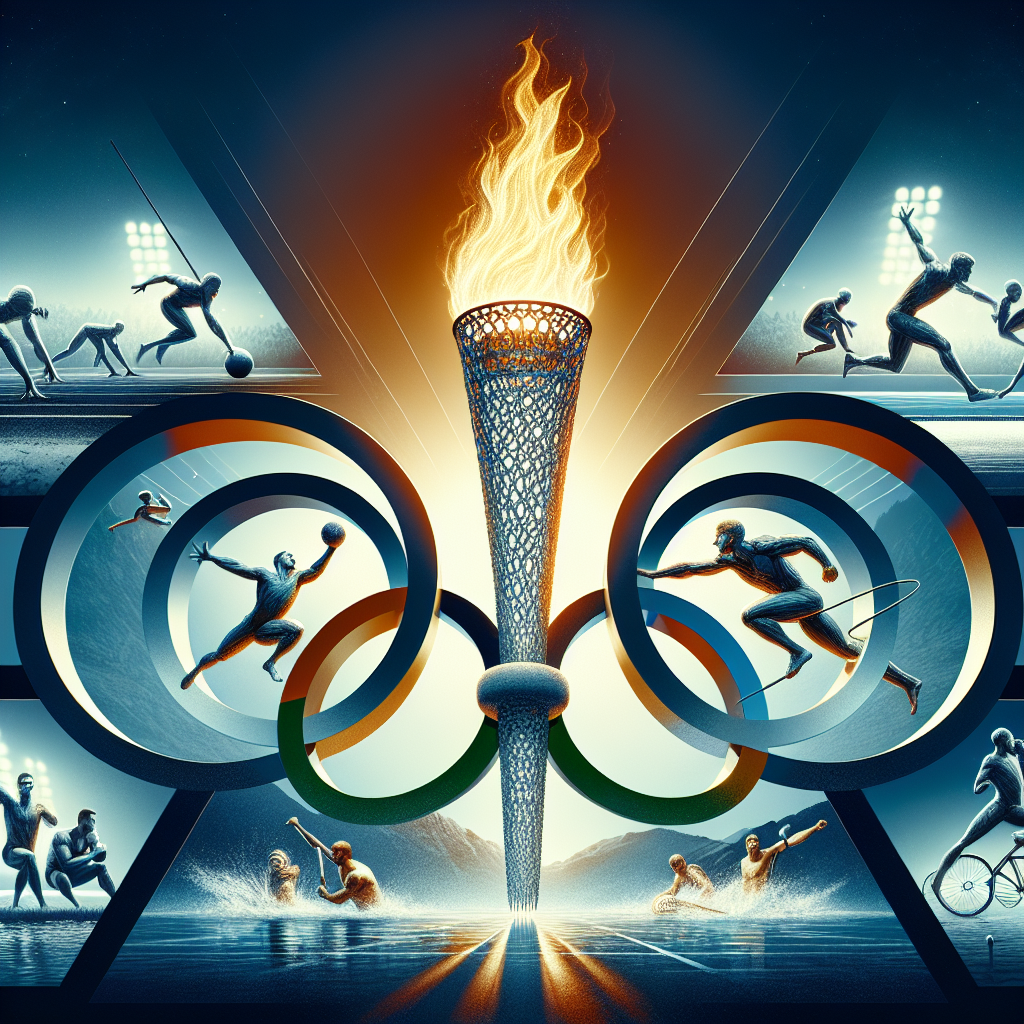
Olympic rivalries have transcended the realm of sports to become cultural phenomena that capture the hearts and minds of audiences worldwide. These intense competitions have not only showcased athletic prowess but have also highlighted personal stories, national pride, and the quest for greatness. From the stunning performances of the past to the emerging stars of today, the rivalries that emerge during the Olympic Games have a profound impact on the sports landscape. This article delves into some of the most legendary Olympic rivalries that have defined sports history, emphasizing their significance and enduring legacy.
The Epic Showdown: Jesse Owens vs. Luz Long
One of the most iconic rivalries at the Olympic Games occurred during the 1936 Berlin Olympics when African-American athlete Jesse Owens faced off against German long jumper Luz Long. This rivalry was set against a politically charged backdrop; Adolf Hitler aimed to use the Games to promote Aryan supremacy. Owens, however, shattered those expectations. In a dramatic series of jumps, he not only won gold but also influenced millions by demonstrating athletic excellence that transcended racial boundaries.
The rivalry was not marked by animosity; rather, it highlighted a moment of sportsmanship and mutual respect. After Owens faced difficulties in qualifying for the long jump finals, it was Long who advised him to take off from a different mark for a better jump. Owens took the advice, resulting in one of the most memorable performances in Olympic history and solidifying a bond between the two athletes that stood as a testament to human spirit over prejudice.
<h2.Rivalries Shaping Sprinting: Carl Lewis vs. Ben Johnson
As sprinters of the 1980s, Carl Lewis and Ben Johnson represented different facets of track and field. While Lewis was celebrated for his clean athleticism and numerous Olympic titles, Johnson’s shocking disqualification in 1988 for steroid use added an intense layer of intrigue to their rivalry. At the Seoul Olympics, in what would become one of the most infamous races in Olympic history, Johnson established a world record—only to have it erased when he tested positive for a banned substance.
The aftermath of this rivalry forced a reckoning in Olympic sports governance regarding doping policies. Lewis’s moral high ground amidst Johnson’s fall from grace sparked discussions about integrity and ethics in sports, and it led to stricter regulations in drug testing. This rivalry epitomizes how individual athletes can influence the broader conversation about fair play and the integrity of competition within the Olympic framework.
The Basketball Rivalry: USA vs. Soviet Union
The rivalry between the United States and the Soviet Union in basketball is a unique narrative, laden with Cold War tensions and political stakes. The two nations met in arguably the most unforgettable match in Olympic basketball history during the 1972 Munich Games. The American team, which had not lost an Olympic game in history, was defeated in a thrilling finish that ended with controversial officiating and a final score of 51-50.
This rivalry went beyond the court; it represented the athletic duel between two superpowers vying for global superiority. The emotional weight of this confrontation still resonates today, as it brought to light the intersection of sports and politics. With both teams reflecting their national ideologies through their athletic performances, the fallout from this game prompted discussions about fairness and justice in sports competition, ultimately leading to changes in how basketball was governed internationally.
The Gymnastics Showdown: Nadia Comaneci vs. Olga Korbut
The gymnastics world witnessed an epic rivalry between Romanian gymnast Nadia Comaneci and Soviet superstar Olga Korbut during the 1970s. Comaneci emerged victoriously at the 1976 Montreal Olympics where she famously scored the first perfect 10 in Olympic gymnastics history. This achievement was ground-breaking, and it placed Comaneci on a pedestal as a sports icon.
Korbut, known for her grace and daring performances, captivated audiences at the 1972 Munich Olympics. Her influence helped elevate gymnastics into a mainstream spectacle, but it was Comaneci’s record-setting routine that showcased a new level of excellence in the sport. The contrasting styles of the two gymnasts—Korbut’s artistic flair versus Comaneci’s technical precision—provided a compelling narrative that enriched Olympic history and expanded gymnastics’ appeal as an Olympic event. Their rivalry was not just about competition; it forged a bond that inspired generations of young gymnasts to push their limits.
Modern Rivalries: Phelps vs. Lochte
Transitioning to the present day, the rivalry between American swimmers Michael Phelps and Ryan Lochte has come to define modern Olympic swimming. Phelps, a record-holder with 28 Olympic medals, faced off against Lochte, who excelled in individual events. Their rivalry reached peak intensity during the 2012 London Olympics, where they not only competed against each other but also pushed the boundaries of what was achievable in the pool.
Phelps’s legend continued to grow over the years, not just for his athleticism but for his mental resilience and strategic racing style. Lochte, often in Phelps’s shadow, carved out his own legacy, winning multiple medals and contributing to the rivalry’s drama. Their dynamic interaction—marked by moments of camaraderie and intense competition—has drawn fans into the narrative of Olympic swimming, and it has encouraged a new generation to take up the sport. This rivalry serves as a microcosm of how personal competition unfolds amidst the broader spectacle of the Olympics.
Enduring Olympic Rivalries: The Legacy and Impact
The significance of Olympic rivalries extends beyond the confines of the Games. These contests have inspired athletes, influenced sports policies, and sparked social movements. For instance, the legendary rivalry between Owens and Long became a symbol of the fight against discrimination, echoing across decades into contemporary discussions on social justice in sports. The athletes’ stories continue to resonate within the framework of cultural memory, forging connections between historical contexts and present-day issues.
Moreover, rivalries foster a sense of excitement and anticipation for upcoming Olympic events. As fans invest emotionally in these competitions, the stakes heighten. Each rivalry shapes the narrative that envelops the Olympics, creating anticipation and compelling storylines that attract viewership worldwide. In 2025 and beyond, as new rivalries emerge and existing ones evolve, they will continue to ignite discussions on sports ethics, nationalism, and personal achievement, ensuring that the Olympic spirit remains alive and vibrant.
The mentorship model that exists between rival athletes also garners attention. Rivalries often lead to mutual respect and collaboration off the field. Many athletes who have shared fierce competition have later become advocates and mentors, working together to promote the spirit of competition and sportsmanship in broader societal settings. As the Olympic Games continue to evolve, so too does the nature of these legendary rivalries, affirming their place in sports history.
Conclusion
In conclusion, legendary Olympic rivalries have played a pivotal role in defining sports over the ages. From the profound story of Jesse Owens and Luz Long to the modern saga of Michael Phelps and Ryan Lochte, these rivalries reflect the human spirit’s complexity and its quest for excellence. They serve as both a mirror of societal values and an inspiration for future generations of athletes. As the Olympics continue into the future, we can expect new rivalries to emerge, reminding us of the thrill of competition and the profound impact it can have on society.
FAQs
What are some famous Olympic rivalries in history?
Some notable Olympic rivalries include Jesse Owens vs. Luz Long, Carl Lewis vs. Ben Johnson, and Michael Phelps vs. Ryan Lochte. These rivalries not only highlight athletic competition but also reflect broader societal themes.
How do Olympic rivalries impact the athletes involved?
Olympic rivalries often push athletes to perform at their best, fostering personal growth and resilience. They can also lead to mutual respect and mentorship between competitors, influencing their careers and personal lives.
Why are rivalries important in sports?
Rivalries heighten the excitement and engagement surrounding competitions, drawing in fans and creating memorable narratives. They also serve to promote sportsmanship, integrity, and the spirit of competition within the larger context of the sporting world.