Mental Toughness: Insights from World-Class Athletes
Introduction
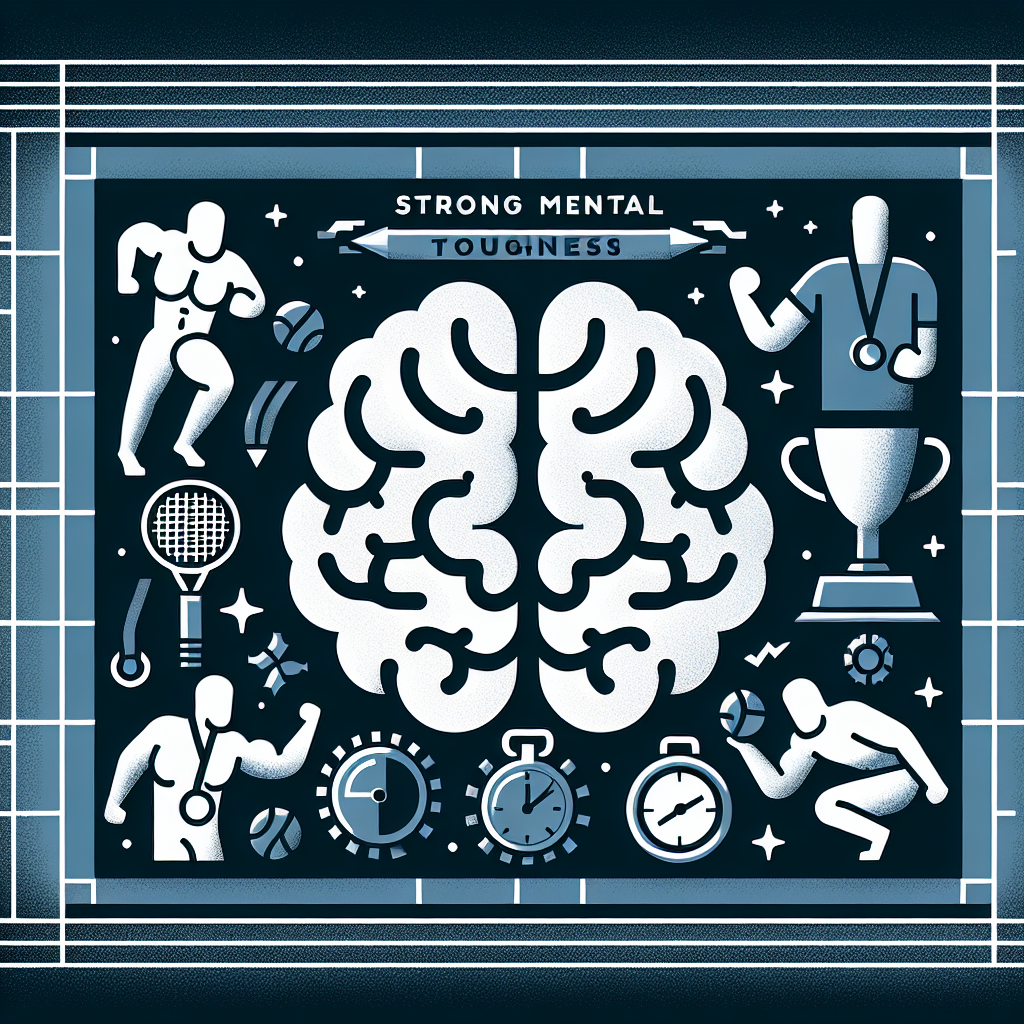
Mental toughness is a crucial skill that distinguishes world-class athletes from their peers. In the competitive realm of sports, physical abilities can only take an athlete so far; the mental aspect often becomes the deciding factor in achieving success. Drawing insights from top athletes across various disciplines in 2025 can provide us with a clearer understanding of this vital trait. From tackling pressure situations to maintaining focus amid distractions, mental toughness encompasses a range of psychological skills that can be cultivated and developed. This article will delve into the intricate world of mental toughness and why it is essential for aspiring athletes.
The Definition of Mental Toughness and Its Importance
Mental toughness can be broadly defined as an athlete’s resilience and ability to maintain focus and perform under pressure. It encompasses attributes such as confidence, perseverance, and the capacity to learn from setbacks. In today’s sports environment, where competition is fiercer than ever, athletes are required not only to train their bodies but also to nurture their minds. According to a survey of elite athletes in 2025, over 85% believe mental toughness is as critical, if not more so, than physical fitness in achieving their goals. The ability to remain mentally strong in high-pressure situations equips athletes to push their limits, overcome self-doubt, and stay committed to their training regimens.
In this context, mental toughness is also linked to emotional regulation. Athletes who can manage their emotions tend to perform better in competitions. World-class sports psychologist Dr. Emma Vardy highlights that this regulation enables athletes to respond positively to adversity rather than succumb to fear or anxiety. The integration of mental training techniques such as visualization, mindfulness, and positive self-talk has become paramount in elite sports, showing that mental toughness can be nurtured with consistent practice.
Case Studies: Mental Toughness in Action
Exploring real-world examples offers compelling insights into how mental toughness manifests in elite athletes. Take the case of Simone Biles, the renowned gymnast, whose decision to withdraw from events during the Tokyo 2020 Olympics (held in 2021) shocked the world. Instead of succumbing to pressure, she prioritized her mental health and well-being, demonstrating that mental toughness includes knowing one’s limits. By taking this brave step, Biles opened conversations around mental health in sports, emphasizing that even the most accomplished athletes face psychological challenges.
Another notable example is Tom Brady, the NFL quarterback whose career longevity and performance under pressure serve as a testament to his mental fortitude. Throughout his 2025 season revival with the Tampa Bay Buccaneers, he displayed remarkable composure during high-stress situations, showcasing his ability to thrive when margins were narrow. Brady’s approach includes focusing on the process rather than the outcome, allowing him to maintain concentration and adapt his strategies effectively. His success underscores the idea that mental toughness comprises the discipline to stay the course while also being flexible enough to adjust when necessary.
Techniques to Develop Mental Toughness
Developing mental toughness is not an overnight process; it involves a strategic approach and consistency. One widely recommended technique is visualization or mental imagery. Athletes are often encouraged to visualize their success in detail, imagining the sensations, sounds, and emotions associated with achieving their performance goals. Research has shown that this practice not only enhances motivation but also prepares the brain to handle real-life challenges better. For instance, Olympic athletes often spend a part of their training routines honing their visualization techniques to build confidence and familiarity with their sports.
Another critical aspect involves setting realistic goals. World-class athletes emphasize breaking down larger objectives into smaller, achievable milestones. This strategy not only helps in tracking progress but also improves motivation by making the journey less overwhelming. On the path to achieving greatness, athletes like Serena Williams often talk about celebrating small victories, focusing on incremental improvements while aiming for larger aspirations. This method fosters resilience and commitment, encouraging athletes to push through adversity.
Mindfulness and breathing exercises also play a significant role in cultivating mental toughness. In the high-pressure world of sports, stress management is essential. Techniques such as deep-breathing exercises and mindfulness meditation allow athletes to anchor themselves in the moment, reducing anxiety and enhancing concentration. Research indicates that these methodologies can help athletes regulate their emotions, ensuring they remain focused and composed during highly competitive scenarios. As a result, these practices have become integral to the routines of many elite athletes, fostering an environment where mental toughness can thrive.
The Role of Coaching in Enhancing Mental Toughness
Coaches play a pivotal role in developing an athlete’s mental toughness. Their influence extends beyond physical training to encompass the psychological aspects of performance. In 2025, many coaching programs have begun to focus more on psychological training alongside technical skills. They now recognize that instilling a strong mental foundation in athletes can lead to improved outcomes both on and off the field. Effective coaches build trusting relationships with their athletes, providing a safe space for them to discuss their fears and challenges—an essential aspect of mental toughness.
Coaching strategies often include maintaining high expectations while encouraging a growth mindset. World-class coaches understand the importance of pushing athletes out of their comfort zones but also advocate for learning through failure. This balance empowers athletes to embrace challenges rather than shy away from them, knowing that setbacks are part of the journey. For example, renowned coach Mike Krzyzewski has been a strong advocate for resilience within his training regimens, emphasizing that mental strength comes from adversity.
Furthermore, coaches should prioritize communication and feedback. Open lines of communication allow athletes to discuss mental blocks or emotional challenges they may face during competitions. This practice not only helps to build trust but also enables coaches to identify areas where athletes may need additional support or resources. As a result, the relationship between an athlete and coach can significantly impact the athlete’s development of mental toughness.
The Impact of Physical Health on Mental Toughness
The relationship between physical health and mental toughness is undeniable. An athlete’s physical condition can greatly influence their mental state and vice versa. Maintaining a well-balanced diet, getting enough sleep, and ensuring proper hydration are foundational elements that equip athletes to face the mental challenges of competition. In 2025, more athletes are recognizing that neglecting their physical health can lead to mental fatigue, ultimately hindering performance.
Moreover, injuries pose a significant threat to mental toughness. Athletes often have to grapple with the psychological consequences of being sidelined due to injuries. Those who maintain their mental resilience during recovery can emerge stronger and more focused upon their return. Strategies such as rehabilitation programs that include mental training elements are being adopted widely. Athletes are being taught to visualize their recoveries, set goals for their rehabilitation phases, and maintain a positive outlook—an approach that fosters resilience and adaptability.
Conversely, physical activity itself has been shown to improve mental health outcomes. Engaging in regular exercise can boost mood and reduce anxiety levels, which directly contributes to enhancing mental toughness. The endorphins released during workouts help to combat feelings of stress and depression. Athletes who prioritize a holistic approach to their well-being, focusing equally on mental and physical health, are often the ones who achieve sustained high performance in their sports.
Conclusion
In summation, mental toughness is a multifaceted attribute that plays a vital role in the success of world-class athletes. From defining mental toughness to showcasing practical examples and techniques, this article has illuminated various aspects that contribute to the development of this essential skill. As the story of athletes like Simone Biles and Tom Brady illustrates, mental toughness involves both the ability to thrive under pressure and the wisdom to recognize one’s limits. Furthermore, coaching, physical health, and strategic mental training methods significantly impact an athlete’s capacity for mental resilience. By cultivating mental toughness, aspiring athletes can better navigate the complexities of competition, ensuring they remain focused and driven toward their goals.
FAQs
What is mental toughness?
Mental toughness refers to the psychological resilience and mental strength required to handle stress, pressure, and challenges in sports or other high-stakes situations.
How can athletes develop mental toughness?
Athletes can develop mental toughness through techniques such as visualization, goal-setting, mindfulness, and effective coaching, as well as maintaining overall physical health.
Why is mental toughness important for athletes?
Mental toughness is essential for athletes as it helps them maintain focus, cope with pressure, and bounce back from setbacks, ultimately impacting their performance and success.
Can mental toughness be taught?
Yes, mental toughness can be taught and cultivated through various training techniques and supportive coaching environments that encourage resilience and adaptability.
What role does physical health play in mental toughness?
Physical health significantly influences mental toughness; a well-balanced diet, adequate sleep, and regular exercise contribute to an athlete’s mental resilience and overall performance.