Myths and Facts: Debunking Common Misconceptions About Sports Injuries
Introduction
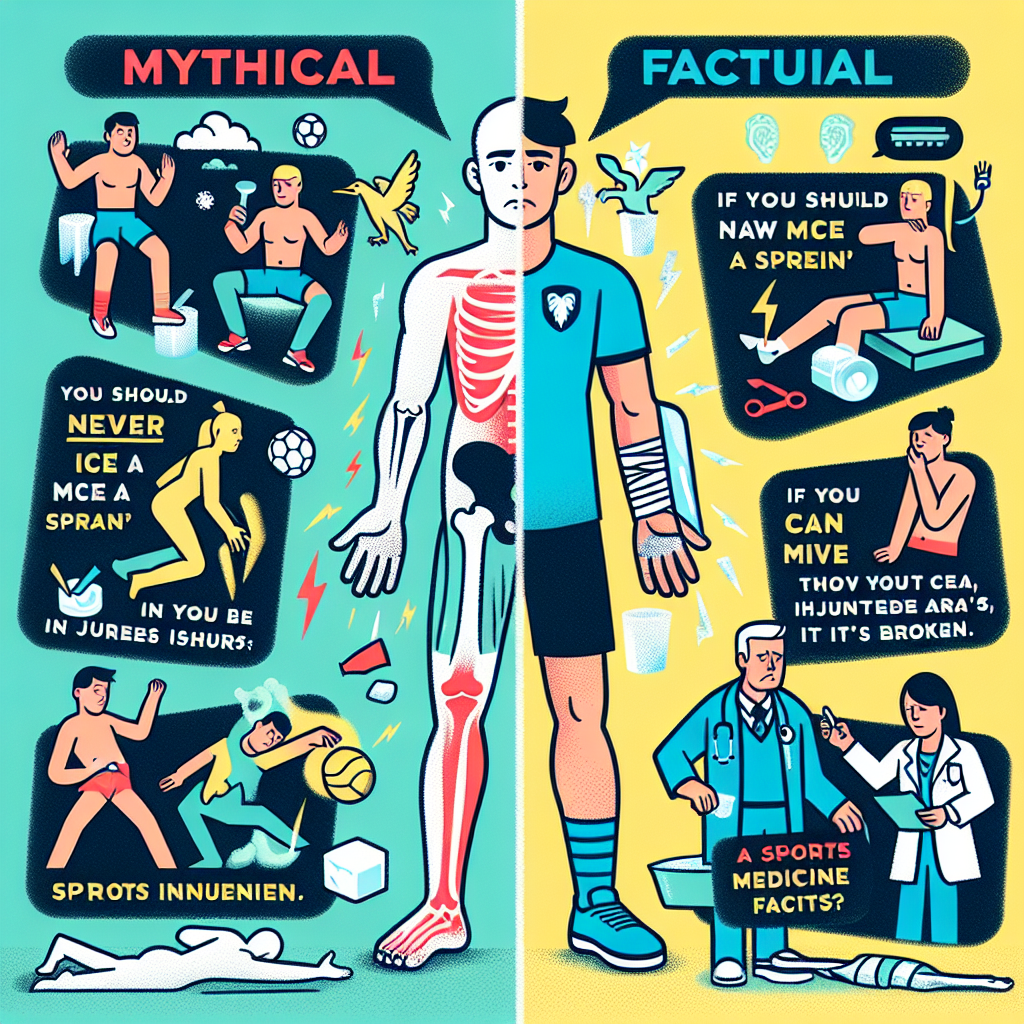
Sports injuries are a common part of athletic endeavors, whether you’re a weekend warrior or a professional athlete. However, myths and misconceptions surrounding sports injuries can lead to ineffective treatment and unnecessary fear. This article aims to debunk these myths and provide you with factual insights into sports injuries, promoting better understanding and recovery. Join us as we explore the reality behind these commonly held beliefs in “Myths and Facts: Debunking Common Misconceptions About Sports Injuries.”
Understanding the Most Common Sports Injury Myths
In the realm of sports, one prevalent misconception is that injuries only occur in contact sports like football or hockey. However, statistics reveal that sports such as running, cycling, and even swimming can lead to injuries just as severe. The truth is, injuries can occur in any sport due to a variety of factors, including overexertion, improper training techniques, and inadequate warm-ups. Athletes in non-contact sports are often not aware of the risks, which can lead to greater injury rates as they push their limits without proper precautions.
Another popular myth is that “no pain, no gain” is a healthy mantra to adopt in sports and exercise. Many athletes believe that pushing through pain is a sign of dedication, but this mindset can lead to severe injuries and long-term damage. Experts caution that pain is the body’s way of signaling distress and that ignoring these signals can exacerbate existing injuries or create new ones. Instead, athletes should listen to their bodies and prioritize recovery when experiencing pain.
Fact vs. Fiction: The Truth about Injury Prevention
A common belief is that stretching before engaging in sports effectively prevents injuries. While stretching is important, research shows that static stretching before physical activity may not significantly reduce the risk of injuries. Instead, a dynamic warm-up focused on movement-specific exercises is recommended to prepare the body for physical exertion. This type of warm-up increases blood flow to muscles, enhances flexibility, and improves overall athletic performance, leading to a lower risk of injuries.
Moreover, many athletes believe that strength training is detrimental to their performance and agility. This myth stems from the misconception that bulkier muscles can slow you down or impede quick movements. In fact, strength training, when done correctly, can enhance muscle endurance and joint stability, ultimately reducing injury risk. Programs focused on functional strength not only prepare athletes for the specific demands of their sport but can also aid in injury recovery by reinforcing muscle balance.
Sports Injuries: Who is at Risk?
One of the most common misconceptions is that only amateur or untrained athletes suffer from sports injuries. In reality, professionals are also at risk, sometimes even more so due to the intensity and frequency of their training. Factors such as play schedules, level of competition, and the body’s wear and tear play crucial roles in the incidence of injuries across all levels of athletes. Proper care, warm-ups, and injury management are critical, regardless of skill level.
Additionally, some believe that younger athletes are less susceptible to injuries compared to their older counterparts. This is far from the truth, as overuse injuries are significantly on the rise among children and adolescents due to early specialization in sports and lack of proper rest. Younger athletes often ignore pain in hopes of impressing coaches and peers, leading to severe conditions like stress fractures or tendinopathies. Education about injury risks and recovery becomes crucial for young athletes, coaches, and parents alike.
In terms of gender differences, there are misconceptions that the susceptibility to certain sports injuries varies between genders. Research indicates that female athletes are at higher risk for specific injuries, such as ACL tears, due to anatomical and hormonal differences. However, this does not mean male athletes are immune from such injuries. Therefore, tailored training programs that acknowledge and address these differences in injury risk should be created for both male and female athletes.
Recovery and Rehabilitation: Separating Myth from Reality
A pervasive belief in sports injury recovery is that resting a hurt body part is the best course of action. While rest is certainly necessary after an injury, prolonged inactivity can lead to muscle atrophy and joint stiffness, delaying the recovery process. It is critical to engage in active rehabilitation strategies, which involve gradually reintroducing movement and strengthening exercises under the guidance of healthcare professionals. Active rehabilitation can help return an athlete to their sport more effectively than simply resting.
Another myth is that ice is always the best initial treatment for sports injuries. Traditionally, the RICE method (Rest, Ice, Compression, Elevation) has been emphasized for treating acute injuries. Recent findings indicate that applying heat might be more beneficial in certain cases, such as during the recovery phase where increased blood flow can facilitate healing. Recovery approaches should be personalized, assessing the individual’s condition before deciding on the most effective treatment.
Finally, some athletes believe that once an injury has healed, they can return to their sport immediately at the same competitive level. The misconception that “once healed, always healed” can lead to setbacks and re-injury. It’s essential to follow a structured return-to-play protocol that gradually reintroduces competitive intensity while monitoring for any pain or discomfort. This approach allows the body to adapt and significantly reduces the chances of re-injury.
Understanding the Role of Professionals in Injury Management
One common misconception is that athletes can self-diagnose and treat sports injuries without professional help. While some minor injuries might not require a doctor’s visit, a proper assessment from a sports medicine professional is crucial to identify the injury accurately and create a tailored rehabilitation plan. Misdiagnosis can lead to improper recovery methods, exacerbating the injury or resulting in long-term consequences. Relying on professionals ensures athletes receive appropriate treatment and guidance throughout their recovery process.
Another myth is that all sports injuries can be treated equally with rest and over-the-counter pain relievers. In reality, not all injuries are alike, and a one-size-fits-all approach can be harmful. Treatments vary based on the type of injury, its severity, and the athlete’s overall health. Professionals utilize diagnostic tools like MRI or X-ray to guide treatment decisions, which might include physical therapy, medication, or even surgical intervention. Customized treatment plans tailored to the specific injury and the individual athlete are vital for effective recovery.
Moreover, many athletes believe that seeking help from a sports psychologist is unnecessary for injury recovery. Mental health plays a crucial role in healing and performance. Injury can lead to feelings of anxiety, fear of re-injury, and depression, impacting recovery progress. Sports psychologists can provide athletes with coping strategies, mental resilience techniques, and emotional support, proving integral to a comprehensive rehabilitation program. Acknowledging and addressing the psychological aspects of sports injuries leads to a more effective overall recovery.
Conclusion
In conclusion, understanding the myths and facts concerning sports injuries is crucial for athletes of all levels. By debunking common misconceptions—ranging from the belief that injuries only occur in contact sports, to treatment myths such as the efficacy of rest over active recovery—we can better equip ourselves for injury prevention and rehabilitation. Adopting a comprehensive approach to understanding these issues fosters safer sporting environments and promotes healthier practices. Staying informed not only helps in managing sports injuries but also enhances athletic performance and well-being.
FAQs
1. What are the most common types of sports injuries?
Common sports injuries include sprains and strains, fractures, dislocations, tendonitis, and concussions. The type of injury typically depends on the sport and the level of physical activity involved.
2. How can I prevent sports injuries?
Preventing sports injuries involves proper warm-ups, strength training, using appropriate equipment, and allowing for adequate rest and recovery between workouts or games.
3. When should I see a doctor for a sports injury?
You should consult a doctor if you experience severe pain, swelling, inability to bear weight, or any persistent symptoms that do not improve with basic first aid measures.
4. What is the best way to treat a minor sports injury at home?
For minor injuries, rest, ice application, compression, and elevation (RICE) can be effective. However, if symptoms persist or worsen, seek professional medical advice.
5. How long does it usually take to recover from a sports injury?
Recovery times can vary widely based on the type of injury, its severity, and the individual’s overall health. Minor injuries may heal in a few days, while more serious injuries can take weeks to months for complete recovery.