Strategies for Safe Play: Reducing the Risk of Injury
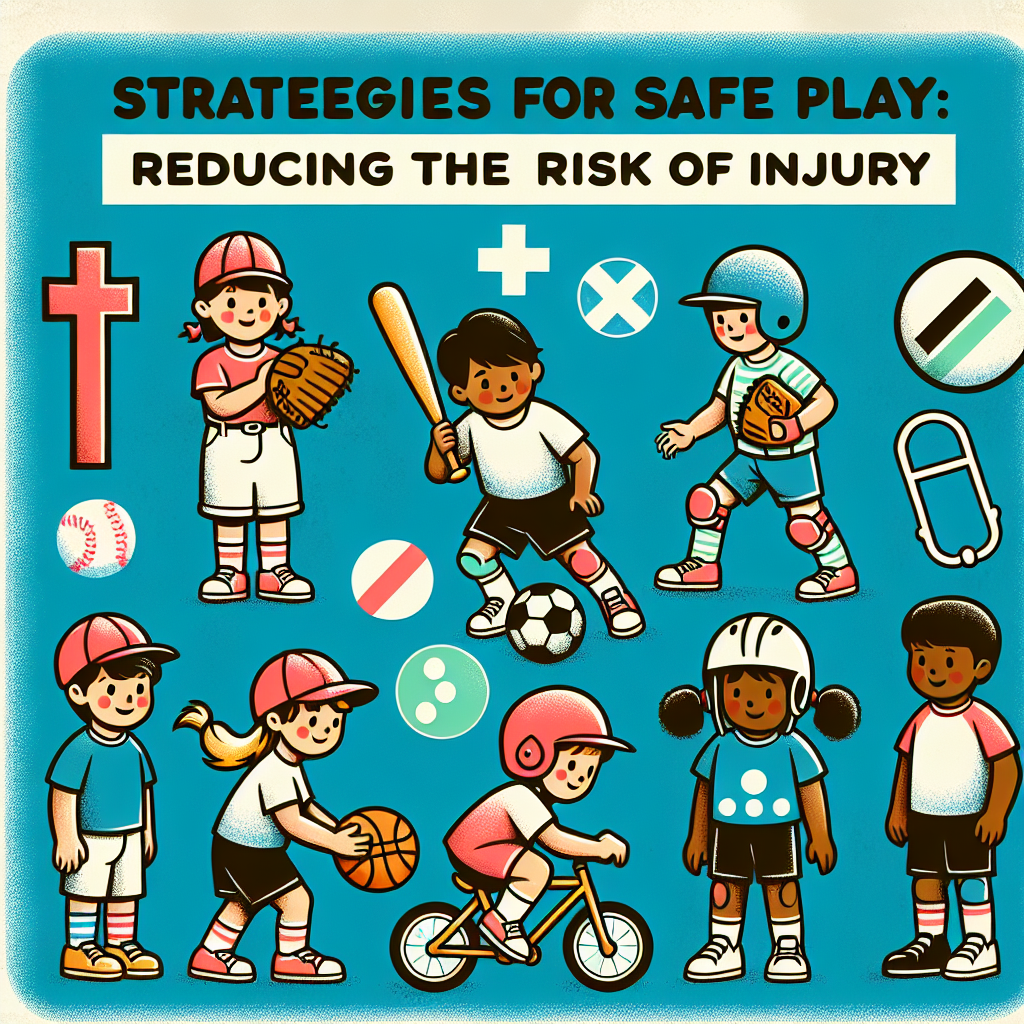
Strategies for Safe Play: Reducing the Risk of Injury
In recent years, the growing emphasis on safe play in sports and recreational activities has highlighted the importance of injury prevention. As we welcome 2025, both parents and coaches are increasingly aware of the risks associated with physical activities—especially for children and youth. The strategies for safe play not only enhance the enjoyment of sports but also reduce the likelihood of injuries that can sideline athletes for extended periods. This article explores comprehensive strategies and innovative practices that can effectively create safer environments, ensuring a fulfilling experience for players of all ages.
Understanding the Importance of Safe Play
Safe play is not just a concept; it is a necessity in today’s sports culture. In 2025, we recognize that over 3.5 million children under the age of 14 are treated for sports-related injuries annually. These alarming statistics underline the critical need for preventive measures. Developing a holistic understanding of safe play involves recognizing the risks, the physical demands of different sports, and knowing how to mitigate those dangers. Understanding the importance of safe play contributes not only to better physical outcomes but also promotes mental well-being, fostering resilience and character development in young athletes.
Parents, coaches, and sports organizations must work collaboratively to create an environment that prioritizes safety. This approach involves implementing guidelines that are age-appropriate, ensuring that equipment used is suitable, and instilling in young players the value of safety first. An investment in education regarding injury prevention can shift the focus from merely winning to valuing health—an essential change needed to reshape the competitive landscape of youth sports in 2025.
Effective Training and Preparation Techniques
One of the foremost strategies for safe play is implementing effective training and preparation techniques. Before any season begins, athletes should undergo proper conditioning programs tailored to their specific sport. These training sessions should include stretching, strengthening exercises, and drills that not only enhance skills but also emphasize safe movements. By integrating sport-specific warm-up routines, athletes can significantly lower their risk of muscle strains and other injuries.
Additionally, educating athletes on the importance of listening to their bodies cannot be overemphasized. Young players often feel pressured to push through pain, leading to injuries that could have been avoided. Coaches should emphasize the importance of rest and recovery, encouraging players to communicate any discomfort they may experience. This proactive approach to training and preparation fosters a culture of safety and well-being that is vital to long-term athletic development.
Enhanced Equipment Standards and Safety Protocols
Another critical aspect of strategies for safe play involves the use of proper equipment and adherence to safety protocols. As of 2025, advancements in sports equipment technology have provided players with better protective gear designed to reduce injury risks. From helmets with advanced impact management systems to shoes designed for optimal traction and ankle support, investing in high-quality equipment is fundamental for safety.
However, simply having the right gear isn’t enough; enforcing safety protocols is equally essential. Leagues and organizations should establish strict rules about the necessary equipment for each sport and conduct regular checks to ensure compliance. Furthermore, providing education about the correct use and maintenance of equipment can boost safety awareness among athletes. With proper equipment and enforcement of safety measures, the risk of preventative injuries can be significantly mitigated.
Creating a Safe Playing Environment
A safe playing environment is paramount when discussing strategies for safe play. Factors such as field conditions, weather, and facility maintenance play significant roles in athlete safety. As of 2025, there is a growing trend to advocate for the maintenance and enhancement of sports facilities to ensure that they meet safety standards. Coaches and facility managers must regularly inspect fields and courts for hazards like uneven surfaces, debris, or poorly maintained equipment that could lead to injuries.
In addition to physical safety, the psychological safety of young athletes should also be prioritized. Sports should be a fun and inclusive experience; however, pressure to perform can lead to stress and anxiety. Coaches should foster a supportive atmosphere where players feel safe not just physically, but emotionally. Recognizing the signs of anxiety or stress and addressing them promptly can lead to a healthier sporting experience for everyone involved.
Ongoing Education and Awareness Initiatives
Ongoing education plays a pivotal role in reducing the risk of injury in sports. In 2025, sports organizations are increasingly focusing on implementing awareness programs for athletes, coaches, and parents. These programs can cover a wide array of topics, including recognizing injuries, understanding the importance of hydration, and the negative impact of overtraining. By equipping participants with knowledge, they are better prepared to make informed decisions, promoting safe play.
Furthermore, regular workshops and clinics can be beneficial in keeping everyone updated on the latest techniques and practices in injury prevention. Engaging professionals, such as physiotherapists and nutritionists, in these sessions can add value and provide participants with multifaceted insights on maintaining health and safety standards.
Regularly distributing materials that outline the signs and symptoms of common sports injuries can help both athletes and their families stay informed. This ongoing commitment to education empowers young athletes and nurtures a community centered on safety and well-being.
Importance of Monitoring and Feedback Mechanisms
Monitoring athlete progress and establishing feedback mechanisms are indispensable strategies for safe play. Coaches and parents should work together to monitor the physical and mental well-being of athletes throughout the season. Keeping a close eye on athletes’ performance and behaviors can help identify changes that may indicate underlying injuries or issues.
Feedback mechanisms also promote awareness and accountability. Regular meetings with athletes to discuss their experiences, any discomforts, and personal goals can foster open communication and enhance safety. With an environment that encourages feedback, athletes will feel empowered to report their injuries without fear of repercussions.
Moreover, introducing technology, such as wearable devices that track health metrics—such as heart rate and fatigue levels—can offer valuable insight into each athlete’s condition. This data can guide training decisions and help in preempting potential injuries, ensuring the safety of our young athletes.
Conclusion
Strategies for safe play are essential in reducing the risk of injury, allowing athletes to thrive both physically and mentally in their sports endeavors. As we progress through 2025, the combination of understanding the importance of safe play, effective training, equipment standards, a safe environment, education, monitoring, and feedback form a multi-faceted approach towards injury prevention. Transforming the sports culture to prioritize health and safety over competition will not only improve player retention but also increase enjoyment and satisfaction in athletes’ sporting experiences. Together, we can cultivate a safer, more mindful sports environment for everyone.
FAQs Section
What are some common injuries in youth sports?
Common injuries in youth sports include sprains, strains, fractures, and concussions. These injuries can arise from improper techniques, inadequate warm-up, or lack of protective gear.
How can parents contribute to their child’s safe play?
Parents can help by ensuring their child has the right equipment, encouraging safe practices, and being supportive of their child’s needs in maintaining balance between play and rest.
What should athletes do if they feel pain during a game?
Athletes should immediately inform their coach or medical staff if they experience pain during a game. Ignoring pain can lead to more serious injuries later on.
Are there specific training programs for injury prevention?
Yes, many organizations now offer training programs focusing on injury prevention that include strength training, flexibility exercises, and safe techniques tailored to specific sports.
How often should safety education be conducted for coaches and parents?
Safety education should be conducted regularly, ideally at the beginning of each season and supplemented with ongoing training sessions to keep all parties well-informed.