The Evolution of Olympic Sports Through the Decades
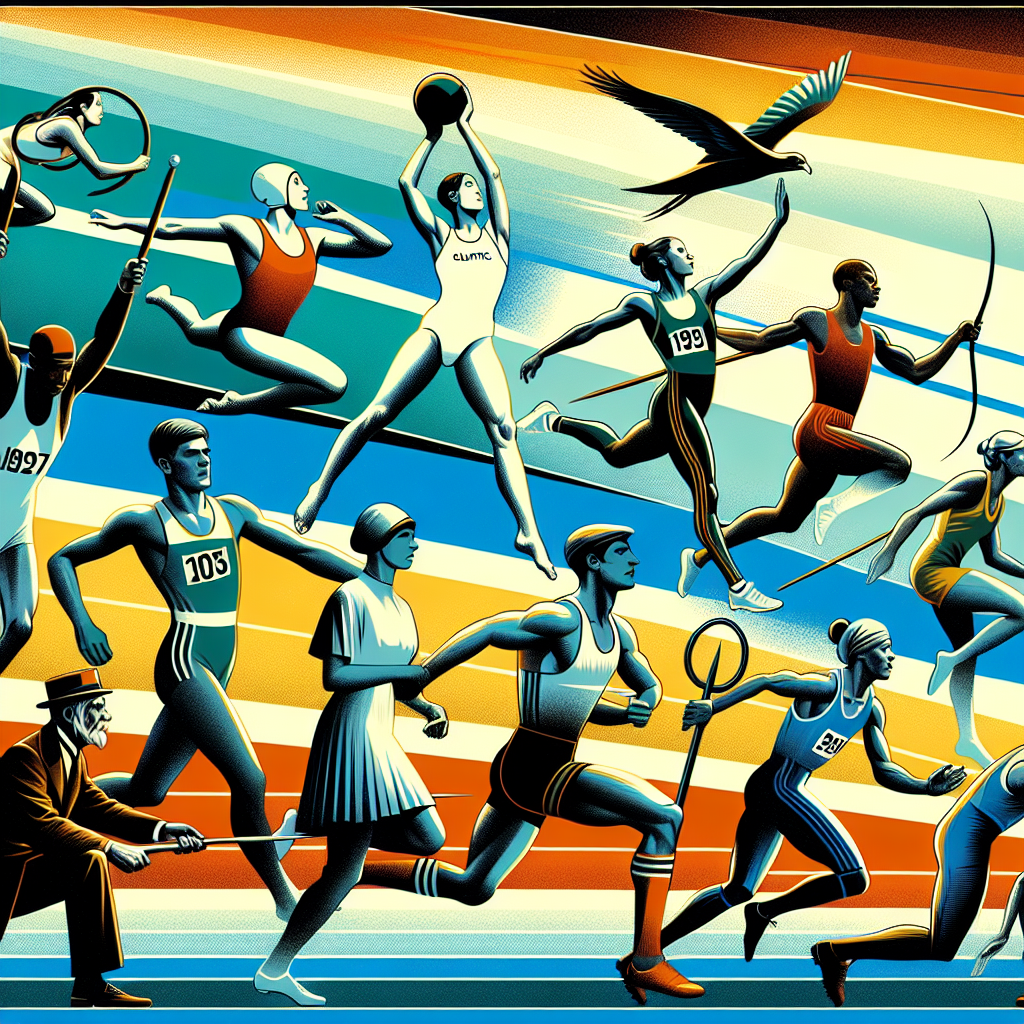
The Olympic Games represent the pinnacle of athletic competition, showcasing the world’s finest talents every four years. But beyond mere athletic feats, the Games embody a rich tapestry of cultural evolution, symbolizing societal change and historical context. From their ancient origins in Greece to the Olympic revival in the 19th century and the modern iteration that spans continents and time zones, the evolution of Olympic sports through the decades reveals profound insights into our collective human experience.
Understanding the Ancient Origins of Olympic Sports
The roots of Olympic sports can be traced back to ancient Greece, with the first recorded Olympic Games held in Olympia in 776 BC. Initially, these Games were a series of athletic competitions among city-states, honoring Zeus. Events included running, wrestling, boxing, the pentathlon, and equestrian races. The significance of these ancient Olympic sports extended beyond mere competition; they were a vessel for cultural exchange and political unity. Athletes would often compete in the nude to celebrate the human body, embodying ideals of strength and virtue that resonate even today.
As centuries progressed, the Games thrived and evolved until they were eventually suppressed in AD 393 due to the rise of Christianity, which deemed them pagan festivals. This cessation marked a significant point in the history of sporting events, reflecting a societal transition towards different values. For almost 1,500 years, the Olympic Games lay dormant, echoing the broader decline of athletic competition in the Western world. However, the seeds of revival were sown during the 19th century, leading to an era of rejuvenation and transformation of Olympic sports into what we recognize today.
The Revival of the Olympic Games in the 19th Century
The modern Olympic Games were revived in 1896, thanks to the dedication of Pierre de Coubertin. His vision was to foster international goodwill and understanding through sports, a concept that was revolutionary at the time. The inaugural modern Olympics included 13 countries and featured 43 events, predominantly rooted in traditional athletics like running and gymnastics. This revival marked the beginning of a new era in Olympic sports, slowly transforming into a global phenomenon that would capture the imaginations of millions.
As the 20th century approached, the structure and organization of the Olympic Games underwent rigorous refinement. The introduction of the Olympic flag and the Olympic oath, alongside the establishment of the International Olympic Committee (IOC), cemented these Games as a prestigious international event. Moreover, the early 1900s saw the first inclusion of female athletes and sports, igniting conversations about gender equality in sports that continue to resonate today. As a result, the landscape of Olympic sports began to reflect a more diverse global culture, laying the groundwork for future expansions.
The Olympics in the 20th Century: A Showcase of Change
The 20th century was a pivotal period for the Olympic Games, marked by significant changes and challenges. The Games faced political turmoil due to World Wars I and II, which interrupted their regular scheduling. Despite these setbacks, the post-war era witnessed a remarkable resurgence and expansion of Olympic sports, with new events such as swimming, basketball, and volleyball being added to the roster. This evolution highlighted a shift toward a more inclusive and varied athletic competition, catering to a broader audience and celebrating diverse skills.
Furthermore, the representation of nations at the Games evolved drastically during this period. The Cold War era brought intense rivalry between the United States and the Soviet Union, with athletes becoming symbols of national pride. The motivations behind Olympic participation shifted from mere athletic competition to a demonstration of political ideology and national superiority. The famous “Miracle on Ice” in 1980, where the underdog U.S. ice hockey team defeated the heavily favored Soviet squad, is a perfect example of how sports serve as a microcosm of larger geopolitical narratives.
In the 1990s, commercialization further transformed the event, with substantial financial investments leading to the birth of mega-sponsors and lucrative broadcast rights. The 1992 Barcelona Olympics epitomized this new era, showcasing not only athletic prowess but also cultural festivities, grand ceremonies, and enhanced spectator experiences through advanced technology. This transition disassembled old paradigms and set the stage for the future dynamics of the Olympic Games.
Technological Advances and Their Impact on Olympic Sports
As we ventured into the 21st century, the intersection of technology and sports became increasingly evident. The advent of digital platforms transformed how audiences engage with the Olympics, allowing fans worldwide to experience live coverage, highlights, and personalized content through various mediums. Advanced broadcast technologies, including high-definition feeds and live-streaming options, made the Olympic Games more accessible than ever before.
Moreover, the introduction of performance-enhancing technologies also raised ethical questions, challenging the integrity of Olympic sports. Innovations in training, nutrition, and biomechanics have provided athletes with tools to push human limits. However, these developments have sparked debates about fairness and the spirit of competition. The infamous doping scandals from previous Olympics remind us of the critical balance that must be struck between utilizing technology for performance improvements and maintaining sportsmanship.
Furthermore, the impact of technology is not just limited to performance; it extends into the very fabric of the Games themselves. The Tokyo 2020 Olympics, held in 2021 due to the pandemic, showcased contactless technology to ensure safety, alongside robotics and artificial intelligence used for operations, logistics, and even spectator engagement. This blend of high-tech innovations not only met the challenges posed by the global pandemic but also set a precedent for future Olympic Games.
The Future of Olympic Sports: Inclusivity and Evolution
Looking ahead to 2025 and beyond, the future of Olympic sports appears brighter and more inclusive. With discussions focusing on gender equality, sustainability, and accessibility, the Games aim to create a more equitable environment for athletes. The incorporation of new sports, including skateboarding, surfing, and sport climbing, reflects a shift in cultural values and a desire to appeal to younger audiences, enhancing the Olympic spirit while acknowledging the changing landscape of global youth culture.
Moreover, initiatives promoting the participation of para-athletes have gained international recognition. The merging of the Olympics and Paralympics showcases a commitment to inclusivity, providing a platform for athletes of all abilities to demonstrate their extraordinary talents. This evolution signifies a crucial step in normalizing Paralympic sports and encouraging a broad appreciation for the diverse forms of sportsmanship.
As the IOC commits to sustainability in its practices, the future of Olympic sports also encompasses environmental stewardship. Efforts to minimize the Games’ carbon footprint, reduced waste, and increased reliance on renewable energy sources highlight a collective commitment to protecting our planet. The emphasis on sustainability resonates with younger generations, ensuring that the Olympic Games continue to inspire not just athletes but also responsible global citizens.
Conclusion: A Reflection on the Evolution of Olympic Sports
The evolution of Olympic sports through the decades reflects the dynamic interplay between culture, politics, technology, and human aspiration. From the ancient races in Olympia to the sophisticated competitions we witness today, these Games serve as a testament to our evolving identity as a global society. The interplay of inclusivity, technological advancements, and sustainability has shaped an Olympic narrative that continues to inspire generations.
As we move toward future Olympic Games, the lessons of the past and aspirations for a unified and exceptional sporting experience lay the groundwork for a harmonious athletic future. The Olympics stand as more than just a celebration of sports; they encapsulate timeless ideals of excellence, unity, and resilience.
FAQs
What were some significant changes in Olympic sports during the 20th century?
The 20th century saw the inclusion of new sports, significant geopolitical influences, and commercialization. Events like basketball and volleyball were added, and the Cold War rivalry increased nationalistic sentiments. The Games elevated the level of competition and introduced new revenue streams through broadcasting and sponsorships.
How has technology influenced Olympic sports in recent years?
Technology has transformed Olympic sports through advancements in media distribution, athlete training, and operational efficiency. Innovations such as live streaming, AI for logistics, and data analytics have enhanced audience engagement and athlete performance, while ethical questions around performance-enhancing tech continue to emerge.
What is the significance of sustainability in the future of the Olympics?
Sustainability is becoming a core component of planning and executing the Olympic Games. The commitment to reduce environmental impact and promote eco-friendly practices reflects a holistic approach towards hosting, appealing to younger audiences and fostering responsible global citizenship.
How are inclusivity and diversity being addressed in the Olympics?
The Olympics are increasingly focusing on inclusivity by introducing more mixed-gender events, supporting para-athletes, and promoting gender equality. Expanding sports and ensuring diverse representation showcases a commitment to reflecting the global community’s diversity and fostering a more equitable sporting environment.
What are some of the newest sports included in the Olympics?
Recent additions to the Olympic roster include skateboarding, surfing, and sport climbing. These sports aim to engage younger audiences and mirror contemporary youth culture, emphasizing inclusivity and the evolution of athletic participation on a global scale.