The Evolution of Sports Rankings: From Polls to Data Analytics
Introduction
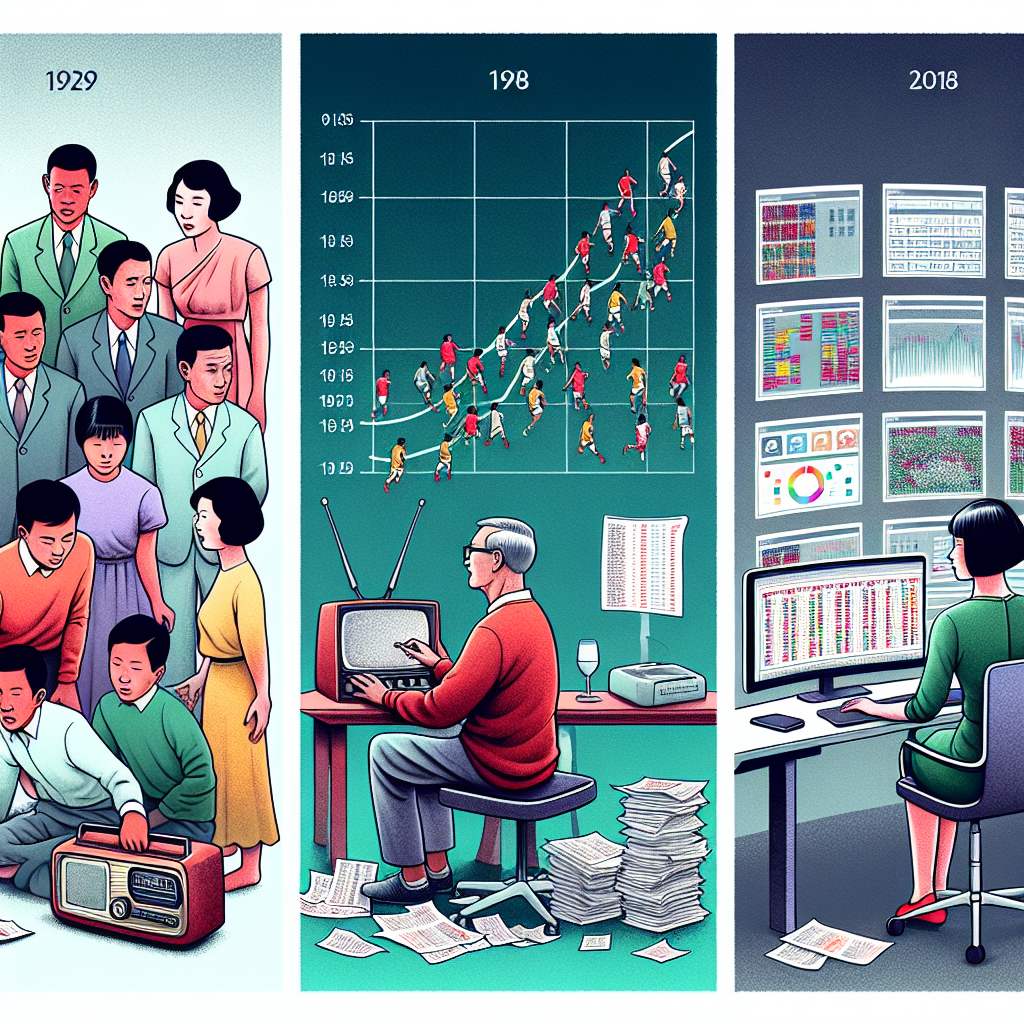
The evolution of sports rankings has undergone a significant transformation over the years, transitioning from traditional polls to sophisticated data analytics. In 2025, the sports landscape is not only competitive, but it’s also driven by advanced technology and analytics that help fans, athletes, and organizations make sense of performance metrics. This article delves into the intricacies of how sports rankings emerged, the impact of technology, and how data analytics has reshaped these systems, culminating in more accurate and fair evaluations of athletic prowess.
The Birth of Sports Rankings: Traditional Polls
The concept of sports rankings began in the early 20th century, primarily through simple polls and subjective assessments. At the onset, sports affiliations and regional biases heavily influenced these rankings. Organizations like the Associated Press (AP) and the Coaches Poll were among the first to establish standardized methods for ranking teams in college football and basketball. These early rankings relied on the opinions of sportswriters or coaches who voted based on their observations and biases, ultimately setting a precedent for how teams were evaluated.
However, this subjective nature posed challenges in accuracy and consistency. With rankings often influenced by a team’s popularity, media coverage, and geographical location, discrepancies arose, leading to debate among fans and analysts alike. Some teams could rank higher despite having weaker records, simply due to their marketability or historical performance. As popularity for sports grew, so did the demand for more objective methods of ranking, which eventually paved the way for the evolution of sports rankings.
The Shift Towards Objective Metrics
As sports evolved, so did the necessity for objective assessments of team and player performances. In the late 20th century, statistical analyses began to gain traction, thanks mainly to the availability of sports data. Websites like ESPN and Sports Reference started compiling statistics, showing fans a quantifiable perspective on team and player performances. These advancements made it clear that relying solely on polls was insufficient for accurately ranking teams or evaluating talent.
By the early 2000s, the adoption of data metrics such as Wins Above Replacement (WAR) in baseball and player efficiency ratings in basketball started changing the landscape of sports evaluation. These metrics utilized various statistical formulas to provide a more comprehensive view of a player’s contributions to their team. As technology progressed and data collection methods became more profound, sports analysts began adopting these quantitative approaches to provide clearer insights into performance, shifting the perception of sports rankings forever.
The Rise of Advanced Metrics and Analytics
With the emergence of big data in the 2010s, the way sports rankings were calculated changed dramatically. Teams began employing statisticians and data scientists to analyze performance through advanced metrics. This era marked a shift from basic statistics to more sophisticated measurements, such as Expected Goals (xG) in soccer and PER in basketball. These metrics not only accounted for goals or points scored but also other influential factors like chance creation or defensive ability.
In conjunction with these advanced metrics, technology provided tools like video breakdowns and tracking devices that offered deeper insights into player performance. Data analytics started to influence everything from strategic decisions during games to talent acquisition in the off-season. As the analytical approaches proved successful, other sports organizations began to adopt similar techniques, further entrenching data analytics in the world of sports rankings.
The Current State of Sports Rankings in 2025
As we find ourselves in 2025, sports rankings are more sophisticated than ever. Instead of merely relying on polls or traditional statistics, many leagues and organizations incorporate machine learning algorithms that analyze vast datasets in real-time. These algorithms can account for various situational variables, from weather conditions to player injuries, enabling a more dynamic process for team evaluation. Tools like the Player Impact Estimate (PIE) in basketball or the Elo rating system in chess have gained prominence, providing nuanced insights that challenge traditional ranking methodologies.
Additionally, the interplay between fan engagement and technology has refined rankings further. Fans are now involved in the rankings process through online platforms that aggregate viewer preferences alongside statistical data. This bidirectional flow has made rankings more inclusive and reflective of community sentiment, while still honoring the empirical aspect of performance assessment.
Furthermore, innovations such as blockchain technology have started shaping transparency within rankings, mitigating issues like vote manipulation in polls. By ensuring verified data integrity, these technologies promise a fairer evaluation system, helping to build trust in the rankings process among fans and athletes alike.
The Future of Sports Rankings: Anticipating Changes Ahead
Looking ahead, the evolution of sports rankings is poised to continue advancing, as technological integration becomes deeper within the sports industry. With the advent of artificial intelligence and hardware capable of biometric data collection, the scope of player and team evaluation will likely reach new heights. Predictive analytics could help anticipate player performance and injury risks, reshaping how teams approach training, match preparations, and overall rankings.
Moreover, as virtual and augmented reality technologies become more pervasive, fan engagement with rankings could transition to interactive platforms, where users experience real-time data in immersive formats. This not only adds another layer of insight for fans but also presents unique challenges for sports organizations to maintain accuracy and objectivity in what might become a multi-dimensional ranking experience.
In this exciting landscape where sports rankings take on new forms and functions, collaboration among analytics experts, coaches, and players will be paramount. This cooperative approach will ensure that rankings not only reflect statistical accuracy but also honor the essence of the sports they represent—competition, talent, and passion.
Conclusion
The journey of sports rankings from traditional polls to data analytics has been dynamic and transformative. From subjective assessments influenced by biases to objective, data-driven evaluations, the evolution highlights the ongoing quest for accuracy and fairness in sports. As we navigate the landscape of 2025 and beyond, the integration of advanced metrics and technology promises to continue shaping sports rankings in innovative ways. The future points toward an exciting era melding human insights with technological prowess, ultimately enriching the experience for fans, athletes, and organizations alike.
FAQs
1. What are the traditional methods of ranking sports teams?
Traditional methods primarily rely on consensus polls, where sportswriters and coaches vote on rankings based on opinions and subjective assessments of team performance.
2. How has data analytics changed sports rankings?
Data analytics has introduced objective performance metrics, allowing for a more precise evaluation of teams and players. Metrics such as Expected Goals and Wins Above Replacement provide deeper insights than traditional statistics.
3. What role does technology play in current sports rankings?
Technology plays a crucial role by enabling real-time data analysis, advanced statistical modeling, and enhanced fan engagement through interactive platforms, shaping the accuracy and transparency of rankings.
4. What are some challenges facing sports rankings today?
Challenges include dealing with biases, maintaining data integrity, ensuring transparency, and the constant evolution of technology and analytics that necessitate adaptation by sports organizations.
5. How might the future of sports rankings look with advancing technologies?
The future may see the integration of AI, predictive analytics, and immersive technologies, allowing for interactive, real-time assessments of performance that enhance both fan engagement and the accuracy of rankings.