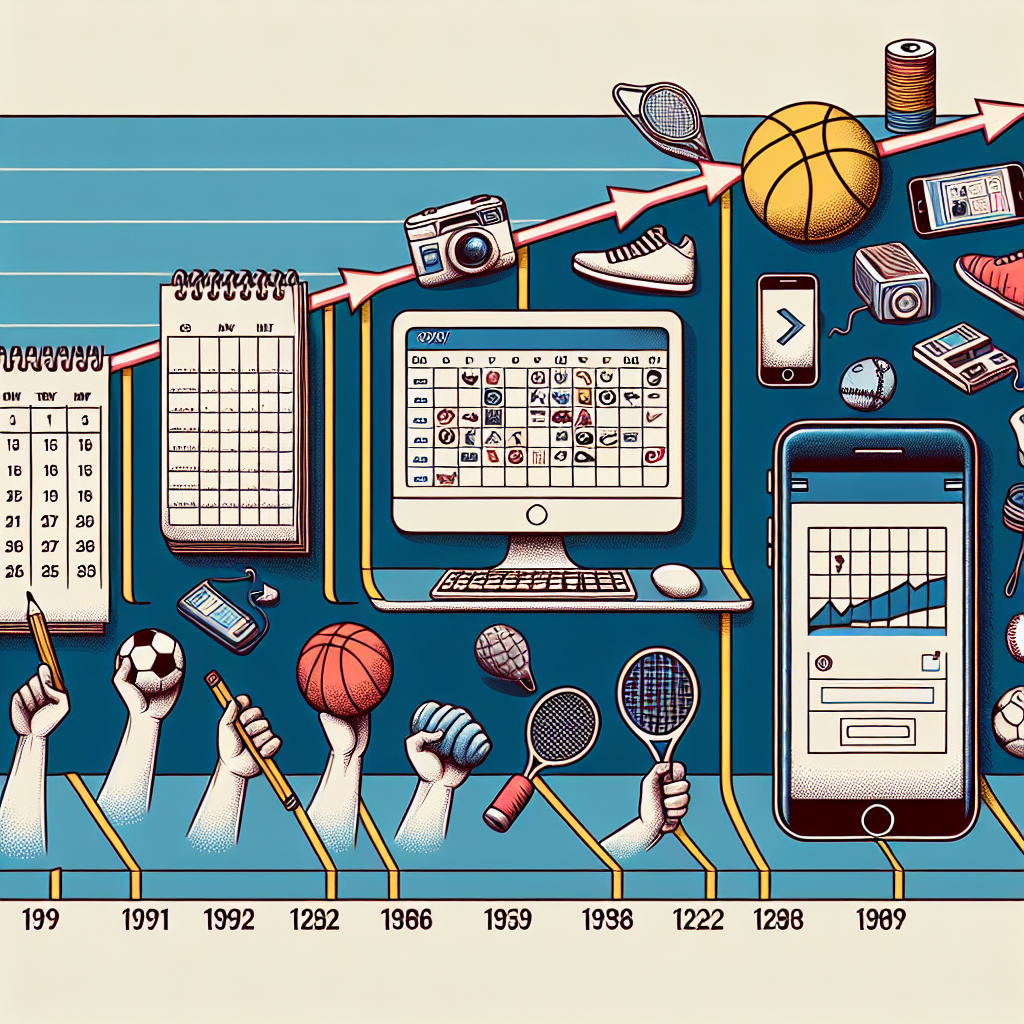
The world of sports scheduling has undergone a dramatic transformation in the digital age, reshaping how fans, athletes, and organizations interact with sports. Gone are the days of paper calendars and static schedules; in 2025, sports scheduling is a high-tech endeavor that utilizes sophisticated algorithms, mobile applications, and real-time data analytics to deliver seamless experiences. As we delve into the evolution of sports scheduling, it’s crucial to understand how technology has not only improved efficiency but also enhanced fan engagement and athlete well-being.
The Impact of Technology on Sports Scheduling
The integration of technology into sports scheduling can be traced back several years, but the current landscape in 2025 showcases its full potential. Advanced software systems and applications have revolutionized the way leagues and teams plan their calendars. Not only are these systems capable of managing complex logistical requirements, such as travel and venue availability, but they also optimize game times to maximize television viewership and fan attendance.
In addition to scheduling software, cloud computing and big data analytics have become essential tools for sports organizations. By analyzing historical data, these organizations can predict patterns and make informed decisions regarding event scheduling. For instance, algorithms can analyze fan demographics and viewing habits to determine optimal game times, enhancing overall attendance and engagement. This data-driven approach ensures that sports scheduling is not merely reactive but strategically designed to cater to evolving audience preferences.
The Rise of Mobile Apps in Fan Engagement
In 2025, mobile applications play a pivotal role in the realm of sports scheduling, providing fans with instant access to game times, locations, and ticket information. Sports leagues and teams have increasingly invested in app development, enabling fans to personalize their experience based on their favorites. Such applications push notifications about scheduling changes, thereby keeping fans informed in real-time, which is essential in an age where immediate information is paramount.
Moreover, mobile apps have introduced innovative features like interactive maps for stadium locations, QR codes for ticket scanning, and integrated social media sharing options. This interactivity not only personalizes the fan experience but also boosts attendance figures, as fans can easily plan their outings based on the information brought right to their fingertips. The seamless integration of scheduling data within these applications ensures fans feel connected and engaged with their favorite teams.
Artificial Intelligence and Predictive Scheduling in Sports
The role of artificial intelligence (AI) in sports scheduling has gained remarkable traction in the digital age. In 2025, AI-driven scheduling algorithms are utilized to automate the intricate process of game logistics, addressing factors such as team travel distances, rest periods, and park conditions. By simulating various scenarios, AI can generate optimal schedules that consider not only league obligations but also enhance player health by preventing over-scheduling and potential burnout.
Moreover, predictive analytics powered by AI can forecast attendance rates and fan engagement levels based on historical data and real-time social trends. This capacity enables teams and leagues to adapt their scheduling dynamically, making data-backed decisions on whether to reschedule games or alter event timings. As a result, teams align their operations with fans’ expectations while ensuring that athletic performance remains uncompromised.
Another fascinating development is the use of AI in identifying peak engagement times for various demographics, allowing teams to tailor their outreach strategies. By understanding when specific audience segments are most active, organizations can schedule games to maximize viewership and attendance, ensuring that marketing efforts align with sporting events, thereby creating a win-win situation for both teams and fans.
Sustainability Considerations in Sports Scheduling
As the world becomes increasingly conscious of environmental issues, the evolution of sports scheduling has also embraced sustainability principles. In 2025, many sporting organizations are prioritizing eco-friendly scheduling practices that minimize carbon footprints. For example, leagues are strategically scheduling games in a manner that reduces travel emissions and allows teams to create more condensed schedules during road trips.
This shift towards sustainability is further reflected in partnerships among leagues, teams, and transportation agencies. Collaborative scheduling allows teams from nearby locations to share travel arrangements, thereby promoting greener transportation options. Moreover, the timing of events is intelligently crafted to coincide with public transport availability, encouraging fans to use eco-friendly travel options to and from games.
Furthermore, the utilization of renewable energy at sports venues, coupled with schedule planning that reduces energy consumption during peak hours, has become a focal point for many leagues. Adaptive scheduling not only helps the environment but also enhances the brand image of sports organizations, making them more attractive to a growing segment of environmentally conscious fans.
The Future of Sports Scheduling: Trends to Watch
As we look to the future, several trends are poised to shape the evolution of sports scheduling beyond 2025. One of the most significant trends is the continuous development of integrated platforms that offer comprehensive scheduling solutions along with fan engagement tools. The emergence of all-in-one applications will enable fans to not only view schedules but also interact with other fans, purchase merchandise, and engage in real-time social media discussions all in one place.
Additionally, blockchain technology is likely to impact sports scheduling in terms of ticketing transparency and authenticity. By incorporating blockchain solutions, sports organizations can eliminate ticket fraud, ensuring that fans can securely purchase and verify tickets for events. This technology could also streamline scheduling and coordination among multiple teams and venues, fostering a more cohesive scheduling ecosystem.
Finally, the role of virtual and augmented reality (VR and AR) in sports scheduling is expected to expand. These technologies could allow fans to experience games from different angles and even provide immersive virtual attendance options when scheduling conflicts arise. Such innovations promise to enhance fan engagement and revolutionize how sports events are perceived and consumed.
Conclusion
The evolution of sports scheduling in the digital age is a testament to the profound impact of technology on how we engage with sports. From advanced scheduling algorithms that anticipate preferences and optimize logistics to mobile applications that make information accessible at our fingertips, the landscape has changed dramatically. Not only do software and AI enhance operational efficiency, but they also elevate the fan experience and promote sustainability within the industry. As we move forward, emerging trends will continue to reshape this dynamic field, making the future of sports scheduling more interconnected, transparent, and fan-friendly than ever.
FAQs
What are the benefits of technology in sports scheduling?
Technology enhances efficiency, accuracy, and fan engagement. It allows for real-time updates, predictive analytics for scheduling decisions, and mobile applications that keep fans informed about game times and locations.
How has AI influenced sports scheduling?
AI automates complex scheduling processes, optimizing travel logistics and player rest periods. It also uses predictive analytics to forecast attendance and fan engagement, making data-backed scheduling decisions.
What role does sustainability play in modern sports scheduling?
Sustainability considerations help minimize carbon footprints by reducing travel emissions and promoting eco-friendly transport options for fans. Leagues are increasingly focusing on scheduling practices that reflect their commitment to environmental responsibility.
How do mobile apps improve fan engagement?
Mobile apps provide fans with instant access to schedules, ticket information, and personalized notifications. They also offer features like interactive maps and social media sharing, enhancing the overall fan experience.
What is the future of sports scheduling technology?
The future will likely see more integrated platforms combining scheduling and fan engagement, greater use of blockchain for ticket security, and advancements in virtual and augmented reality to enrich the fan experience.