The Evolution of the Three-Point Shot: How It’s Changing the Game
The Evolution of the Three-Point Shot: How It’s Changing the Game
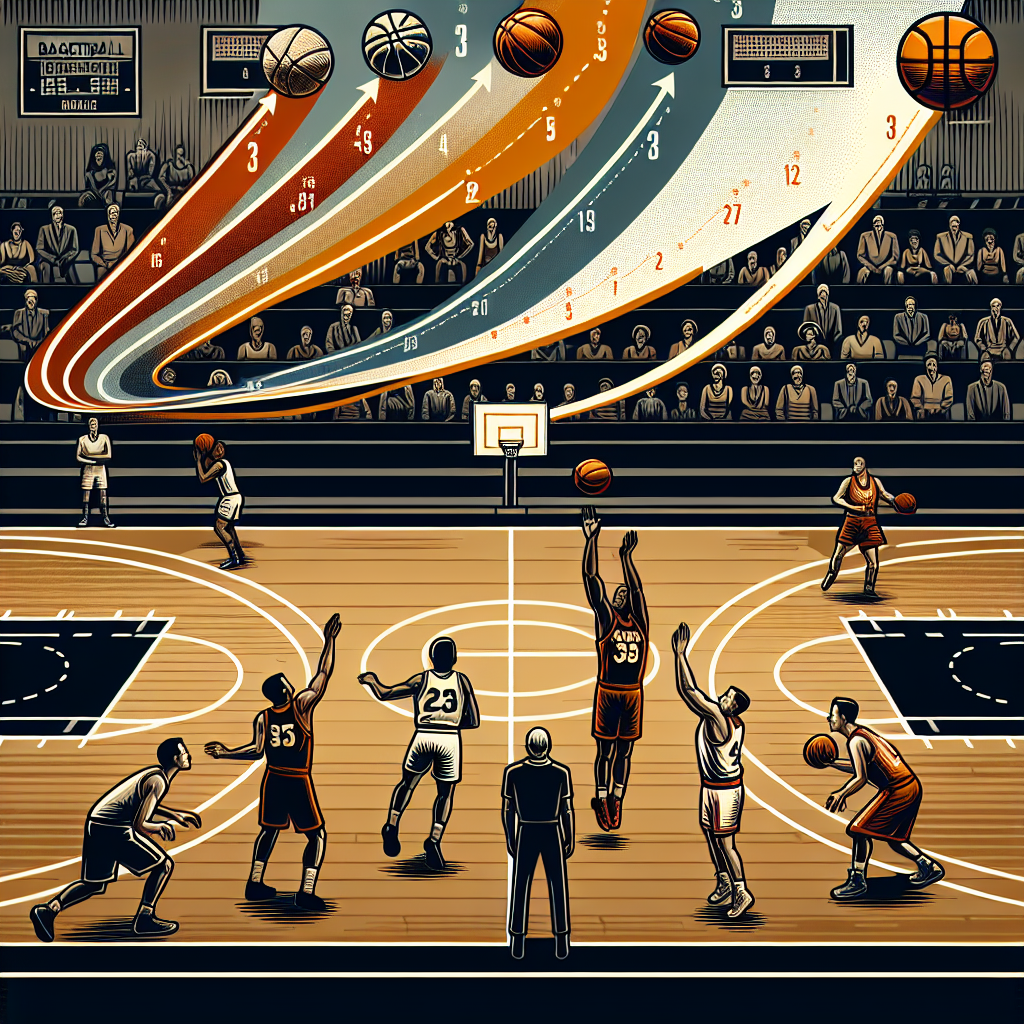
The three-point shot has transformed the landscape of basketball over the decades, shifting from a niche aspect of the game to a dominant strategic element. By 2025, the three-point shot has evolved significantly, reflecting changes in player skills, strategies, and fan expectations. This article delves into the evolution of the three-point shot, exploring its history, impact on gameplay, and how it is shaping the future of basketball.
The Origins of the Three-Point Shot in Basketball
The introduction of the three-point shot came into the NBA in the 1979-1980 season, initiated by the American Basketball Association (ABA) as a way to encourage more dynamic scoring and to space the floor. The initial reception was lukewarm, with many traditionalists questioning its value. Players like Chris Ford, who made the first official three-point shot in NBA history, began to demonstrate its potential. The jury was still out, however, as early adopters struggled with consistency while adapting their shooting range.
As the 1980s progressed, teams began to recognize the strategic advantage offered by the three-point shot. The NBA saw the rise of players such as Larry Bird and Dale Ellis, whose long-range shooting skills started to change the game’s dynamics. Coaches began to instill the importance of the three-point shot into their offensive schemes, seeing it as a tool that, when executed well, could stretch defenses and create opportunities for driving lanes. This era marked the beginning of the three-point revolution, laying the groundwork for the expansive role it plays in modern basketball.
The Expanding Role of the Three-Point Shot
Fast forward to the 2010s, where the NBA experienced a seismic shift in offensive strategies centered around the three-point shot. The Golden State Warriors, led by Stephen Curry and Klay Thompson, epitomized this change by integrating three-point shooting into their core system. Their success prompted other teams to follow suit, leading to a league-wide embrace of perimeter shooting as a primary offensive strategy. In the 2020s, almost every team began to prioritize shooting beyond the arc, leading to more spacing and more opportunities for creatively designed plays.
By 2025, the average number of three-point attempts per game had skyrocketed. The influence of analytics in basketball has only fueled this trend, as teams rely on data to guide player decisions and lineup strategies. Coaches increasingly utilize sophisticated metrics to calculate shooting efficiency, making near-distance two-point shots less favorable compared to three-point attempts. This data-driven approach has led to the rise of specialized roles, such as “stretch four” players, who can occupy the post while also being a credible three-point threat.
Player Development and the Three-Point Shot
The evolution of the three-point line has also affected player development, from youth leagues to professional ranks. Today’s young players are encouraged to extend their shooting range early in their training. Coaches are now integrating three-point shots into drills and practice routines, fostering a mindset that values long-range shooting and encourages creativity. This shift has led to an influx of talent who are proficient at shooting from the perimeter.
In recent years, training programs and skill development camps have increasingly focused on three-point shooting mechanics. Technologies such as shooting monitors, virtual reality, and data analysis are being employed to track performance and enhance skillsets. Consequently, players are arriving in the NBA with not only a higher volume of three-point shooting attempts under their belts but also a more refined technique. The depth of talent in the league has created a more competitive environment, where teams are searching for sharpshooters who can stretch the floor and create mismatches against traditional defenders.
Moreover, the influence of international basketball cannot be overlooked. Players from countries such as Slovenia, Lithuania, and Canada, where three-point shooting is heavily emphasized, have made a significant impact on the NBA. These players bring different styles and techniques that further enrich the game, enhancing the global appeal of the three-point shot.
The Psychological Impact of the Three-Point Shot on the Game
The increasing reliance on the three-point shot has also created a psychological ripple effect among players and coaches. The pressure to perform from beyond the arc is significant, as a single miss can quickly shift the momentum of a game. For shooters, maintaining a strong mental approach is essential, necessitating a level of confidence not previously required in basketball. Players are now expected to view their shooting capabilities as integral to overall performance, which can create tension.
Moreover, the three-point shot alters the way defenses approach each game. Teams must adapt their defensive schemes to contest shots from further out, meaning that traditional defensive setups need to evolve. The spacing created by three-point threats can draw defenders away from the paint, allowing for easier access to the basket. Coaches often emphasize defensive rotations to account for shooters, adding complexity to already difficult defensive assignments. The ebb and flow of the game are now heavily influenced by the threat of a three-point shot, altering the fundamental approach to both offense and defense.
The psychological game extends to fan engagement as well. Spectators are now more entertained by long-range shots, leading to a constant demand for highlight-reel plays. The splash of a three-point shot, followed by the roar of the crowd, has become a quintessential part of the basketball experience, often overshadowing more traditional scoring methods. This change has also affected engagement on social media, with fans and analysts often sharing clips of significant three-point moments, further amplifying its importance within the culture of the sport.
The Future of the Three-Point Shot in Basketball
As we look toward the future, the evolution of the three-point shot is set to continue. For many players entering the NBA in 2025, shooting proficiency from beyond the arc is expected as a baseline talent rather than a specialized skill. As further innovations in training methods, technology, and game analytics become integrated into player development programs, we could see players who are even more adept at shooting from long-range. This ongoing evolution may make high-volume shooters the new norm, where players are not only expected to shoot threes but to consistently make them under pressure.
Additionally, as the three-point shot continues to dominate the game, it’s plausible that basketball will evolve in ways we cannot yet fully anticipate. New rules may be discussed or instituted to balance play, such as increasing the distance of the three-point line or altering court dimensions altogether. The influence of the three-point shot is so significant that it could initiate a radical rethinking of game structure and strategy, ensuring its place at the center of basketball for years to come.
The global impact on tennis, hockey, and even football has provided rich lessons for basketball. Incorporating more player-centric innovations with a focus on the three-point shot may lead to a more entertaining and competitive league. By continuously growing interest in long-range shooting, the overall brand of basketball will evolve alongside societal changes and technological advancements, ensuring that the three-point shot remains integral.
Conclusion
The evolution of the three-point shot in basketball is a fascinating reflection of how a rule change can transform an entire sport. From its experimental beginnings in the late 1970s to its current status as a game-changing aspect of strategy and player development, the three-point shot has influenced gameplay, training approaches, and fan expectations alike. As we navigate through 2025 and beyond, it is clear that this aspect of basketball will continue to evolve, pushing the boundaries of what’s possible on the court and influencing the next generation of players and teams.
FAQs
What was the first year of the three-point shot in the NBA?
The three-point shot was first introduced in the NBA during the 1979-1980 season.
How has the acceptance of the three-point shot changed over the years?
Initially met with skepticism, the three-point shot has evolved into a fundamental component of modern basketball strategy, largely due to successful teams like the Golden State Warriors.
How does advanced analytics influence three-point shooting strategies?
Teams utilize advanced analytics to determine shooting efficiency and player performance, which has led to increased attempts from beyond the arc and a focus on maximizing scoring opportunities through perimeter shooting.
Who are the top three-point shooters in NBA history?
As of 2025, players like Stephen Curry, Klay Thompson, and Ray Allen are among the most notable three-point specialists in NBA history, recognized for their shooting prowess and impact on the game’s evolution.
What are some potential future changes that might affect the three-point shot?
Future alterations to the three-point line distance, innovative training methodologies, and shifts in game strategy could all affect how the three-point shot is utilized in basketball.