The Fall of James Comey: A Scandal That Shook the FBI and Politics
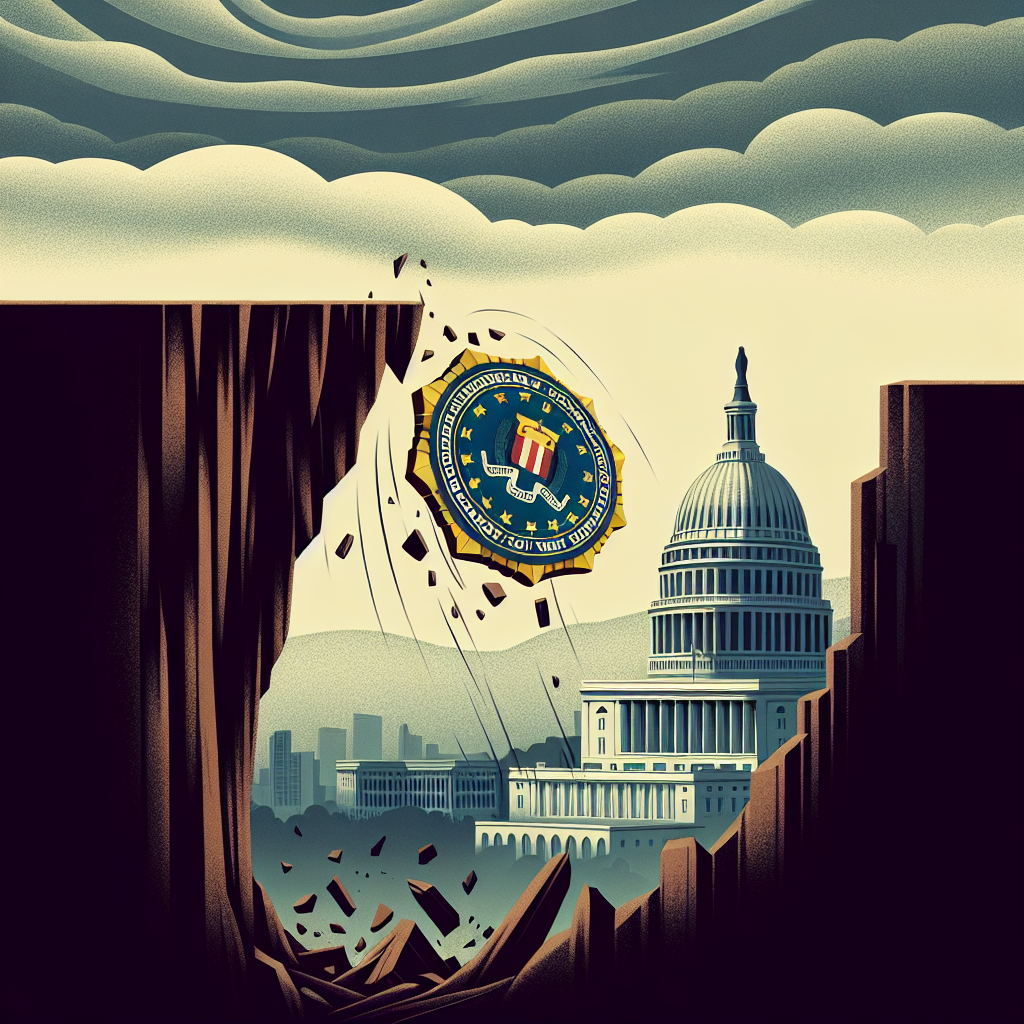
The Fall of James Comey: A Scandal That Shook the FBI and Politics
The career of James Comey, the former FBI director, has been marred by controversy, particularly surrounding the events that led to his abrupt dismissal in May 2017. This incident sparked a wave of debate across the political spectrum, leading to accusations of political interference and questions about the integrity of the FBI. In this comprehensive article, we will explore the intricate details of Comey’s ascent and subsequent fall, the impacts of his actions on the FBI and American politics, and the ongoing repercussions that echo through 2025.
The Rise of James Comey and His Relevance to American Politics
James Comey’s path to prominence in American politics began with a remarkable legal career marked by significant positions in the United States government. He held notable positions, including Deputy Attorney General during the George W. Bush administration, gaining a reputation as a credible, principled figure capable of navigating the tumultuous waters of Washington. His appointment as FBI director in 2013 was viewed as a restoration of integrity to the bureau, vital following the scandals that affected the agency in previous years.
Comey’s tenure as FBI director was marked by several high-profile cases, including the investigation into Hillary Clinton’s use of a private email server. His public testimony and subsequent announcement regarding Clinton’s conduct in July 2016 placed him squarely in the political crosshairs. As the 2016 presidential election loomed, Comey’s actions and the timing of his announcements became a focal point for both the Democratic and Republican parties, setting the stage for the scandal that would ultimately lead to his downfall.
The Controversial Email Investigation and Its Fallout
The FBI’s investigation into Hillary Clinton’s emails was a game-changer that intricately tied Comey’s fate to political events. After a lengthy investigation, Comey announced in July 2016 that no charges would be recommended against Clinton, citing a lack of criminal intent. However, he also called her handling of classified materials “extremely careless”. This statement resonated deeply with Republican strategists and supporters, contributing to the narrative that the election was rigged in favor of Clinton, despite his efforts to remain apolitical.
The controversy intensified in late October 2016 when Comey informed Congress that the FBI had discovered new emails possibly relevant to the investigation, leading him to notify lawmakers just days before the election. This unexpected revelation threw the campaign into chaos, reopening wounds for Clinton and generating immense scrutiny on Comey himself. Critics argued that his actions could have swayed the election’s outcome, creating a perception of bias that would haunt both Comey and the FBI long after the polls closed.
The Political Backlash Following Comey’s Dismissal
On May 9, 2017, President Donald Trump fired James Comey, igniting a firestorm of controversy. This decision was cast against the backdrop of the ongoing investigation into Russian interference in the 2016 election, led by Special Counsel Robert Mueller. Trump’s explanation that Comey was terminated due to mishandling the Clinton email investigation raised eyebrows, fueling suspicions about the real motive behind the firing—namely, obstructing justice.
The fallout from Comey’s dismissal obliterated the notion of a non-partisan FBI. Many viewed the move as an egregious step toward politicizing a previously apolitical entity. The firing triggered a series of events leading to the appointment of Mueller and intensified scrutiny on the FBI, contributing to a broader erosion of trust in federal institutions. Comey himself became a central figure in the narrative that ensued, often appearing before Congress to testify about his interactions with Trump and the reasons for his dismissal.
The turbulence surrounding Comey’s firing led to a national conversation about authority and accountability in government. Calls for an independent investigation were amplified, and debates about Trump’s influence over federal law enforcement became a staple in political discourse, further polarizing an already fragmented electorate.
Comey’s Public Testimony and Its Impact on the FBI’s Image
After his dismissal, Comey took to the public stage, testifying before Congress in June 2017, where he laid out his perspective regarding his interactions with President Trump. His testimony depicted a troubling portrait of presidential interference in the FBI’s operations, suggesting that Trump had pressured him to drop the investigation into former National Security Advisor Michael Flynn. This dramatic revelation ratcheted up the stakes significantly, leading to more calls for impeachment and further dampening trust in the administration.
In 2018, Comey published a memoir titled “A Higher Loyalty,” where he elaborated on his experiences and decisions while serving as FBI director. The book gained significant attention and polarized readers along political lines. Supporters praised his commitment to principles and transparency, while critics accused him of self-aggrandizement and undermining the FBI’s reputation during his tenure.
Comey’s revelations and growing prominence as a public figure posed challenges for the FBI at large. The organization faced intense scrutiny from both sides of the aisle, leading to internal re-evaluations of protocols and public outreach strategies. Investigative reports detailing FBI agents’ text messages and biases only fueled the fire, igniting debates over whether the agency could effectively operate without falling prey to political biases.
The Legacy of James Comey and the Ongoing Scandal
The consequences of Comey’s fall from grace continue to reverberate through the political landscape and the FBI itself by 2025. Ongoing discussions surrounding the integrity of governmental institutions have led to calls for comprehensive reforms, ensuring that the FBI maintains independence from political influence. However, the political polarization intensified during these years has impeded meaningful legislative efforts, resulting in a landscape fraught with distrust.
Moreover, Comey’s legacy has been used in various ways by political factions, often as a symbol of the need for reform within governmental agencies. Political parties have seized upon his narrative to support their positions, whether in calling for accountability or championing the fight against corruption. Notably, Comey’s experiences have sparked a broader movement towards transparency and ethics, significantly influencing how future FBI directors operate within the political milieu.
As of 2025, discontent around Comey’s actions and the subsequent fallout remains a crucial talking point in political debates and discussions regarding election integrity and justice in America. The ramifications of Comey’s dismissal are frequently revisited during election seasons, illustrating how individual actions can shape long-term political narratives and public perceptions of foundational institutions.
Conclusion
The rise and fall of James Comey illustrate the complexities of navigating the intersecting worlds of law enforcement and politics in America. From his commendable work leading the FBI to the ignominious political battle following his dismissal, Comey has become a polarizing figure representing broader issues of accountability, transparency, and the delicate balance necessary for a functioning democracy. As of 2025, the legacy of his scandal remains deeply embedded in the cultural and political fabric of the United States, serving as a cautionary tale for those in power regarding the far-reaching consequences of their actions.
FAQs
What were the main controversies surrounding James Comey’s leadership?
Comey’s leadership raised significant controversy regarding the FBI’s investigation into Hillary Clinton’s emails and the political implications of his actions during the 2016 presidential election. His decision to notify Congress about the reopening of the investigation days before the election sparked accusations of bias and political interference.
How did Comey’s dismissal impact the FBI’s reputation?
Comey’s dismissal intensified scrutiny of the FBI, leading to allegations of politicization of the agency. The fallout contributed to ongoing debates about trust in federal institutions and led to calls for greater transparency and accountability within the FBI.
What is Comey’s current status in 2025?
As of 2025, James Comey continues to engage publicly through writing and media appearances, discussing the importance of ethics and integrity in government. His experiences have shaped ongoing conversations about the need for reforms in federal law enforcement agencies to prevent any similar misunderstandings in the future.