The Future of Baseball: Trends and Predictions for the Next Decade
The Future of Baseball: Trends and Predictions for the Next Decade
As we navigate through the world of sports in 2025, baseball continues to captivate audiences and evolve in ways that reflect broader societal changes and technological advancements. The future of baseball promises not only innovation in play but also a transformation in fan engagement, player performance, and the overall infrastructure of the game. This article delves into the trends and predictions for baseball over the next decade, focusing on technological integration, changing fan experiences, shifts in player dynamics, economic influences, and the growing role of data analytics.
The Evolution of Technology in Baseball
In recent years, technology has drastically transformed baseball, and this trend is only expected to accelerate. In 2025, Major League Baseball (MLB) teams are utilizing artificial intelligence and machine learning to analyze player performance and game strategies on an unprecedented scale. Advanced metrics and predictive analytics are now crucial in drafting decisions, scouting, and in-game adjustments. These technologies enable organizations to optimize their rosters and make real-time tactical decisions that may lead to more dynamic gameplay. Wearable technologies, such as smart jerseys and biometric sensors, track player’s vital signs and provide instantaneous feedback, enhancing training outcomes and injury prevention strategies.
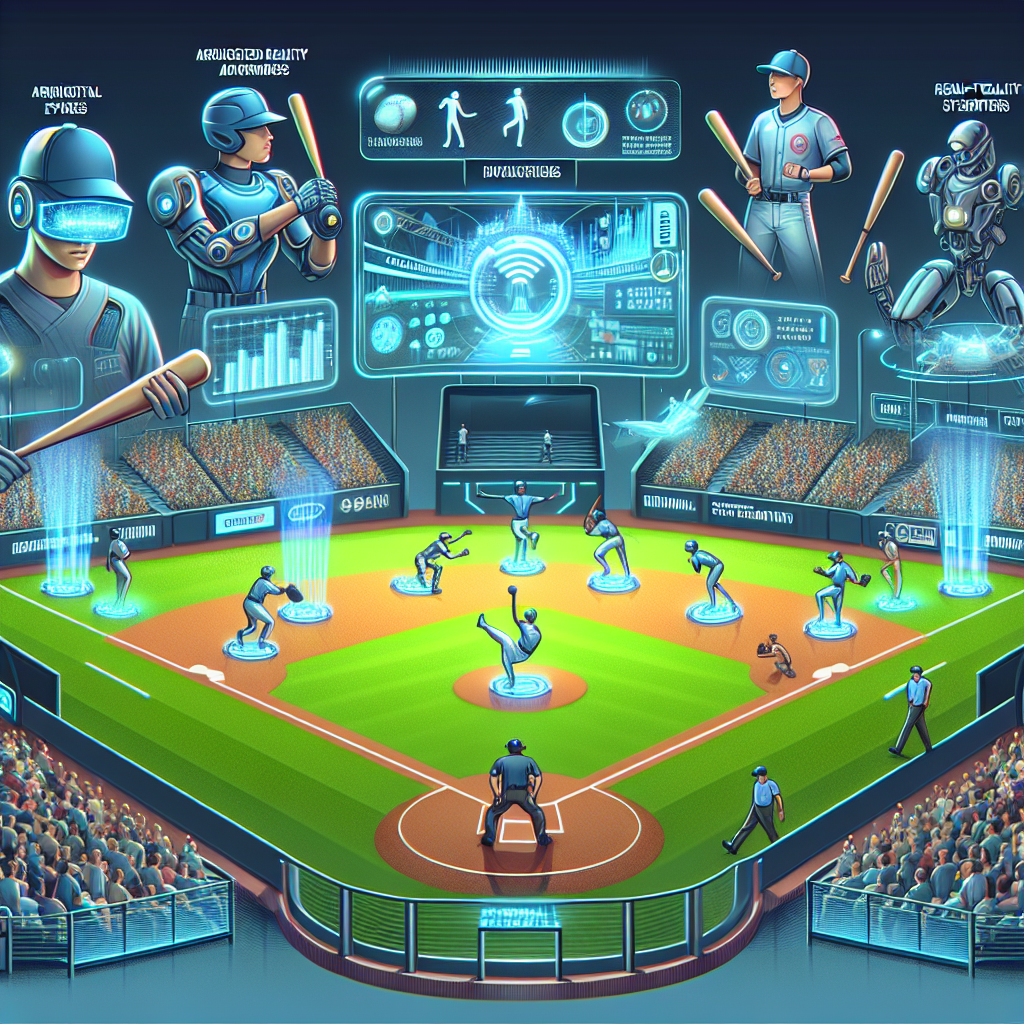
Moreover, virtual reality (VR) and augmented reality (AR) are paving the way for immersive fan experiences. As stadiums embrace augmented reality displays, fans can interact with stats, player backgrounds, and game highlights in real-time through their mobile devices. Virtual reality allows fans to experience games from the players’ perspectives, adding a new layer of engagement that was previously unimaginable. In the coming decade, the integration of virtual and augmented reality into broadcasting and online platforms will transform how fans watch and interact with baseball games, keeping them engaged and bringing new generations into the fold.
The Changing Landscape of Fan Engagement
As we progress into 2025, fan engagement in baseball is set to evolve dramatically, driven primarily by the integration of technology and social media platforms. Teams are increasingly focusing on creating unique experiences for fans, both in-stadium and online. This includes enhanced digital engagement through team apps, augmented reality experiences, and exclusive online content that fosters a community atmosphere amongst devoted supporters. Franchise social media accounts are growing more interactive, conducting live Q&A sessions with players, and providing behind-the-scenes looks that deepen the connection between fans and their teams.
Furthermore, with the rise of esports, baseball is exploring avenues to fuse traditional gameplay with competitive video gaming. As platforms like MLB The Show become a part of the mainstream sports culture, leagues are organizing tournaments where fans can compete alongside or against their favorite players. This blurring of lines between traditional sports and gaming not only attracts a younger audience but also encourages traditional sports fans to engage in gaming-related content, thus creating a hybrid fan engagement model.
Player Dynamics: New Age Athletes and Mental Health
As we look ahead to 2035, the paradigm of what constitutes an athlete is changing significantly. Modern players are becoming more aware of their personal health, mental well-being, and lifestyle choices. In 2025, it is common for teams to employ mental health professionals and wellness coaches, recognizing the importance of mental resilience in shaping performance. High-performance clinics are becoming more integrated with team training regimens, allowing players to seek help for mental health challenges without stigmatization. This shift not only supports athletes’ overall well-being but can also positively influence player retention and performance longevity.
Additionally, baseball’s approach to diversity and inclusion is evolving, thanks in part to grassroots movements and increased awareness of social issues. The league’s initiatives focus on developing programs for underrepresented groups, scouting international talent, and fostering a welcoming environment for all players. As organizations commit to meaningful policies around inclusion, the next decade could see a significant transformation in the demographics of MLB players, enriching the sport with diverse talent and perspectives.
Economic Influences on Baseball’s Future
In 2025, the economic landscape for baseball is being reshaped by various factors, including the impact of global markets and sponsorship deals. As baseball’s popularity continues to grow internationally, particularly in regions like Asia and Latin America, teams are leveraging global marketing strategies to attract investment and revenue. The increase in international games—expanded through the establishment of MLB academies overseas—facilitates expansion into previously untapped markets and boosts local economies. However, this development calls for careful handling of the sport’s cultural significance, ensuring respect for local traditions while promoting the game itself.
Additionally, the financial repercussions of the COVID-19 pandemic linger in the background, influencing team budgets and player contracts. By 2025, revenue-sharing models are under scrutiny to ensure franchise sustainability while maintaining competitive balance. Teams are adopting innovative business strategies to reduce expenditure while maximizing income through enhanced ticket pricing, premium seating, and unique in-stadium experiences. The economic viability of franchises will depend on their ability to adapt to changing economic climates while nurturing fan loyalty through meaningful engagement.
Data Analytics and Its Role in Shaping Strategy
The analytics revolution in baseball is set to continue over the next decade. As of 2025, organizations are equipped with a wealth of data that drives every aspect of player development, game preparation, and in-game strategy. With advancements in machine learning, teams can analyze performance data to predict outcomes and make informed decisions that were once based on intuition. This reliance on comprehensive analytics allows teams to find and develop talent in nontraditional ways, emphasizing a blend of both qualitative scouting and quantitative analysis.
Moreover, pitch tracking technology has advanced significantly and is now a cornerstone of baseball strategy. Systems like Statcast provide teams with intricate details about pitch movement, exit velocity, and launch angles, all of which directly factor into a player’s performance. This treasure trove of data encourages players to refine their techniques and adapt their styles according to insights gleaned from in-depth analysis, fundamentally changing the strategic fabric of the game.
Conclusion
The future of baseball is rooted in a blend of tradition and innovation, reflective of the broader societal changes we are witnessing. With advancements in technology transforming player performance and fan engagement, alongside a commitment to inclusivity and mental health, the landscape of baseball is poised for profound evolution over the next decade. Economic influences continue to shape team strategies and community relations, while data analytics provides a powerful tool for enhancing gameplay and decision-making. As we embrace these changes, the enduring spirit of baseball remains a unifying force that brings people together, ensuring that the game remains a cherished part of American culture and a global phenomenon.
FAQs Section
What technological advancements are shaping the future of baseball?
In 2025, advancements such as artificial intelligence, machine learning, and augmented reality are revolutionizing how teams analyze player performance, engage fans, and enhance game experiences. Wearable technologies also play a key role in monitoring players’ health and performance.
How is fan engagement changing in modern baseball?
Fan engagement is shifting towards more interactive experiences, facilitated by social media and mobile applications. Teams are creating unique in-app content while integrating elements from gaming to attract younger fans and foster community.
How are economic factors influencing baseball?
Economic factors such as globalization and revenue-sharing models are reshaping team finances. With increased investments from international markets and a focus on innovative business strategies, franchises are adapting to changing economic climates while fostering fan loyalty.
What role does mental health play in the lives of modern athletes?
Mental health is increasingly recognized as a vital component of athletic performance. Teams are now employing mental health professionals to support players’ well-being, understanding that mental toughness is crucial for success in the highly competitive environment of professional sports.
How is data analytics impacting the strategy of baseball teams?
Data analytics is transforming baseball strategy by providing teams with detailed insights about player performance and game conditions. This data-driven approach allows for precise decision-making, influencing everything from player development to in-game strategies.