The Impact of Sanctions on Global Trade Dynamics
The Impact of Sanctions on Global Trade Dynamics
Sanctions have become a focal point of international relations and trade dynamics, particularly in 2025, as geopolitical tensions continue to rise across the globe. These measures, often enforced by countries or international organizations, are designed to influence a target nation’s behavior, but they also reverberate through the intricate web of global trade. Understanding the impact of sanctions on global trade dynamics is crucial for policymakers, businesses, and economists alike. This article will explore the various dimensions of sanctions, their implications for international commerce, and the far-reaching effects that shape our economic landscape.
Understanding Economic Sanctions
Economic sanctions represent a significant form of economic statecraft utilized by countries to convey displeasure or to coerce changes in behavior from a target nation. These sanctions can take various forms, including trade barriers, asset freezes, and financial restrictions. In 2025, the global landscape has seen sanctions imposed on several nations, notably Russia, Iran, and North Korea, leading to a seismic shift in trade dynamics. The motives behind such sanctions often stem from issues related to national security, human rights violations, or non-compliance with international norms. The complexity of these sanctions often means that they can have both intended and unintended consequences.
The impact of sanctions on target countries can be immediate and severe. Sanctions typically restrict a nation’s ability to access international markets, limit the availability of essential goods, and impair economic growth. While these measures aim to pressure governments into compliance, they also often lead to significant collateral damage for the civilian population. As economies falter, inflation rates can skyrocket, leading to a humanitarian crisis that can further destabilize the region. Additionally, sanctions can drive targeted nations to form new trade alliances with non-sanctioning countries, leading to an evolution of global trade networks that may bypass traditional routes.
Shifting Trade Patterns Due to Sanctions
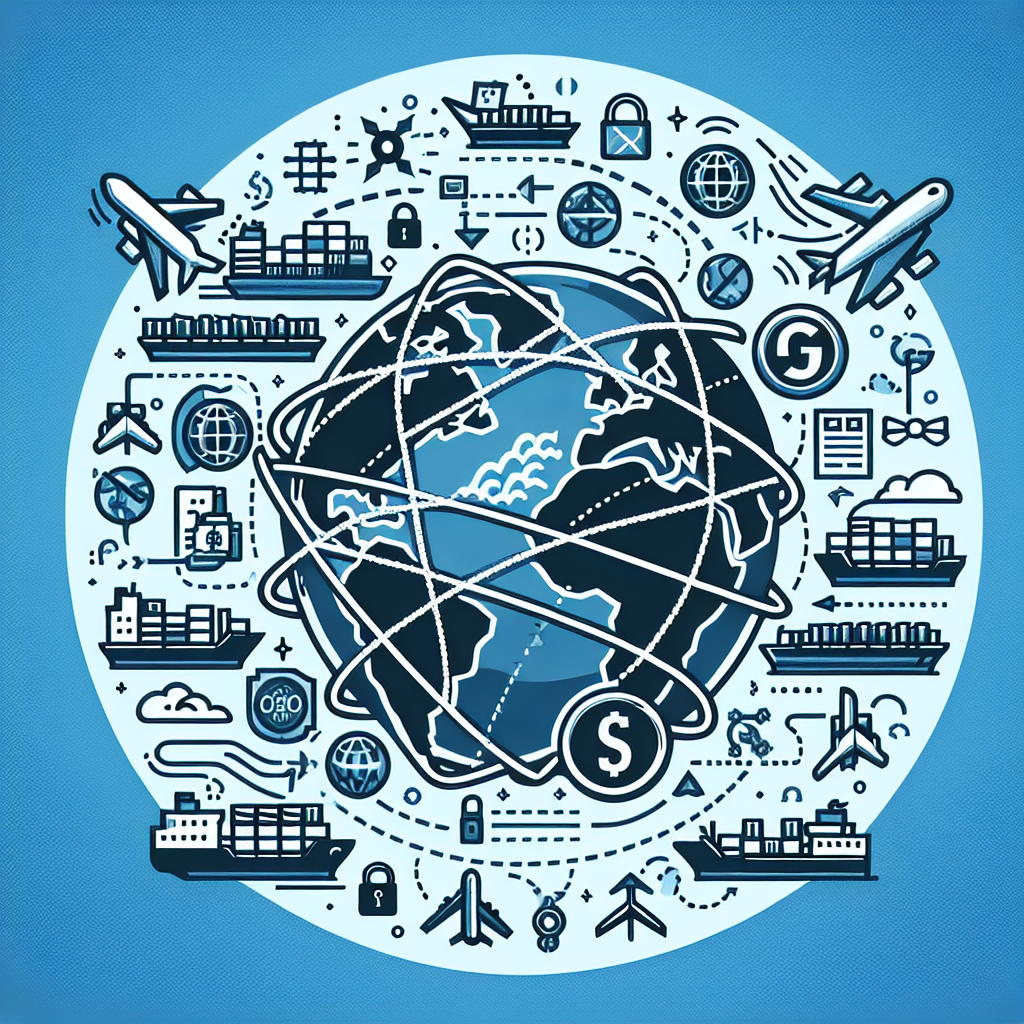
The implementation of sanctions can dramatically alter trade patterns, steering countries away from established trading partners and towards those who may offer a lifeline during periods of economic isolation. In 2025, we can observe this phenomenon clearly as countries like Russia have pivoted towards partnerships with China and India, two nations that have refrained from imposing stringent sanctions. This strategic realignment not only impacts the economies of the sanctioning countries but also reshapes the global trading landscape as new routes and arrangements emerge.
Moreover, the impacts extend beyond immediate trade relations to the design and sourcing of goods. Companies operating on a global scale must navigate a labyrinth of compliance issues, as sanctions can vary widely in their scope and application. Therefore, businesses often turn to alternative suppliers or markets that do not involve sanctioned entities, which can result in increased costs and a loss of efficiency. In response, some firms have adopted advanced compliance technologies and legal advisory services to navigate these turbulent waters and mitigate risks associated with sanctions.
Economic Consequences for Sanctioned Nations
The economic consequences of sanctions can be far-reaching and often detrimental to the targeted country’s economy. In 2025, countries facing significant sanctions have reported sharp declines in GDP, increased unemployment rates, and severe devaluation of their national currencies. For instance, the Russian economy saw a decrease of more than 4% GDP growth as key sectors, such as energy and finance, faced crippling restrictions from the West. This economic fatigue not only complicates the daily lives of citizens but can also lead to long-term structural changes in the economy, inhibiting future growth opportunities.
Furthermore, the informal economy may experience resurgence as citizens seek ways to circumvent formal restrictions. This shift can lead to an increase in black-market activities and unregulated trade, resulting in significant revenue losses for the government and exacerbating challenges in governance and law enforcement. The emergence of a robust informal economy can entrench corruption and organized crime, contributing to broader instability that undermines the initial goals of the sanctions.
Another often-overlooked consequence of sanctions is their impact on domestic political dynamics within the sanctioning nation. A sluggish or contracting economy due to sanctions can lead to nationalistic sentiments and social unrest. As citizens feel the strain of increased prices and scarcity of goods, governments may face pressures from within that could result in a recalibration of foreign policies or stronger internal conflict. The interplay between sanctions and domestic issues underscores the necessity of a well-thought-out strategic approach when imposing such measures.
Global Repercussions of Sanctions
The repercussions of sanctions extend beyond the borders of targeted nations, influencing global supply chains and international relations. As businesses strive to comply with sanctions, they often face disruptions that can alter conventional trade routes and partnerships. In 2025, countries like Turkey and various African nations have become critical alternative sources for goods traditionally supplied by sanctioned entities. This reconfiguration has led to a more heterogeneous global trade ecosystem, as nations adapt to new trading partnerships.
Moreover, global market volatility can increase as sanctions create unpredictability in supply and demand dynamics. For instance, restrictions on oil exports from Russia have led to elevated prices in global markets, impacting economies worldwide. Countries reliant on energy imports have faced significant economic pressures, prompting them to seek alternative energy sources and reevaluate their energy security policies. This shift may contribute to a longer-term transformation in global energy consumption patterns and energy independence strategies.
Additionally, the geopolitical climate tends to shift in response to sanctions, cultivating an environment of alignment between non-sanctioning governments. As strategic partnerships deepen, countries may form coalitions that challenge the existing global order. This realignment can lead to a multipolar world where nations collaborate on trade based on shared interests, creating further divides between those adhering to sanctions and those who do not. The long-term implications of such shifts have the potential to reshape the fabric of global governance and economic alliances.
Strategies for Resilience in Global Trade
To navigate the complexities imposed by sanctions, countries and businesses must adopt resilient strategies to minimize economic disruptions. In 2025, innovations such as blockchain technology are paving the way for increased transparency and compliance in trade logistics, allowing businesses to operate within legal frameworks while reducing the risk associated with sanctions compliance. Blockchain can provide secure and immutable trails of transactions and shipments, making it easier for businesses to demonstrate their adherence to laws while streamlining operations.
Additionally, companies are increasingly diversifying their supply chains to mitigate risks associated with individual markets. In an environment lit with geopolitical uncertainty, businesses are recognizing the importance of agility to respond and adapt to shifting landscapes. This proactive approach not only mitigates risks stemming from sanctions but also improves overall efficiency and resilience in global trade.
Finally, ongoing engagement with political and economic stakeholders is essential. Open channels of communication with governments, industry associations, and international regulatory bodies enable businesses to stay informed about changes to sanctions and understand the broader geopolitical context. Companies that strategically engage in dialogue can better influence legislative changes and foster cooperation, ultimately alleviating some of the challenges posed by sanctions.
Conclusion
In conclusion, the impact of sanctions on global trade dynamics is multifaceted, influencing economic patterns, political relationships, and the resilience of global supply chains. As countries wield sanctions as tools of statecraft, they must also consider the ripple effects that ensue—not just on target nations but on global commerce at large. By investing in technology, diversifying partnerships, and fostering engagement, nations and businesses can adapt to the complexities brought forth by sanctions and emerge with greater resilience in the fast-evolving global marketplace. Understanding these dynamics is essential for navigating an increasingly unpredictable world of international trade.
FAQs
What are economic sanctions?
Economic sanctions are restrictive measures imposed by countries or international organizations to influence or coerce a target nation into complying with specific policies or behaviors.
How do sanctions influence global trade dynamics?
Sanctions disrupt existing trade relationships, create new trading patterns, and can lead to economic hardship for targeted nations, impacting global supply chains and market stability.
What are the unintended consequences of sanctions?
Unintended consequences may include economic crises in sanctioned nations, surges in the informal economy, and deepened corruption, all of which can undermine the goals of imposed sanctions.
How do businesses adapt to sanctions?
Businesses adapt to sanctions through enhanced compliance mechanisms, diversifying supply chains, leveraging technology, and fostering strategic relationships with stakeholders.
Are sanctions effective in achieving their desired outcomes?
The effectiveness of sanctions can vary widely depending on the objectives and the context of the sanctions. While they can coerce change, they often lead to unintended hardships that complicate their effectiveness.